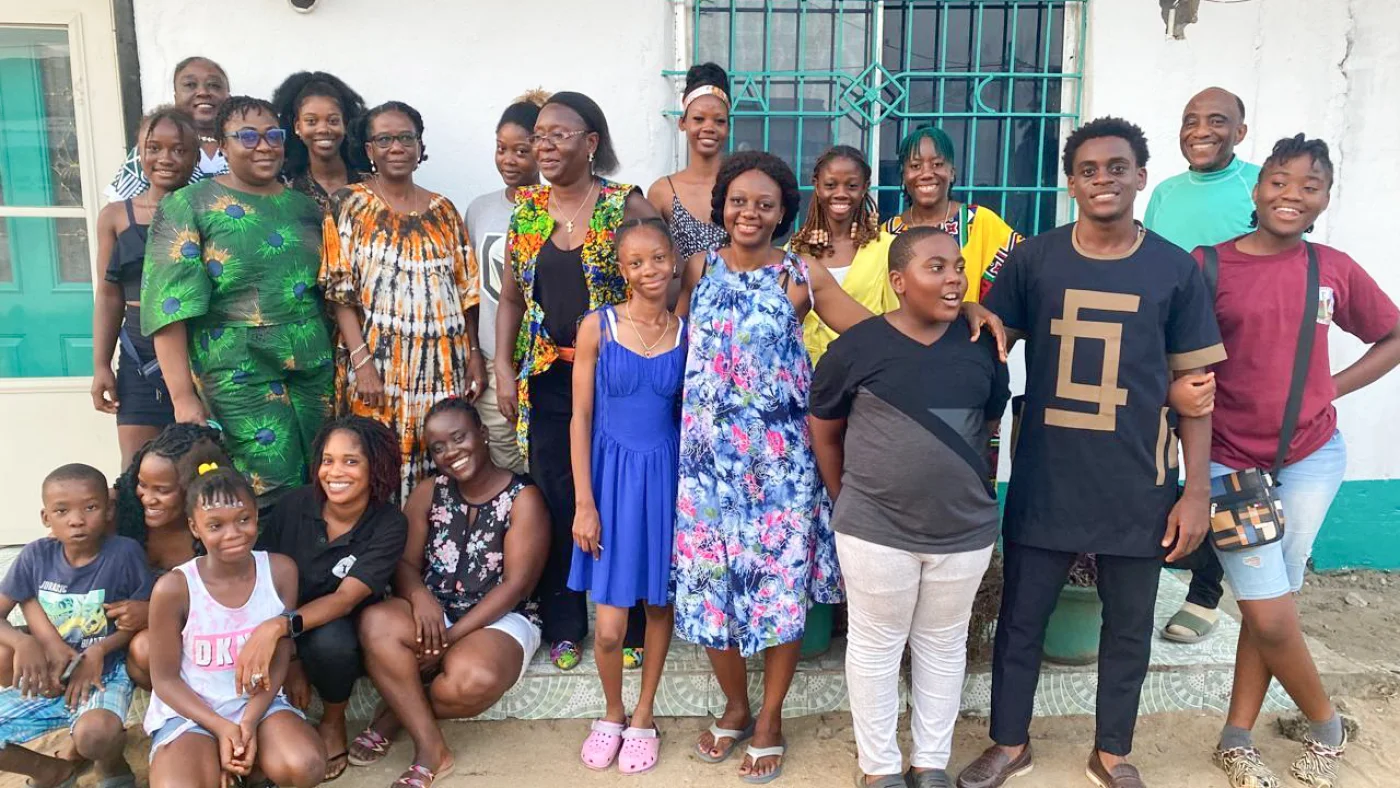
Liberians celebrate a national Thanksgiving holiday on the first Thursday of every November, a tradition rooted in the country’s 19th-century founding by Black Americans. The holiday serves as an occasion for religious services, large family gatherings, and community meals. While the core concept was brought to West Africa by settlers from the United States, the observance has changed over two centuries to incorporate local foods and commemorate Liberian sovereignty.
The American Colonization Society established the community that became Liberia in the first half of the 19th century. The first settlers were Black Americans, including both those born free and formerly enslaved people who had been emancipated. These settlers introduced the Thanksgiving tradition, which was later formalized by the Liberian legislature in 1883 following a period of territorial conflict with Great Britain.
In 1883, President Alfred Francis Russell, an Episcopalian priest, issued a call for prayer seeking divine protection against British incursions into Liberian territory. After the country maintained its sovereignty, the legislature officially established Thanksgiving as a national holiday focused on gratitude for freedom and protection. Yvonne Capehart Weah, a program manager at the We-Care Foundation, noted that the day emphasizes unity and the harvest in addition to national history.
Observances typically begin with morning religious services. While Weah noted her family starts at church, Sekou Muhammad Sheriff, a YouTuber who documents Liberian culture, stated that Muslims also observe the day with prayers at mosques. Following religious services, families often hold large outdoor meals. Traditional foods include jollof rice, tropical fruits like pineapple and watermelon, and various stews such as fufu and soup—a dish containing cassava, fish, chicken, okra, and chili peppers.
The holiday affects the national population of Liberia, a country founded by Black Americans whose departure from the United States was described by Weah as sometimes voluntary and sometimes forced. The observance serves as a bridge between the American origins of the nation's founders and the challenges faced by the West African republic. For citizens like Sheriff, the day has personal significance as a time for new clothing and specific cultural dishes, such as "king's meat" stews made with garden snails or sweet potato leaves.
The scale of the holiday is nationwide, impacting both Christian and Muslim communities across Liberia's various townships, such as Caldwell. Participants do not typically serve turkey, opting instead for varieties of chicken and local staples. The holiday also provides a moment for citizens to reflect on the country's recent history of civil conflict, which occurred during two periods between 1989 and 2003.
For residents, the day results in a pause in labor for a national holiday, marked by large communal gatherings that often move outdoors. The holiday remains a fixed point on the Liberian calendar, occurring every year on the first Thursday of November. The next observance will follow this established legislative schedule, continuing the tradition of combining religious gratitude with celebrations of national sovereignty and peace.