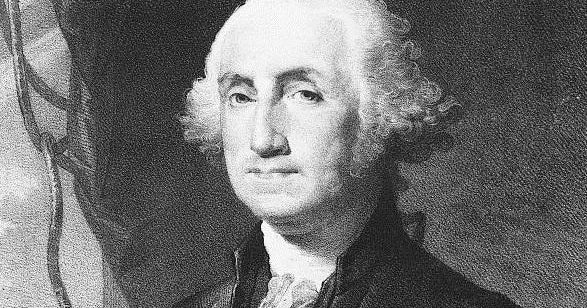
A lock of hair belonging to George Washington was sold at auction on a Saturday for $4,000. South Carolina-based Richmond Auctions conducted the sale, which featured the framed hair as part of a historical collection. The identity of the buyer was not disclosed by the auction house.
The lock of hair was previously owned by collector John K. Lattimer, who was a descendant of John Gadsby. Gadsby, a resident of Alexandria, Virginia, operated several hotels, including the City Hotel and Tavern where he hosted Washington's final two birthday celebrations in 1798 and 1799. A 1928 affidavit from Gadsby's granddaughter, Julia Ten Eyck McBlair, stated that Gadsby acquired the hair due to his friendship with Washington during the president's final days.
The artifact is presented in a gold-gilded wood frame measuring 9 inches by 2 1/2 inches with a glass window. The White House Historical Association noted that Gadsby, the original owner of the hair, also operated hotels in Baltimore and Washington, D.C., and was believed to have bought and sold enslaved people for his business operations, though records from the period are limited.
The sale of presidential artifacts affects private collectors and historical institutions by establishing market values for unique biological relics. While this specific lock sold for $4,000, other items associated with George Washington have commanded higher prices. For example, a 1780 letter regarding military commissions sold in 2024 for thousands of dollars, and a letter requesting the raising of the Continental Army sold for $109,000 in July. Another lock of Washington's hair, sold in February 2019 by the family of Alexander Hamilton, brought over $35,000 at a New Jersey-based auction house, Lelands.
The scale of these auctions involves thousands of dollars per transaction; the 2019 hair sample was approximately 5.31 inches long. For the general public, these sales highlight how personal items from founding figures transition from private family holdings into the broader marketplace. A person following these auctions would notice that historical provenance—such as an 1870 letter from Alexander Hamilton's son or a 1928 affidavit—is used to authenticate the items.
The effects of these sales include the continued documentation of the founders' personal lives and the businesses they frequented, such as Gadsby’s hotels. The auctions also bring attention to the historical context of the items' previous owners, including the White House Historical Association's research into the use of enslaved labor at the venues where Washington stayed. What happens next is determined by the individual buyers, who may choose to keep these artifacts in private collections or eventually donate or loan them to public museums. Specific dates for future auctions of Washington's belongings were not reported.