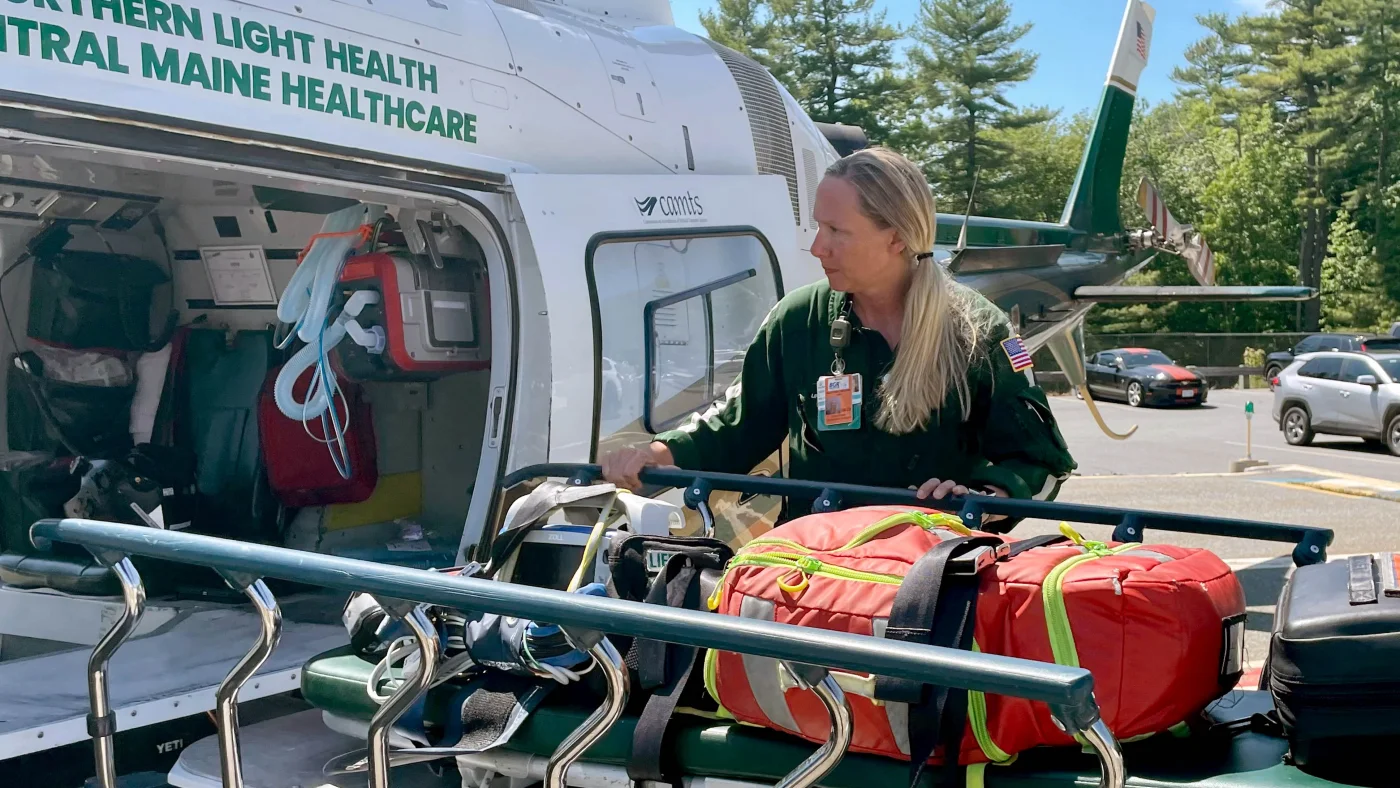
LifeFlight of Maine, a nonprofit air ambulance service, has reached near-full staffing levels by implementing internal training and pay equity programs. The organization reported that demand for its services has increased significantly, with crews flying 3,031 flights in 2025. This volume represents a doubling of demand since 2015, with a further 10% increase reported so far this year.
The service operates as a medical backstop in a state where rural healthcare infrastructure is under pressure. Maine is facing a shortage of ground-based emergency medical services (EMS), exemplified by a recent incident in northern Maine where a patient died after 10 ambulance services failed to respond to a dispatch. Additionally, by the end of this year, Maine is expected to have lost 12 labor and delivery departments.
To address a historical retention rate of 60% to 70%, LifeFlight CEO Joe Kellner has implemented a "Critical Care Academy." The six- to eight-month orientation program uses simulations with "breathing, bleeding" mannequins to train clinicians in emergency procedures such as newborn resuscitation and burn care. The company also established a mentorship program to prepare potential recruits for the rigorous training requirements.
Further changes include pay adjustments and mental health resources. Kellner raised paramedic pay to match the compensation of flight nurses, a move he says is rare in the industry. The organization also hired a full-time mental health counselor to address the high rates of post-traumatic stress and anxiety common in the profession. According to Kellner, the cost of training a new staff member is approximately $100,000, making retention a financial priority.
The scale of this shift is reflected in the 3,031 flights conducted by LifeFlight in 2025, which averages to more than one flight every three hours. For the individuals involved, the cost of these services remains a significant factor; while LifeFlight is a nonprofit, for-profit air ambulances have a reputation for high charges, and some patients have reported bills exceeding $80,000 when not covered by insurance. The new staffing model at LifeFlight serves as a test case for whether higher pay and mental health support can stabilize a workforce where 25% of ground-based EMS workers typically leave the field annually.
The broader impact involves the continued viability of the rural emergency safety net. As more hospitals convert to outpatient-only facilities, the reliance on flight clinicians to perform interfacility transports—moving stabilized patients from small clinics to large hospitals—is expected to grow. What happens next depends on the continued implementation of these staffing programs and the results of federal budget decisions regarding Medicaid, which will influence how many rural facilities remain open in the coming years.