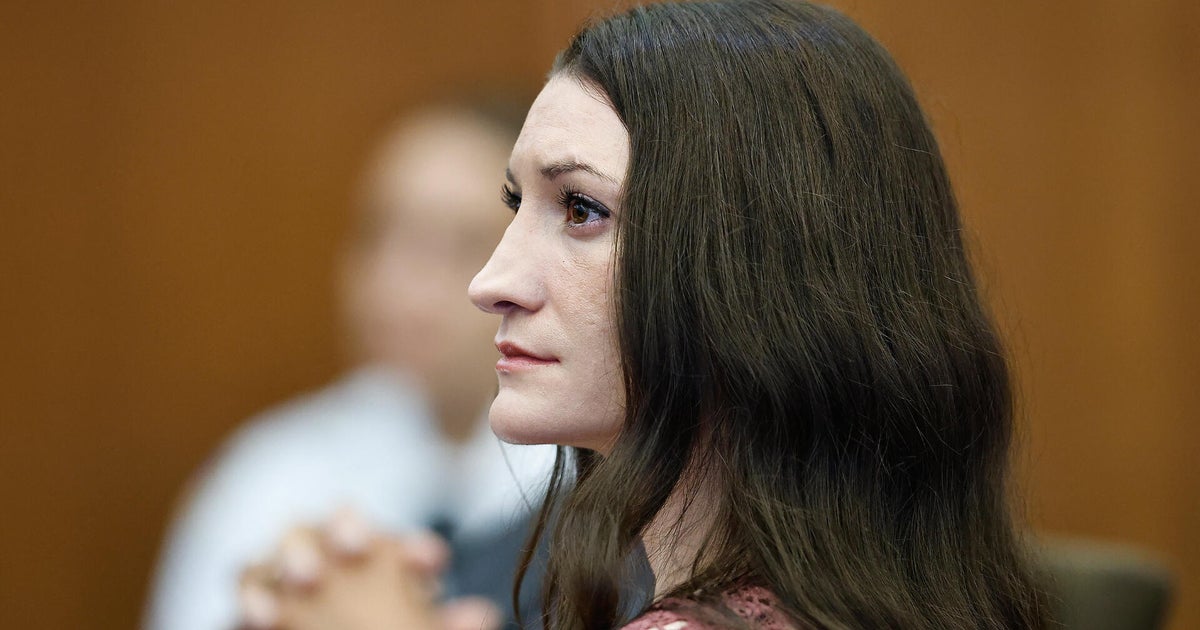
Prosecutors and defense attorneys are scheduled to appear in Plymouth Superior Court on Monday to determine the next steps in the case of Lindsay Clancy. The hearing follows a mistrial declared on Sept. 4 after a jury reached a deadlock regarding charges that Clancy killed her three children.
The case originated from the Jan. 24, 2023, deaths of 5-year-old Cora, 3-year-old Dawson, and 8-month-old Callan Clancy at their home in Duxbury, Massachusetts. During the initial trial, defense attorney Kevin Reddington acknowledged that Clancy killed the children but argued she was not criminally responsible due to postpartum psychosis and overmedication. Prosecutors argued that Clancy understood her actions and planned the killings.
At the Monday hearing, prosecutors are expected to announce how they plan to proceed. Plymouth County District Attorney Tim Cruz has the option to seek a retrial on the original first-degree murder charges or pursue lesser charges such as second-degree murder or manslaughter. Judge William Sullivan, who is set to retire in June 2027, recently denied a motion to dismiss the murder charges during a Nov. 9 hearing.
Legal analyst Jennifer Roman noted that if prosecutors choose to seek lesser charges like second-degree murder or manslaughter, Clancy would have the option to plead guilty and avoid a trial entirely. However, her attorney has previously stated he would not accept a plea deal that involves jail time.
The outcome of this hearing carries weight for the extended Clancy family and the public, who have followed the case since the January 2023 deaths. A second trial would require selecting a new jury to evaluate evidence regarding mental health and criminal responsibility that previously resulted in a deadlocked panel.
If the case proceeds to a new trial on lesser charges, Clancy would have the legal right to choose between a jury trial or a bench trial, where a judge alone decides the verdict. The specific timeline for a new trial and the final list of charges are expected to be clarified during this court session. Following this hearing, the court will likely set new deadlines for the next phase of the legal process.