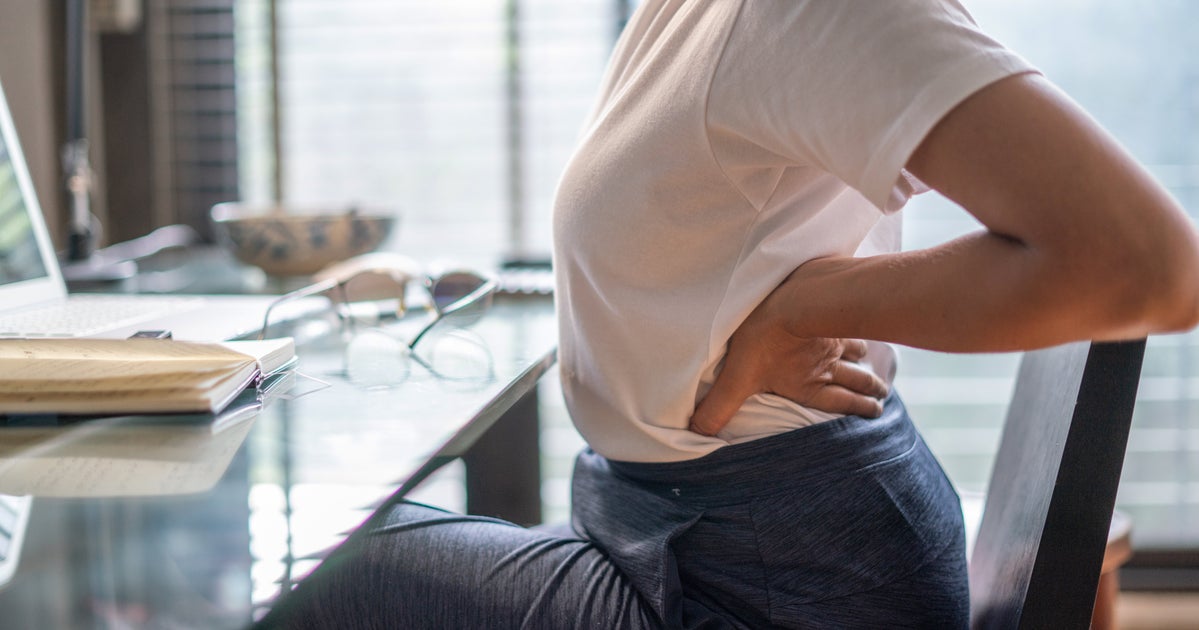
Medical experts are advising individuals with back pain to avoid a specific combination of physical movements known as "BLT"—bending, lifting, and twisting—to prevent serious spinal injury. Dr. Arthur Jenkins, a neurosurgeon for the New York Jets and the NFL Retired Players Program, stated that performing these three actions simultaneously significantly increases pressure in the spinal disk space.
The recommendation comes as an estimated 8% of American adults live with persistent or chronic back pain that interferes with daily life. According to the American Association of Neurological Surgeons, such movements can lead to a disk herniation, which occurs when the protective disks between vertebrae tear or rupture, putting pressure on spinal nerves. Jenkins noted that many people with back pain likely already have some level of disk damage, making them more susceptible to full herniation.
Common daily activities that trigger this combination of movements include shoveling wet snow, removing a child's car seat from a vehicle, and moving luggage. Dr. Meredith Warner, an orthopedic surgeon and founder of Well Theory, noted that while twisting is a natural human function, combining it with weight and bending can be problematic. She stated that up to 90% of Americans will experience back pain at some point, often as a chronic condition that fluctuates over time rather than resulting from a single injury.
For the average household, following these medical recommendations involves a change in how physical tasks are performed, such as using legs rather than the back for lifting and consciously engaging abdominal muscles to stabilize the spine. Dr. Jenkins recommended that individuals face loads directly rather than twisting toward them and use stabilizing techniques, such as placing one leg behind the body when picking items off the floor, to reduce spinal stress.
The knock-on effects of these movement changes include a greater reliance on physical therapy and core-strengthening exercises like planks and bridges to manage pain without surgical intervention. Dr. Warner indicated that strengthening adjacent muscles, such as the quadriceps and hips, can further reduce stress on the lumbar region. While most back pain can be managed through active rehabilitation, experts emphasize that individuals experiencing nerve compression from a herniated disk should seek immediate evaluation by a spine physician. No specific deadlines or effective dates were reported as this is ongoing medical guidance.