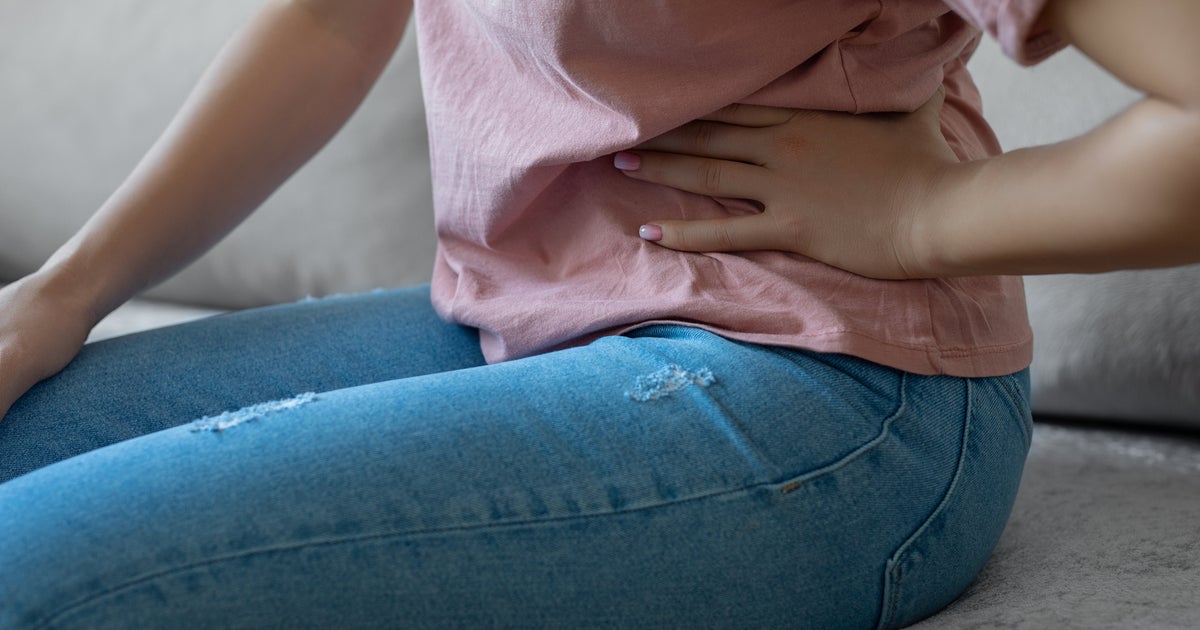
Dr. Derek Ochiai, a board-certified arthroscopic hip surgeon, stated that patients should not ignore hip pain that persists for more than two weeks. While hip issues are often associated with aging, Ochiai noted that specific conditions, such as labral tears, frequently affect younger populations. A 2023 study reported that between 22% and 55% of individuals experiencing hip pain have a labral tear, which affects the tissue holding the ball and socket joint together.
Medical professionals identify several indicators that hip pain may require professional evaluation. These include difficulty sitting in a car for 30 minutes, taking small steps to turn while walking, and experiencing pain during sitting, driving, or sexual activity. Dr. Rahul Shah, a board-certified orthopedic spine surgeon, added that difficulty standing on one leg, putting on socks, or clipping toenails are also common signs of a hip-related issue.
Diagnosis can be complicated because pain located on the side of the hip may originate from the hip joint, surrounding muscles, or adjacent areas like the lower back and sacroiliac (SI) joint. Ochiai suggested a self-test involving pulling each knee toward the chest while lying down; a significant difference in range of motion between the two sides may indicate an issue. To manage symptoms, he recommended strengthening glute and abdominal muscles, hamstring stretches, and bodyweight squats.
Delaying a medical evaluation for hip pain can lead to concrete changes in physical health, specifically the development of arthritis. Ochiai cited a Danish study showing that patients with hip impingement—a marker for labral tears—faced a risk of developing arthritis within 10 years that was 26 times higher than the general population. A separate 2023 study confirmed that labral tears increase the risk of osteoarthritis, a condition that can permanently alter a person's mobility and daily comfort.
Patients who address these issues may avoid the high costs and recovery time associated with major surgeries. For those currently suffering, practical adjustments like using cushions to avoid hyperflexing the hip or engaging in yoga and Pilates may provide immediate relief in the workplace or home. Medical experts emphasize that because hip and back health are linked, improving core strength can reduce the load on the hip joint, potentially delaying or preventing the progression of chronic conditions. No specific upcoming legislative deadlines or court dates were reported regarding these medical findings.