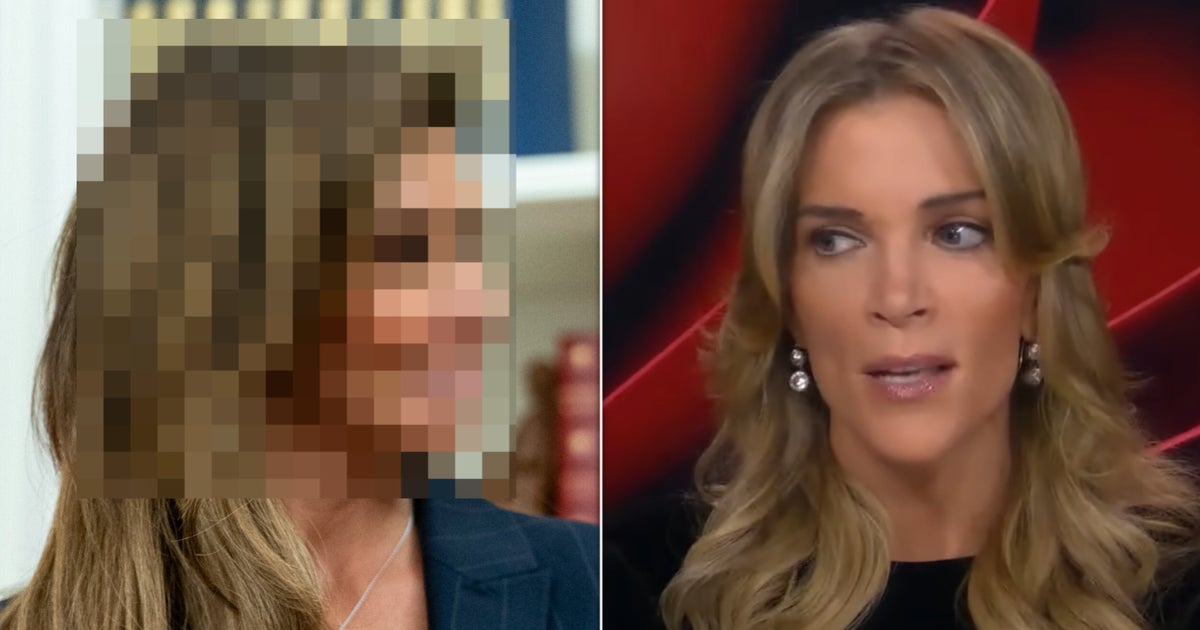
Podcast host Megyn Kelly stated on Wednesday, November 11, 2026, that attorney Alina Habba would likely face a congressional subpoena following reports regarding Habba's work for a Venezuelan billionaire. The comments followed a Tuesday report by The New York Times detailing a multi-million dollar contract Habba signed while serving as an adviser to the Justice Department and Donald Trump.
The reports center on Julio Herrera Velutini, a Venezuelan billionaire who faced U.S. bribery charges. According to The New York Times, Herrera Velutini’s daughter donated $3.5 million to a pro-Trump super PAC and formed a Florida-based company, Concord Partners, in late 2025. On January 1, Concord Partners hired Habba as general counsel under a contract guaranteed to pay more than $50 million over four years, including a $10 million annual salary and bonuses.
While Habba was employed by the firm, Donald Trump granted Herrera Velutini a full pardon for his bribery charges. The New York Times reported that Habba was still working for the Justice Department when the pardon was sought. Habba has denied having any role in the pardon process and declined to discuss her specific work for Concord Partners with the Times. A person close to Habba stated she plans to pursue legal action.
Kelly, a former attorney, described Habba on her podcast as a "grifter" and stated that not all upcoming congressional investigations would be "political witch hunts." Kelly asserted that Habba's financial arrangements and her proximity to the pardon would lead to her being one of the first individuals subpoenaed by the newly elected Democratic Congress. The New York Times also reported that Trump expressed anger upon learning of Habba’s contract last month, suggesting the payments should have been donated to his presidential library instead.
For the public and federal workers, the matter raises questions about the intersection of private legal representation and government advisory roles. A person in Habba's position would typically be subject to ethics rules governing conflicts of interest. If a congressional subpoena is issued, it would signal a formal investigation into whether private payments were linked to official government actions, such as the granting of executive pardons. This could lead to new legislative proposals regarding the transparency of legal fees paid to advisers of the President or the Justice Department.
The knock-on effects could include a broader review of the pardon process and the financial activities of super PACs. The precedent of a former government adviser receiving such high-value private contracts from individuals seeking executive clemency may prompt the Office of Government Ethics to issue new guidelines. What happens next depends on the new Congress, which Kelly indicated would pursue subpoenas. No specific hearing dates have been set, but Habba’s representatives have indicated they may pursue their own legal action regarding the matter.