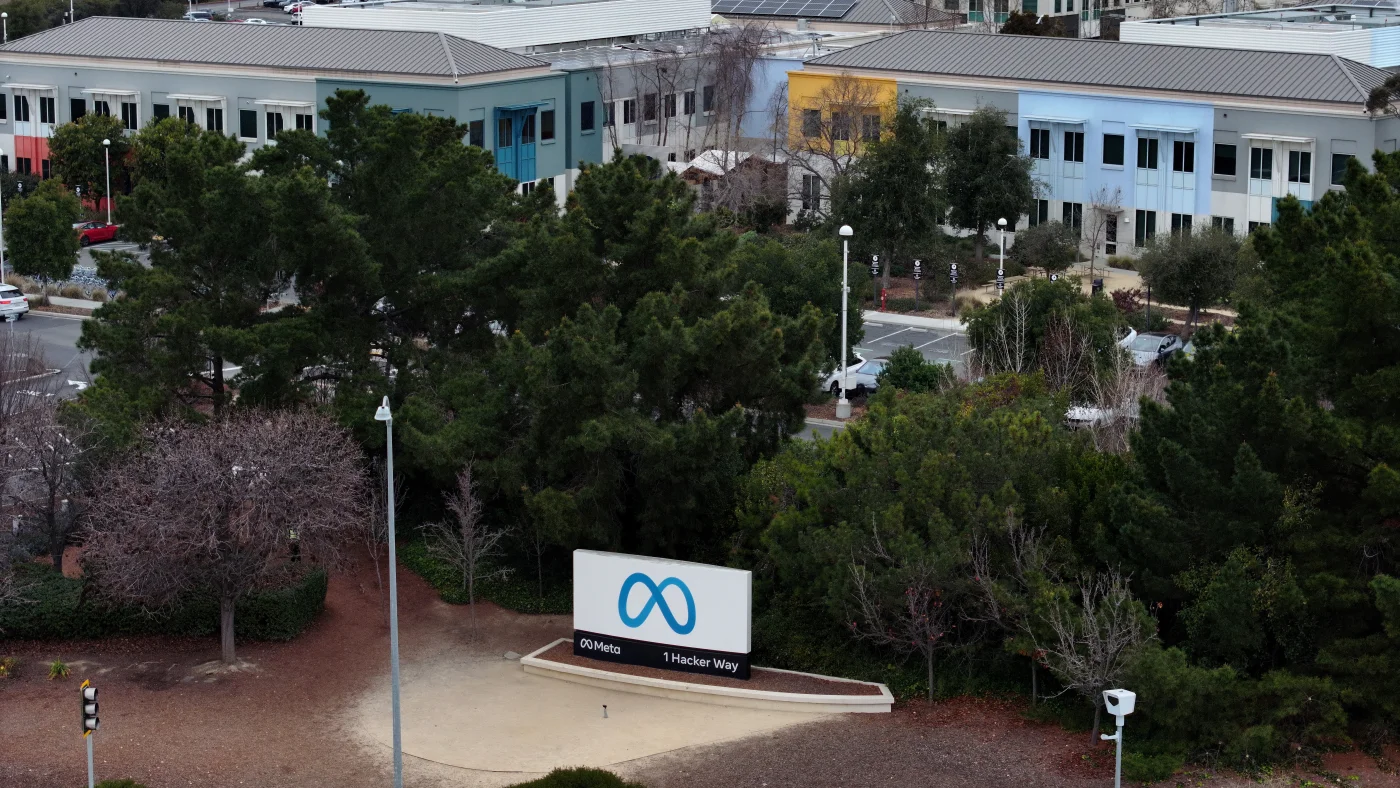
Internal documents from Meta show that the company developed an initiative called "Project Gryffindor" to increase Instagram usage among teenagers by establishing networks within U.S. schools. The program, which Meta publicly launched in 2025 as a "school partnership program," encourages students to display school banners on their profiles and provides a student directory to connect users from the same institution. Meta expanded the initiative in September 2026, reporting at the time that nearly 17,000 schools had signed up.
The documents, obtained through discovery in a multidistrict lawsuit against social media platforms, indicate that Meta viewed school integrations as a method for user acquisition. A 2024 presentation stated that the project sought to fuel "organic and unattributed acquisition" by embedding the platform into school communities. Another 2023 document suggested that school networks could provide "a new reason to join" for teens who were not yet active on the service. These internal discussions contrast with Meta's public statements, which characterized the program as a safety-focused tool to help educators report bullying and keep parents informed.
Meta spokesperson Liza Crenshaw said the program helps schools protect students and communicate about extracurricular activities, noting that the company reviewed over 90% of bullying reports from participating schools within 48 hours over the past year. However, online safety experts and cybersecurity investigators told NPR that the program could expose students to risks. Paul Raffile, a cybersecurity investigator, stated that directories and school badges could be exploited by scammers and "sextortionists"—individuals who pose as peers to blackmail victims with compromising photos. Raffile noted that identifying a victim's school is a standard part of scripts used by such criminals.
The secondary impact of these school-based networks involves the age demographics of social media users. Internal Meta documents suggest that acquiring teen users has a "knock-on effect" of attracting preteens, despite the platform's official minimum age requirement of 13. One document from the lawsuit noted that users who join as "tweens" (ages 10-12) exhibit the highest long-term retention. This strategy has drawn scrutiny from state attorneys general and school districts who allege the platforms are designed to be addictive. In August 2026, Meta agreed to a $17.1 billion settlement to resolve claims from dozens of states regarding child safety and compulsive use, though the company denied the legal allegations as part of that agreement.
What happens next depends on the outcome of ongoing litigation and regulatory oversight. Meta is currently appealing a verdict in a lawsuit brought by the New Mexico attorney general, where a jury found the company misled consumers about platform safety. Additionally, the International Society for Technology in Education (ISTE), which Meta previously cited as a partner in its 2026 expansion announcement, has clarified that its contract work for the project ended in 2025. Future developments may include further court rulings in the multidistrict litigation or changes to how third-party apps verify student identities for school-exclusive directories.