The government of Mexico filed a formal complaint against the United States on Friday following the launch of anonymous Drug Enforcement Administration (DEA) tip lines within Mexican borders. Mexican President Claudia Sheinbaum characterized the move as an act of interference, arguing that U.S. agencies should focus on internal corruption and drug trafficking within the United States.
The diplomatic friction follows a recent announcement by DEA Administrator Terry Cole, who introduced confidential channels on Signal, WhatsApp, and email for reporting criminal networks in Sinaloa. The DEA stated it intends to expand these services to include the state of Jalisco. This initiative coincides with ongoing U.S. pressure on Mexico to increase efforts against cartels, including a previous proposal to deploy U.S. troops on Mexican soil—an option Sheinbaum has rejected.
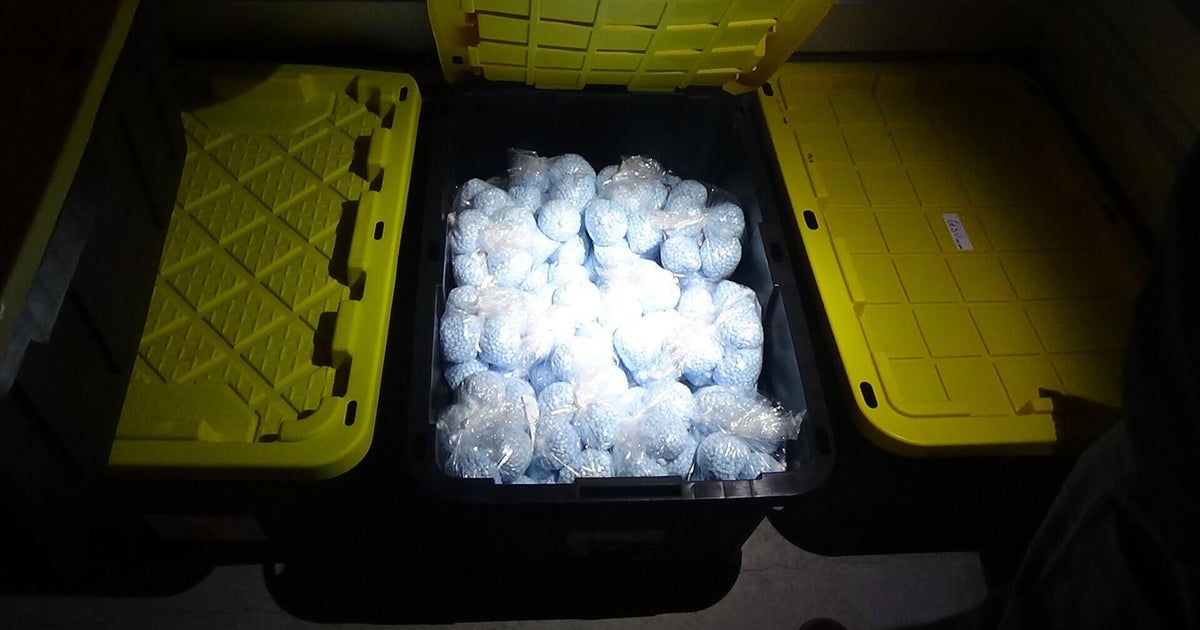
During a press conference on Thursday, Sheinbaum cited an Associated Press (AP) investigation that reported the DEA allowed approximately 1.4 million counterfeit fentanyl pills to enter U.S. markets unseized between August 2024 and April 2025. The AP report, based on court documents and surveillance footage, alleged that agents tracked a trafficking ring across six states without intervening to stop the flow of drugs. Sheinbaum compared the incident to the 2011 "Fast and Furious" gun-walking scandal, questioning U.S. domestic enforcement priorities.
The tension also involves recent law enforcement actions and legal disputes. On Nov. 20, Mexican forces captured Fausto Isidro Meza Flores, a high-ranking Sinaloa cartel ally, during an operation supported by a U.S. drone. While the U.S. has requested his extradition, Mexican Attorney General Ernestina Godoy stated he will be tried in Mexico. Additionally, a U.S. indictment against Sinaloa Governor Rubén Rocha Moya has caused strain, as Mexican authorities have declined U.S. requests for his arrest.
For residents in Mexican states like Sinaloa and Jalisco, the day-to-day impact involves localized violence. During the Nov. 20 capture of Meza Flores, 16 suspects and four soldiers were killed in clashes that led to improvised roadblocks and civilians fleeing gunfire. Small-business owners and residents in these regions face immediate safety risks when high-profile arrests occur, while those using the new DEA tip lines are relying on U.S. assurances that their identities will remain confidential through encrypted apps.
The disagreement sets a precedent regarding how much latitude U.S. federal agencies have to operate within the borders of a sovereign partner. If Mexico continues to view DEA initiatives as "subordination," future joint operations—like the drone surveillance used on Nov. 20—may be jeopardized. What happens next depends on the U.S. response to the formal complaint and the status of extradition requests for high-level suspects. The DEA has not yet issued a public response to Sheinbaum's specific allegations of interference.