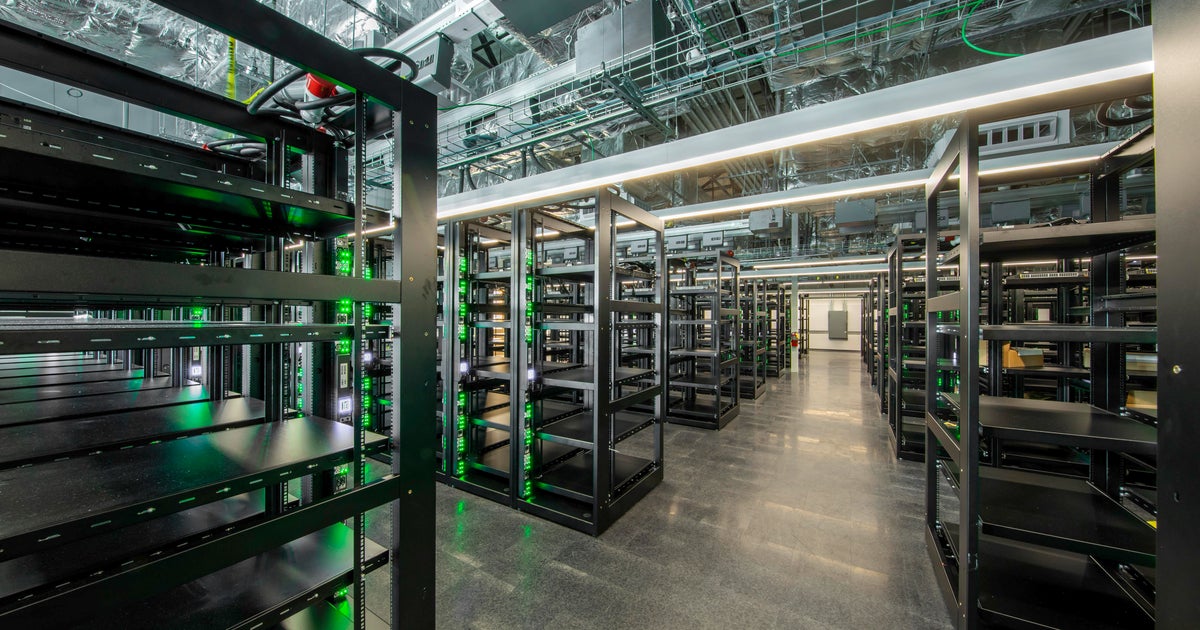
Microsoft is seeking to address public concern over the expansion of data centers as the industry faces political pushback following recent elections. Microsoft President Brad Smith stated that the company is committed to a "community first" approach, pledging to manage the environmental and economic impacts of the facilities that power artificial intelligence and digital services.
The outreach follows a period of heightened political attention on the industry. According to a CBS News exit poll, more than half of voters in recent midterm elections identified artificial intelligence and data centers as a significant factor in their voting decisions. In some districts, Democratic candidates who campaigned on stalling new data center construction won their races.
In Quincy, Washington, where Microsoft has operated its Columbia Data Center for 20 years, local officials reported mixed results. Mayor Paul Worley told CBS News that the facility created a local "boom," with tax revenue funding a new hospital and high school. However, the growth of approximately two dozen data centers in the area over two decades has required some residents to vacate their homes.
Electricity costs in the region have also changed during this period. The Grant County public utility reported that rates per kilowatt-hour rose by roughly 55% over the last 20 years. While this increase is lower than the Washington state average of 107% and the national average of 66% during the same timeframe, the rising cost of utilities remains a point of concern.
On a financial level, the industry's impact is measured by utility bills and infrastructure funding. In Quincy, the 55% rise in electricity rates over 20 years represents a slower increase than the 66% national trend, yet it remains a recurring monthly cost for every household. To mitigate further increases, Microsoft has pledged to pay for its own electricity and ensure its usage doesn't increase neighbors' rates. Smith also cited a goal to replenish more water into the community than the data centers consume.
The precedent set by Quincy’s 20-year history with Microsoft may influence how other local governments evaluate future proposals. Kenneth Gillingham, a professor at Yale, noted that communities should ask about specific technologies used for cooling and power generation before approving new sites. As the industry grows to meet AI demand, the next steps will involve local elected officials making final decisions. Microsoft's Smith stated that the company's role is to persuade the public, but the ultimate authority rests with the officials voters have put in office.