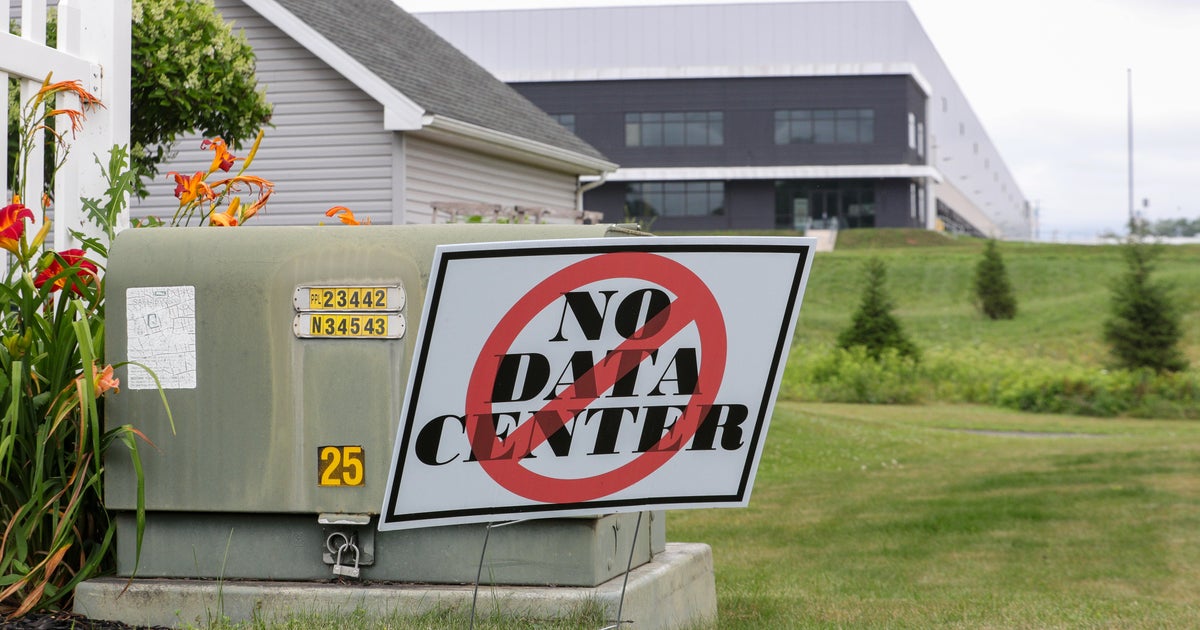
Democratic candidates who campaigned on restricting data center development won several gubernatorial and congressional races in Tuesday’s midterm elections. Analysts from firms including Yorkville Ives & Co. and Redbud Consulting reported that these results, alongside dozens of successful local ballot measures, are likely to slow the expansion of facilities used to power artificial intelligence. According to Redbud Consulting, voters approved 37 ballot measures restricting data centers as of Wednesday afternoon, while only one measure favorable to the industry passed.
The election results follow a period of rapid infrastructure growth. Real estate firm CBRE reported that 7,481 megawatts of data center capacity were under construction in eight major North American markets during the first half of 2026, a 25% increase from the previous year. However, tech analyst Dan Ives noted that tech companies must now adjust to a "new reality" that may involve slower rollout schedules and increased negotiations with skeptical policymakers.
In Texas, Democrat Gina Hinojosa defeated Republican incumbent Greg Abbott after proposing a temporary ban on data center construction. Analysts at GLJ Research stated this transition could stall 13 gigawatts of planned power capacity in the state. Similarly, Governor-elect Keisha Lance Bottoms in Georgia and Governor-elect Amy Acton in Ohio campaigned on pauses or moratoriums to evaluate the industry's impact on utility costs and the environment. Bottoms stated on Wednesday that she intends to sign an executive order for a construction pause and review existing tax incentives.
The election results affect large technology firms like Google, Amazon, and Microsoft, as well as residents in states like Texas, Georgia, and Ohio, which represent significant portions of the U.S. data center pipeline. Texas alone is projected to hold nearly 30% of U.S. data center capacity by 2028. While federal policy remains under the control of President Trump, analysts note that the new governors hold the authority to influence state-level permitting, water-use reporting, and tax breaks. For residents in these states, this shift could result in changes to local land use and potential impacts on household electricity bills, which critics have argued are driven up by the high energy demands of these facilities.
The scale of the impact involves hundreds of billions of dollars in planned infrastructure. Hyperscale technology companies were expected to reach up to $828 billion in capital expenditures for 2026. Market analysts from Bloomberg Intelligence and Raymond James indicated that while total spending might not collapse, the buildout will likely become more expensive and move to other jurisdictions. For example, IBM vice chairman Gary Cohn suggested developers might relocate projects to states like West Virginia, which has expressed interest in utilizing natural gas for "behind the meter" electrical generation to support data centers without straining the public grid.
Investors in specialized sectors are already seeing a change in market performance. Shares of companies providing power and cooling infrastructure, such as Eaton and Vertiv, fell on Wednesday, while shares of established "hyperscalers" like Microsoft and Alphabet rose. Analysts suggest this reflects a belief that existing data centers will become more valuable due to new scarcity. The next steps for the industry involve navigating the start of the new Democratic-controlled Congress in January and the implementation of state-level moratoriums. Specific deadlines for these pauses will depend on executive orders and potential legislative actions in the affected states.