Fleur Anderson, a Labour MP for Putney and member of the Foreign Affairs Select Committee, stated in an article published November 19, 2026, that the United Kingdom is at risk of failing to meet its 0.3% national income target for foreign aid. Anderson reported that due to higher-than-expected inflation, there is a £320 million shortfall in the current aid budget. She urged the government to fill this gap as the UK prepares to chair the G20 and G7 summits over the next two years.
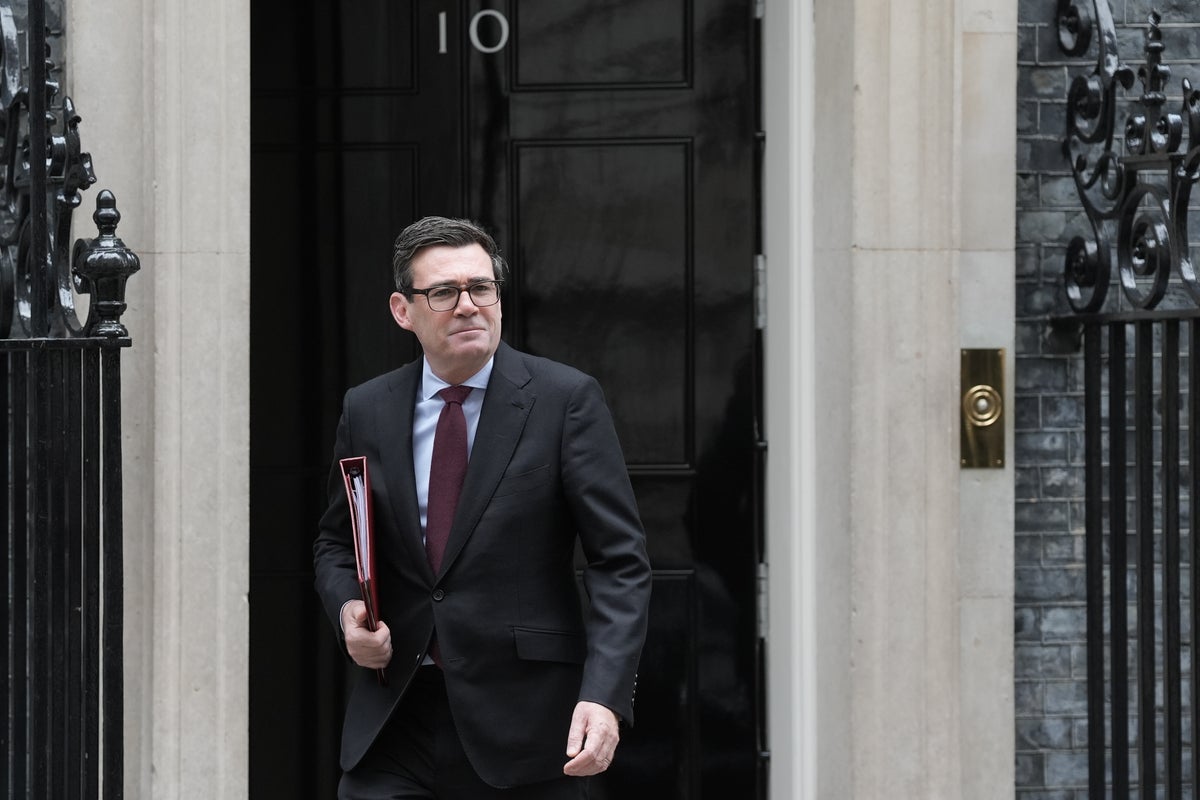
The current situation follows government commitments to spend 0.3% of national income on aid, a figure reduced from a previous 0.7% target. The Foreign Secretary and the Development Minister have indicated that development and climate would be central to foreign policy. During the Cop31 summit in Turkey, Andy Burnham pledged that the UK would prioritize debt and climate crises for developing nations, stating that the country would live up to its commitments.
Anderson detailed that the current budget trajectory would lead to bilateral aid being reduced to £5 million in 10 of the UK's 17 African partner countries. According to government assessments cited by Anderson, these reductions would result in the termination of all health programs in Sierra Leone and Malawi. Furthermore, a portion of the aid budget is currently being utilized within the UK to fund hotel accommodations for asylum seekers, which Anderson stated contributes to the lowest aid spending percentage in at least 35 years when those costs are excluded.
The scale of the reported shortfall is £320 million, a figure Anderson calculates is necessary to maintain the 0.3% spending floor. Without this adjustment, the actual percentage of national income spent on international development would drop below the government’s stated minimum. Anderson argues this affects the UK's standing as it lobbies international financial institutions, such as multilateral banks, for increased funding flow to poor nations and debt cancellation measures similar to those secured at the 2005 G8 summit.
The outcome of this budget decision will be visible during the UK's upcoming tenures as chair of the G20 and G7. While Anderson suggests that as costs for asylum seeker housing decrease, the money should return to international programs, no specific timeline for filling the £320 million hole was reported.