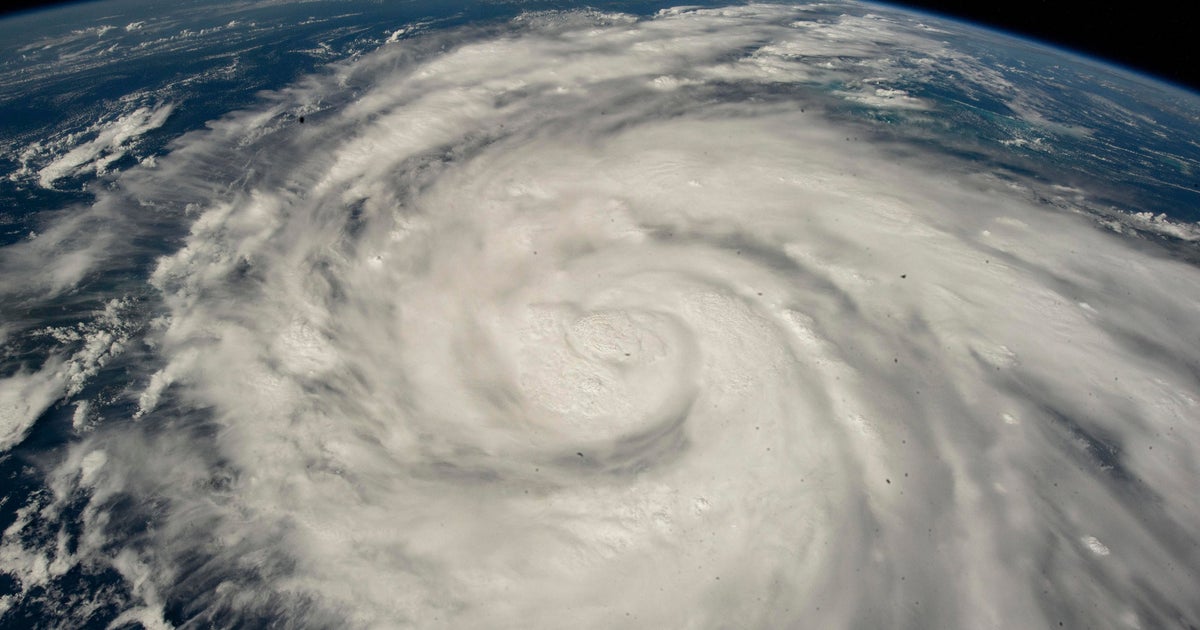
The National Hurricane Center uses the Saffir-Simpson Hurricane Wind Scale to categorize hurricanes from 1 to 5 based on their sustained wind speeds. This scale, which applies during the Atlantic hurricane season from June 1 to November 30, provides estimates for potential property damage ranging from "some damage" to "catastrophic." While all hurricanes are considered dangerous, the center designates categories 3, 4, and 5 as "major" hurricanes due to the risk of significant loss of life and property damage.
The 2026 Atlantic season has been reported as below average due to El Niño, a weather pattern involving warmer Pacific waters. However, the Pacific region has experienced stronger storms during this period. Notable examples include Hurricane Lowell, which caused flooding in Hawaii, and Hurricane Polo, which reached Category 5 status off the coast of Mexico.
Category 5 hurricanes, defined by sustained winds of 157 mph or higher, are expected to cause total roof failure and wall collapse in a high percentage of framed homes. Historical examples include Hurricane Andrew in 1992 and Hurricane Camille in 1969, the latter of which killed more than 250 people. Category 4 storms, such as Hurricane Harvey in 2017 and Hurricane Ida in 2021, typically cause severe structural damage and can leave areas uninhabitable for weeks or months.
Lower-category storms still result in significant utility and infrastructure disruptions. Category 3 storms, like 2005’s Hurricane Wilma, can snap trees and block roads, leaving electricity and water unavailable for days or weeks. Categories 1 and 2, while less intense, have historically caused widespread impact; Hurricane Sandy was a Category 1 storm when it flooded New York City in 2012, and Category 2 Hurricane Floyd caused extensive flooding across the U.S. East Coast in 1999.
The financial scale of these storms is substantial, with Hurricane Katrina causing more than $75 billion in damage and Hurricane Irma surpassing Hurricane Andrew as the costliest storm to hit Florida. For individual households, these ratings translate to specific physical risks: a Category 1 storm may only damage shingles and gutters, while a Category 3 storm is likely to remove roof decking. Understanding these distinctions helps residents decide when to evacuate and how to reinforce their property against winds that range from 74 mph at Category 1 to over 157 mph at Category 5.
The scale also influences long-term policy and scientific discussion regarding climate change. Experts noted that Hurricane Ian's rapid intensification in 2022 was linked to warm sea temperatures, which may increase the frequency and rainfall levels of future storms. While some scientists have discussed adding a Category 6 to the scale to account for increasingly extreme weather, the National Hurricane Center currently maintains the five-category limit. Residents in hurricane-prone areas are monitored by the National Oceanic and Atmospheric Administration (NOAA) throughout the season to track these developments.
What happens next: The Atlantic hurricane season will continue through November 30. Meteorologists are currently monitoring "super El Niño" conditions, which historically influence storm frequency and intensity in both the Atlantic and Pacific oceans. Researchers continue to evaluate whether the current 1-to-5 scale remains adequate for future weather patterns.