Representatives from various nations assembled in Turkey for the COP31 summit to address global climate goals established a decade ago. The primary objective discussed is the 1.5 degrees Celsius (2.7 degrees Fahrenheit) warming limit, a threshold that a recent United Nations study suggests is currently out of reach.
The global average temperature has already increased by nearly 1.5 degrees Celsius compared to pre-industrial levels. According to the United Nations, even if countries meet current pledges to transition to cleaner energy, the planet is on a trajectory toward 1.7 or 1.8 degrees Celsius of warming. If fossil fuel emissions continue at their current rate, researchers project a 2.8 degrees Celsius (5 degrees Fahrenheit) increase by the end of the century.
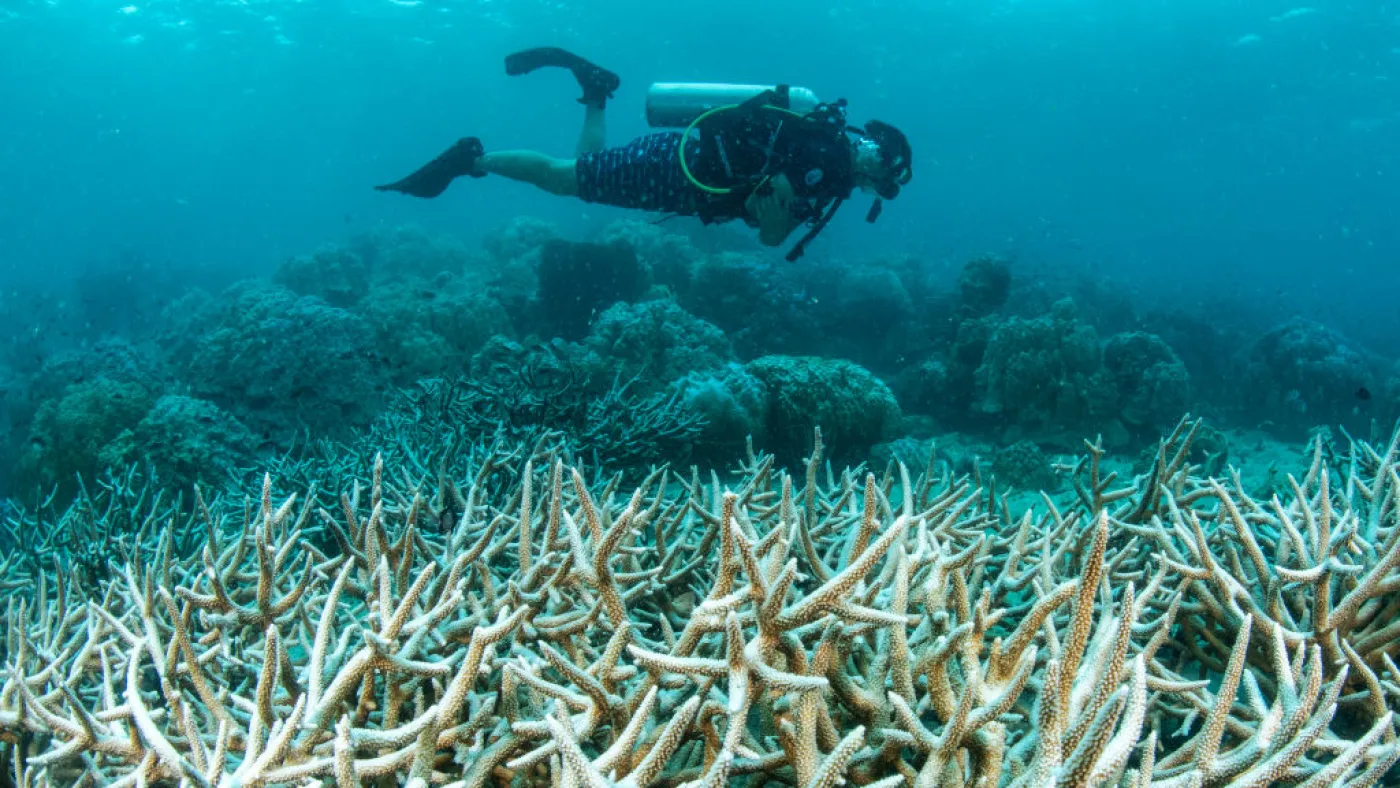
Scientific data indicates that coral reefs are among the most sensitive ecosystems to these temperature shifts. The Intergovernmental Panel on Climate Change (IPCC) reported that 99% of corals would be lost if warming exceeds 2 degrees Celsius. David Obura of CORDIO East Africa stated that at that level of warming, most corals would likely not survive in a way that sustains a functional reef ecosystem. Currently, 44% of coral species are considered at risk of extinction.
The scale of environmental change also affects household safety and infrastructure through intensified weather events. Warmer air holds 7% more water vapor for every degree of temperature increase, leading to heavier downpours and more intense rainstorms, a trend already observed across most of the United States. Furthermore, higher warming levels increase the likelihood of reaching "tipping points," such as the collapse of Antarctic glaciers, which would add significant water volumes to the oceans and raise global sea levels, affecting coastal residents and property values worldwide.
What happens next: At the current summit in Turkey, participating nations are focusing discussions on a new goal for electrification. This policy aims to transition more homes and vehicles to run on electricity rather than fossil fuels to leverage the growing share of wind and solar energy in the power grid. While major new commitments to cut emissions are not expected at this specific meeting, conservation groups are continuing efforts to restore corals, reduce water pollution, and breed heat-tolerant species to mitigate the effects of current warming trends.