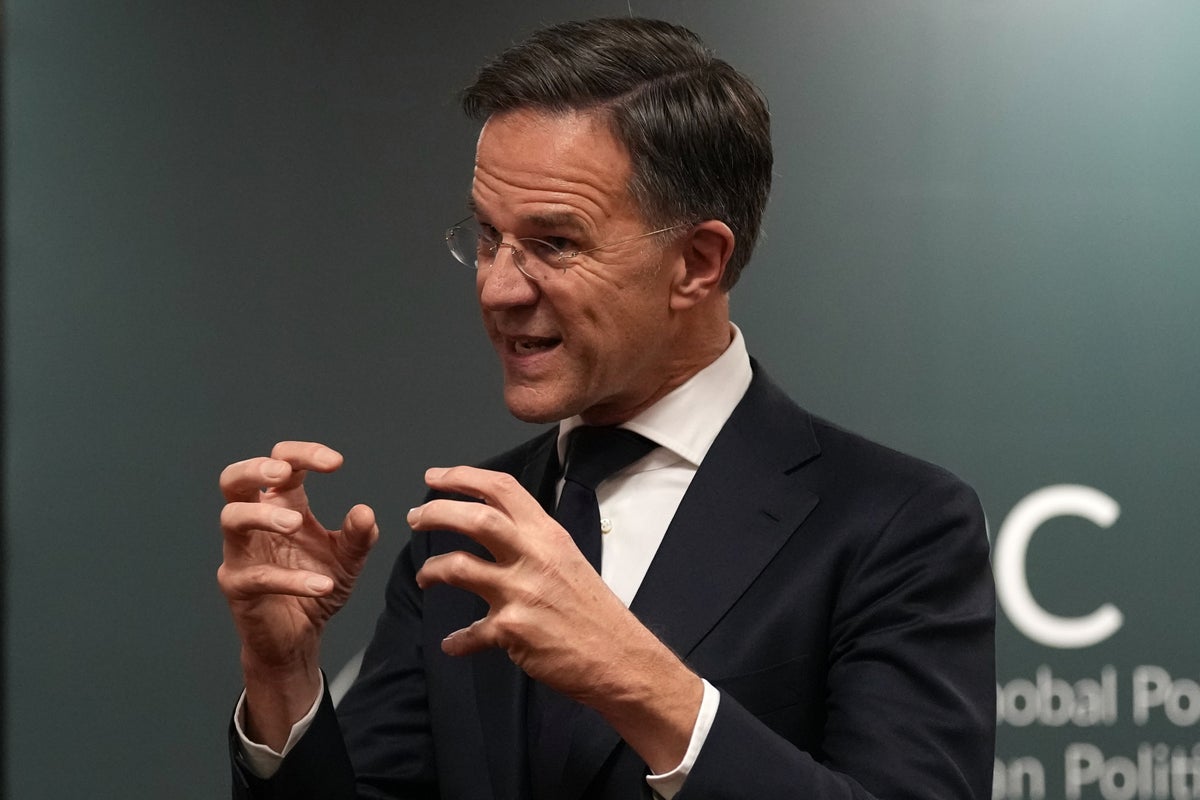
NATO is scaling back its high-level gatherings and will not hold a leaders' summit in Albania in 2027. Albanian Prime Minister Edi Rama stated on Thursday, November 12, 2026, that there is no common position on when the next summit will occur, though he noted that if one is held in 2028, the location would be Tirana. NATO Secretary-General Mark Rutte stated that the alliance has summits when needed and will hold the next one when a necessity arises.
The shift follows reports of tension within the 32-member alliance regarding defense spending, Iran, and the war in Ukraine. In addition to the Albania summit, NATO is reducing the frequency of ministerial meetings under a reorganization package. The defense ministers' meeting typically held in October was cancelled last month, with no meeting planned for October 2027. Foreign ministers, who usually meet twice a year, have only one session scheduled for 2027.
U.S. Defense Secretary Pete Hegseth and Secretary of State Marco Rubio have recently departed NATO meetings early or skipped them entirely. Hegseth has used gatherings to urge European allies and Canada to increase defense spending. While Albania was designated as the 2027 host in 2025, its name was omitted from a July summit declaration. Some allies expressed reluctance to host the event in Albania because they believe the country is not spending enough on defense. Albania is projected to spend 2.15% of its gross domestic product (GDP) this year.
The reduction in high-level meetings affects the diplomatic and security coordination of the 32 NATO member states and their Indo-Pacific partners like Japan and Australia. The alliance has set a target for members to reach 3.5% GDP spending on core defense by 2035. Spain, Belgium, and Slovenia currently spend less than Albania.
Hosting a summit carries financial and political costs. For example, the Netherlands required a year of preparation and a roughly $100 million investment for the 2025 summit in The Hague. In Turkey, the host of the 2026 summit, the government refurbished a military airport and mobilized tens of thousands of security personnel, resulting in a week of leave for non-essential public workers. These summits lead to local disruptions, including the temporary shutdown of parts of capital cities.
Former NATO official David Cattler noted that without specific objectives that merit a meeting of 32 leaders, the alliance could potentially go two or three years between summits. This change in schedule occurs amid ongoing debates over U.S. policy, including President Donald Trump's past discussions regarding Greenland and his requests for ally support regarding Iran. The alliance continues to monitor defense spending progress toward the 2035 goals, with any potential emergency meetings able to be held virtually, as was done in February 2022.