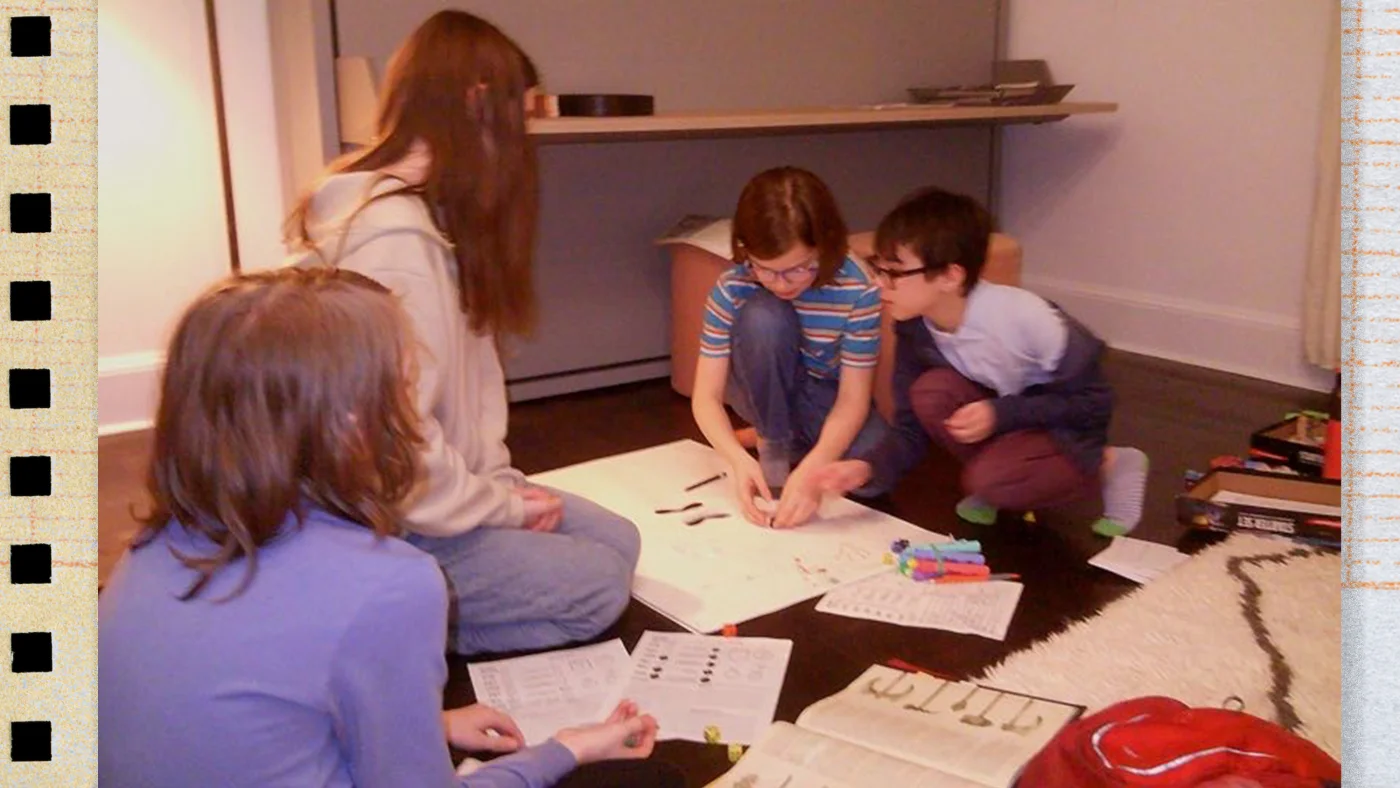
Parents in New York City are using the tabletop role-playing game Dungeons & Dragons to provide screen-free social activities for children aged nine to 12. The game, which first launched in 1974, is being utilized by a collective called Tweens Without Screens to encourage in-person communication and imaginative play without the use of digital devices.
The resurgence of the 50-year-old game follows its recent inclusion in popular media, such as the television series "Stranger Things" and a 2023 film. During the COVID-19 pandemic, interest in the game grew as people sought hobbies to fill periods of lockdown. While some parents in the late 1970s expressed concern that the game kept children indoors for extended periods, current participants in the Washington Heights collective describe it as an alternative to screen time.
In a recent session led by Dungeon Master Ted Fair, a group of four children—Rose Watson, 12, and nine-year-olds Leo Watson, Amos Slodounik, and Benjamin Cho—participated in a monthly meeting. The players used pencils, physical character sheets, and reference books to navigate a scenario involving a mysterious egg in a cave. According to the participants, the game relies on dice rolls and verbal collaboration rather than pre-programmed digital outcomes.
Rose Watson stated that the game functions by "painting a picture in your mind" and emphasizes friendship and jokes. Amos Slodounik noted that the role-playing aspect allows him to express himself in different ways, while Benjamin Cho said he enjoys the game because of the ability to invent items and creatures through drawing. The Tweens Without Screens collective also hosts other analog activities, including knitting clubs and urban hikes.
For the participating children, the concrete day-to-day change is a shift from digital entertainment to a hobby requiring physical tools like pencils, dice, and books. Instead of interacting through a screen, these students spend their scheduled sessions in direct face-to-face communication, collaborating on shared storytelling goals. Participants like Benjamin Cho notice a shift toward active creation, such as drawing and inventing game mechanics, rather than consuming pre-made digital content.
The knock-on effects of these sessions include the development of collaborative skills and in-person social bonds among the participants. By setting a precedent for organized, screen-free social clubs, the collective provides a model for other parents who are seeking to limit their children's digital consumption. The next steps for the Washington Heights group involve their regularly scheduled monthly meetings; however, specific dates for future sessions or deadlines for new members to join the Tweens Without Screens collective were not reported.