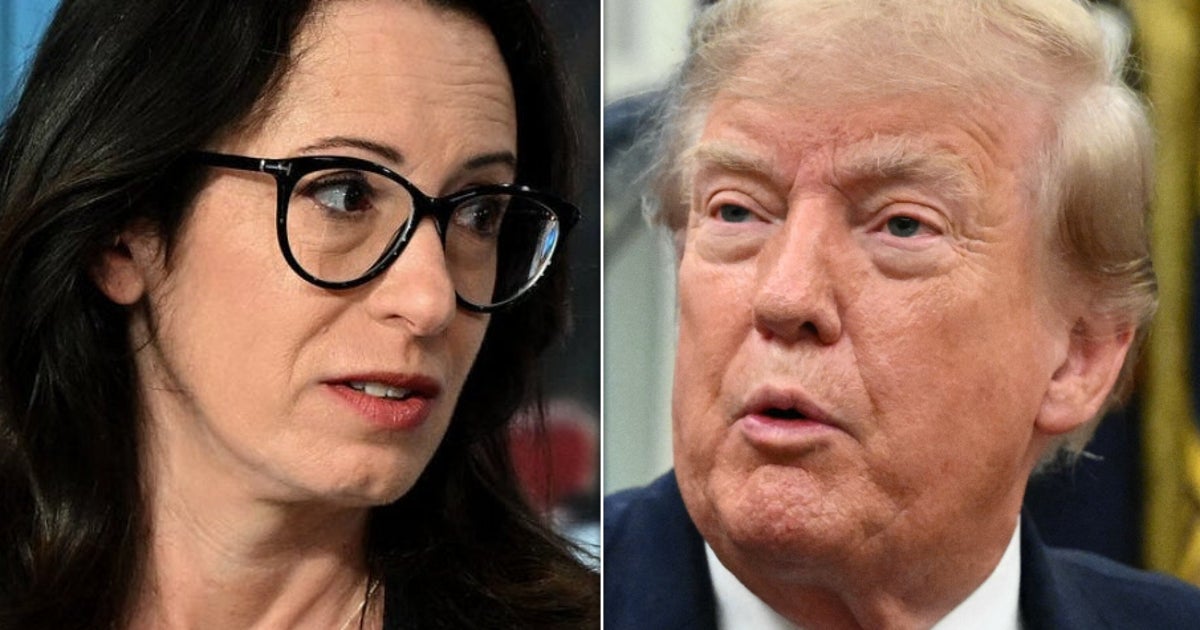
The New York Times issued a statement on Tuesday, Nov. 17, 2026, defending reporter Maggie Haberman following criticism from a White House spokesperson. The dispute began after Haberman commented on the professional relationship between President Donald Trump and his former chief of staff, Susie Wiles, during an appearance on a podcast hosted by Jessica Tarlov.
The disagreement follows a period of transition within the Trump administration. Susie Wiles, who was diagnosed with breast cancer in March and announced she was cancer-free in September, was replaced as chief of staff by Stephen Miller following the Republican Party’s performance in the 2026 midterm elections. During the podcast, Haberman stated that the president views illness as a "weakness" and suggested he "started picking on" Wiles because of her health status.
White House spokesperson Davis Ingle responded via a statement on the White House's rapid response account on X, formerly Twitter, claiming Haberman has a "creepy obsession" with the president and "clings onto him for relevance and to make money." The New York Times public relations department replied that Haberman is an "exemplary journalist" who has reported on Trump for 30 years. The newspaper characterized the White House statement as a "tired attempt to belittle a journalist for doing her job" in "retaliation for coverage the administration doesn’t like."
This public dispute between the executive branch and a major news organization affects the working relationship between federal press officials and the journalists assigned to cover them. The conflict involves a reporter whose work, according to the Times, reaches millions of Americans. For readers, these interactions shape the tone and accessibility of information regarding "vital decisions made by those in power," potentially impacting how presidential policy and personnel changes are explained to the public.
Specific groups affected by this friction include members of the White House press corps and administration staffers who manage communications. The source notes that the president has previously used personal labels such as "sleazebag" and "Maggot Haberman" to describe the reporter.
High-level staff changes in the White House, such as the replacement of Wiles with Miller, have effects on how policy is executed and how the administration interacts with the media and Congress. What happens next depends on the administration's ongoing press strategy. No specific upcoming court dates, votes, or deadlines related to this verbal exchange were reported.