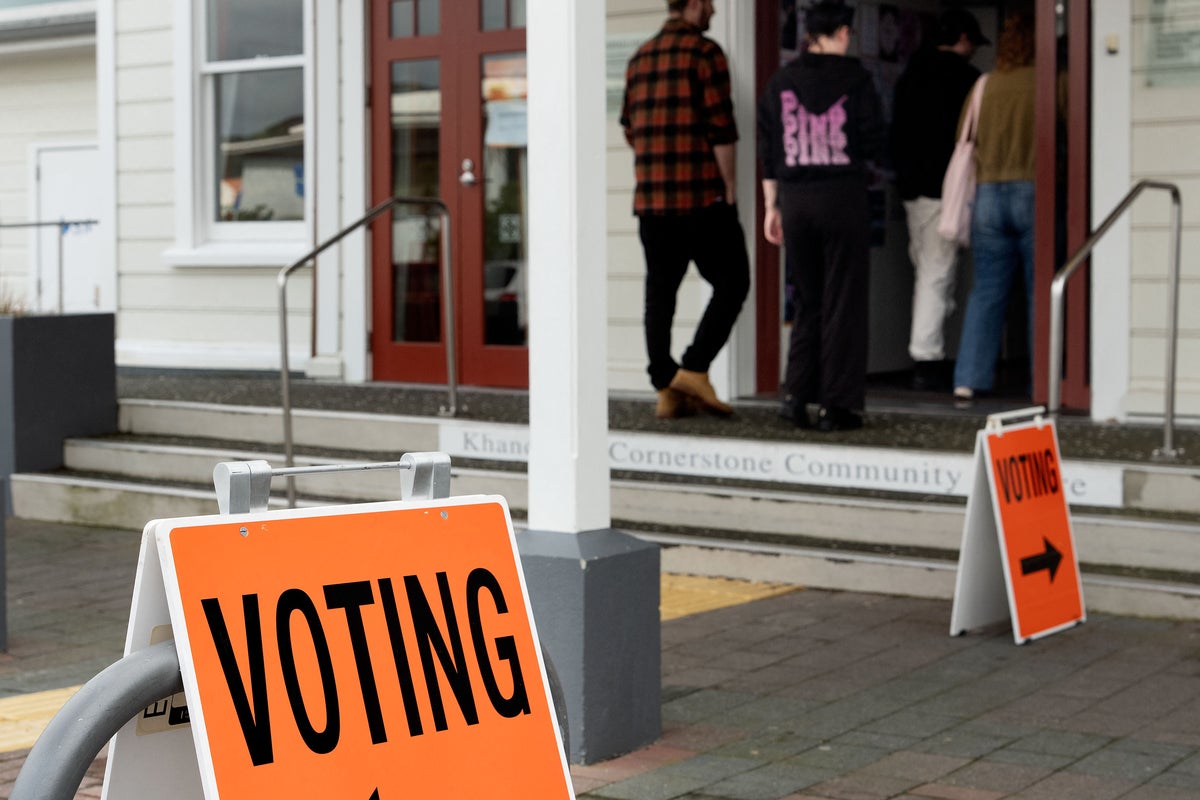
General election results in New Zealand have resulted in a deadlock between the governing National Party and the opposition Labour Party, with neither side securing a decisive victory. Following the conclusion of voting on Saturday, November 7, 2026, the Opportunity Party has emerged as a potential factor in determining which bloc will form the next government. Official final results, which include special and overseas ballots, are not expected until November 27, 2026.
The election followed a period of voter dissatisfaction with the two primary parties, influenced by a sluggish economy and aging infrastructure. Economic data from the third quarter showed unemployment rising to approximately 6 percent, the highest level in over a decade. Prime Minister Christopher Luxon of the National Party entered the election having faced two internal confidence votes earlier in the year and experiencing a decline in personal popularity ratings.
With more than 99 percent of ballots counted, the National Party received 29.21 percent of the preferred party vote, securing 42 seats. The Labour Party, led by Chris Hipkins, received 29.36 percent of the party vote but holds 36 seats. The Green Party secured 16 seats, while Te Pāti Māori won five. Under New Zealand’s current calculations, 66 seats are required for a majority in a 131-member parliament.
The conservative bloc led by Mr. Luxon currently holds 67 seats. The left-leaning bloc currently holds 57 seats, though this figure does not yet include special votes that historically favor the left. Even with an increase from those ballots, Mr. Hipkins would likely require the support of Qiulae Wong of the Opportunity Party to form a government. Before the election, Mr. Luxon stated he would not negotiate with Ms. Wong, though he declined to confirm that position when questioned on Sunday, November 8.
The deadlock affects New Zealand’s residents by delaying the formation of a government and the implementation of new policies for at least three weeks. The 6 percent unemployment rate—the highest in a decade—means many households are facing financial strain while political leaders remain in a holding pattern. Small-business owners and workers may see a lack of clarity in economic direction until the final seat count is confirmed on November 27.
The narrow margins mean that minor parties, such as the Greens, Te Pāti Māori, and the Opportunity Party, now hold significant leverage. For voters, this could result in a coalition government where minor party platforms receive greater priority than they would in a majority government. The final results could shift the balance of power if special votes, which include those from New Zealanders living abroad, flip closely contested local seats.
Government negotiations are expected to remain stalled until the official results are released on November 27. Mr. Luxon has called for a break from political activity during this three-week period, while Mr. Hipkins noted that it may take time to interpret the voters' message. Once the final seat allocations are confirmed, parties will begin formal talks to determine which bloc can command a majority in parliament.