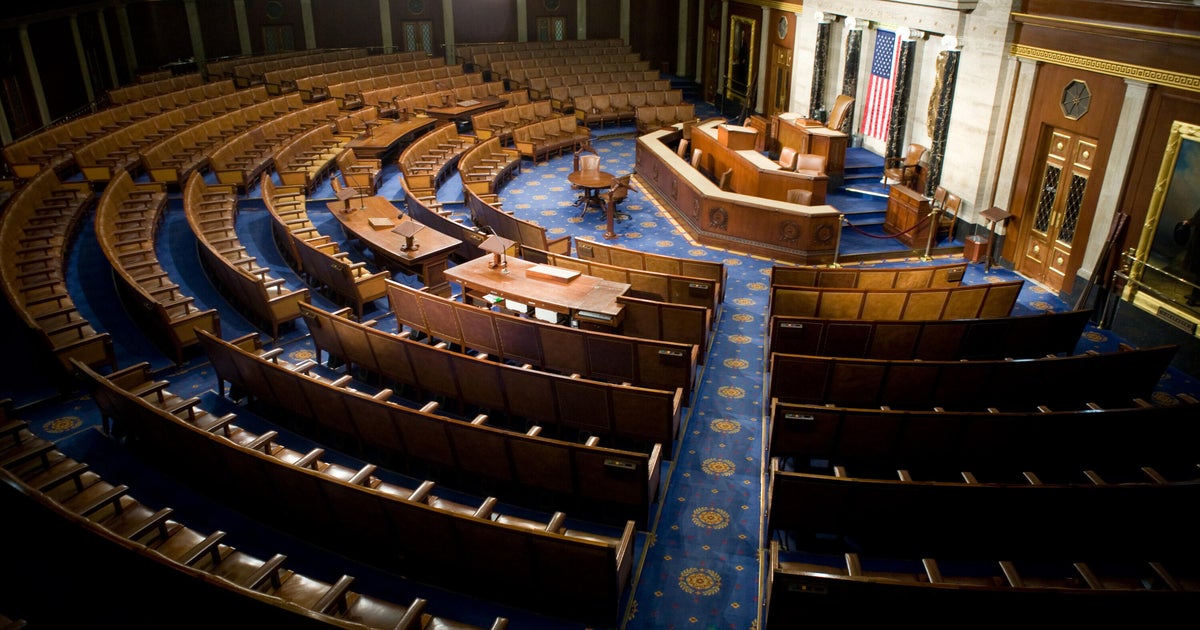
Newly elected members of the U.S. House of Representatives arrived in Washington for orientation on Sunday following a midterm election that resulted in Democrats winning control of both chambers of Congress. Representative-elects from both parties stated that addressing the cost of living for Americans is a primary objective for the upcoming session. Democratic members-elect also indicated they intend to conduct oversight and hold the administration of President Donald Trump accountable.
The shift in power occurred after Democrats flipped more than 36 Republican-held seats in regions ranging from the Northeast to South Texas. Consequently, several incoming Republican members expressed a need to collaborate with the new Democratic majority to address constituent needs. Rep.-elect Chris McGowan (R-IA) noted that because his party is now in a significant minority, Republicans must seek areas of shared interest with their Democratic colleagues.
Democratic Rep.-elect Scott Wiener (CA-11), who succeeds Nancy Pelosi, identified lowering the cost of living as the most important priority, while Connecticut Rep.-elect Luke Bronin (D-CT) called for legislative action on healthcare, housing, and electricity prices. Bronin also stated the American people want an end to government corruption. Rep.-elect Adrian Boafo (D-MD) emphasized the needs of federal workers, noting that thousands in his region have faced layoffs.
On the Republican side, Rep.-elect Charlie Hatcher (R-TN) identified diesel fuel prices as a top priority, citing the impact on farmers, transportation, and grocery costs. Rep.-elect Jon Bonck (R-TX) stated he is willing to work with Democrats on initiatives to deregulate industries, reduce government involvement in healthcare, and cut taxes. Meanwhile, the Congressional Progressive Caucus announced it is adding at least 25 new members, which Chair Greg Casar (D-TX) described as the group's largest incoming class.
The shift to a Democratic majority in both the House and Senate ends a period of unified Republican control, changing the legislative path for tax and social programs. Rep. Greg Casar (D-TX) indicated that the larger majority may allow Democrats to pursue policies that previously failed due to narrow margins, specifically naming the expansion of Social Security and the implementation of new taxes on billionaires. Conversely, Republican members like Rep.-elect Jon Bonck (R-TX) are proposing deregulation and tax cuts as their preferred method for returning money to households.
What happens next depends on the start of the new congressional session. Lawmakers arrived for orientation on Sunday, a process that precedes the official swearing-in of the new Congress. The Congressional Progressive Caucus has already begun setting its agenda, which Rep. Pramila Jayapal (D-WA) stated will include efforts to address government corruption, affordability, and the termination of "endless wars." Specific dates for floor votes on these priorities were not reported.