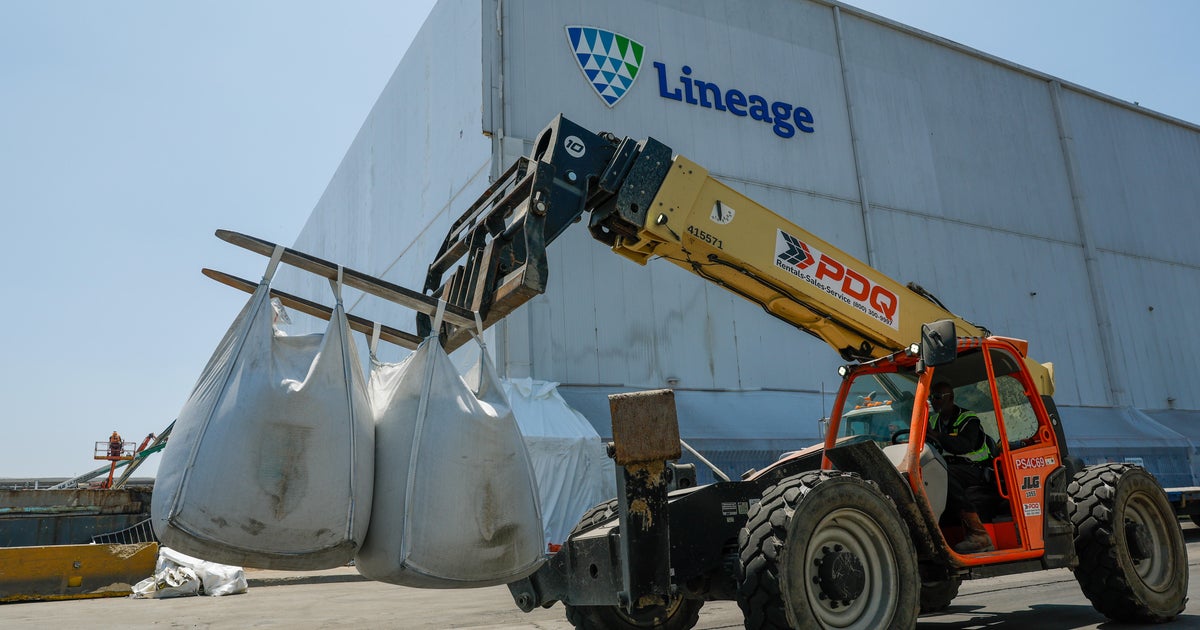
Nonprofit organizations have filed lawsuits against the Environmental Protection Agency (EPA) and the city of Los Angeles to obtain data regarding a warehouse fire that occurred five months ago. The group California Communities Against Toxics, along with Protect LA Now and East Yard Communities for Environmental Justice, are seeking public records including air quality monitoring, chemical plume modeling, and health impact data. The litigation follows a mid-June fire at the Lineage food storage warehouse in Boyle Heights that residents say caused persistent health issues.
The fire broke out in mid-June, and while an official cause remains undetermined, investigators believe it may have started during solar panel maintenance on the facility’s roof. Following the incident, the city provided air purifiers and financial assistance to local residents. However, community members report ongoing symptoms such as damaged lungs, eye irritation, and throat discomfort, leading to demands for transparency regarding potential chemical exposures.
In federal court filings, the EPA stated it is working to produce the requested records, and a judge recently granted the agency an additional month to respond. Meanwhile, the city of Los Angeles defended its handling of public records requests in a November 6 legal brief, asserting that the Los Angeles Fire Department (LAFD) has conducted searches and will disclose non-exempt records. The nonprofit groups are also seeking data on human exposure and how the fire department treated injuries resulting from the blaze.
The warehouse owner, Lineage, has sued solar company Altus Power and contractor Pearce Services for negligence. Altus Power's subsidiary described the allegations as an attempt to deflect blame. While the EPA noted it cannot comment on active litigation, the agency confirmed it sent a letter to the facility on August 3 to evaluate compliance with the Clean Air Act Risk Management Program. The EPA stated that monitoring responsibilities were turned over to local authorities once the LAFD determined there was no longer a hazardous materials threat.
The scale of the cleanup effort following the fire involved an average of 400 workers per day for 54 days, according to Lineage. However, the legal dispute over data transparency occurs against a backdrop of long-standing environmental concerns in the area. The Exide battery recycling site, located less than two miles away, still has 1,500 polluted properties awaiting cleanup nearly a decade after state efforts began. Since 2016, California has spent more than $700 million to remediate lead-contaminated soil at approximately 6,500 residential parcels and 7,800 parkways near the Exide plant, but residents note that high lead levels persist in homes outside that boundary.
The outcome of these lawsuits will determine when, or if, the public receives government-held surveillance data, including drone and infrared footage taken during the emergency response. Residents currently rely on city-provided air purifiers while waiting for full disclosure of the environmental impact. The EPA evaluation of the facility's compliance with federal law remains ongoing and is currently classified as enforcement confidential. Further court dates regarding the document releases are expected following the expiration of the EPA's one-month extension.