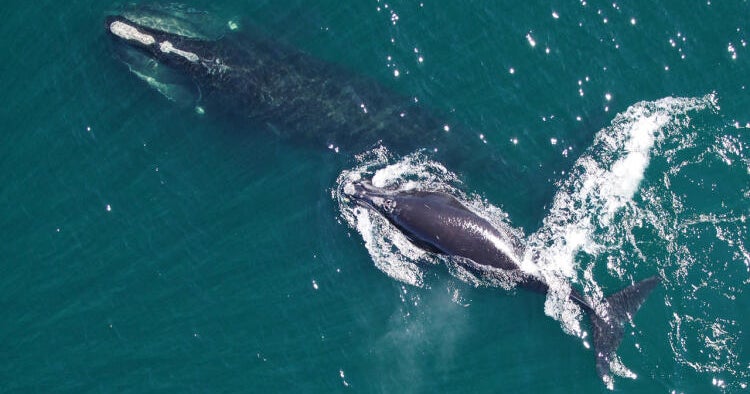
The population of the North Atlantic right whale decreased to 372 animals, according to an annual estimate released by a consortium of scientists on Monday. This figure represents a decline from the previous year's revised estimate of 384 whales. The drop follows a period where the population had shown a brief increase, including a rise reported in the prior annual cycle.
North Atlantic right whales were historically reduced by commercial whaling, a practice that largely concluded in the 1930s. Scientists report that the species now faces modern threats from entanglement in fishing gear and collisions with ships. Additionally, changing ocean temperatures have shifted the location of copepods—the tiny organisms the whales consume—leading the animals into areas lacking existing protections from maritime hazards.
The North Atlantic Right Whale Consortium noted that the population fell by approximately 25% between 2010 and 2020 due to a combination of low reproduction rates and high mortality. While more than 20 calves were born in the most recent calving season, the National Oceanic and Atmospheric Administration (NOAA) stated the last nine years have seen unusually high numbers of whale injuries and deaths. Currently, the population includes only 73 reproductive females.
For those in the commercial fishing and shipping industries, the population status directly influences the implementation of federal safeguards. A proposal passed by the U.S. House of Representatives seeks to delay new whale protections until 2035. Industry members have described these potential regulations as burdensome to their operations, while environmental groups like Oceana argue that immediate safeguards against ship strikes and gear entanglement are necessary to prevent extinction. The debate centers on balancing the economic interests of the fishing fleet against the biological requirements of a species that migrates from the southeastern U.S. to Canada.
What happens next depends on both legislative and biological factors. The House-passed proposal to delay protections must still navigate the legislative process. Meanwhile, scientists are monitoring the whales' migration from their winter calving grounds off the Carolinas, Florida, and Georgia to their spring and summer feeding grounds off New England and Canada. Future population estimates will determine whether the recent decline is a single-year fluctuation or the start of a new downward trend following the 25% loss observed in the previous decade.