Nvidia Chief Executive Officer Jensen Huang has resigned from his position following a company investigation into reports of extramarital affairs, the company's board announced. Colette Kress, the company’s chief financial officer, has been named interim CEO. The investigation began after allegations surfaced that Huang had an affair with a client whom U.S. intelligence officials identified as a recruit for China’s top spy agency. In an email to staff, Huang admitted to an affair and stated he would cooperate with the inquiry.
The resignation follows additional reports of a second affair between Huang and an Nvidia executive. Following these reports, Nvidia's share price declined on Wednesday. Huang, who maintained close ties to President Trump, was a central figure for the company, which produces chips used in artificial intelligence (AI) technology. Kress now faces the task of managing the company's long-term strategy and short-term fallout while demand for AI products remains high.
The situation has also prompted inquiries from federal lawmakers regarding national security and export controls. U.S. lawmakers from both parties are questioning Commerce Secretary Howard Lutnick about when he became aware of Huang’s contact with a suspected Chinese asset. The Department of Commerce, which oversees imports and exports, is facing questions regarding whether the U.S. should have implemented stricter restrictions on the export of Nvidia's chips.
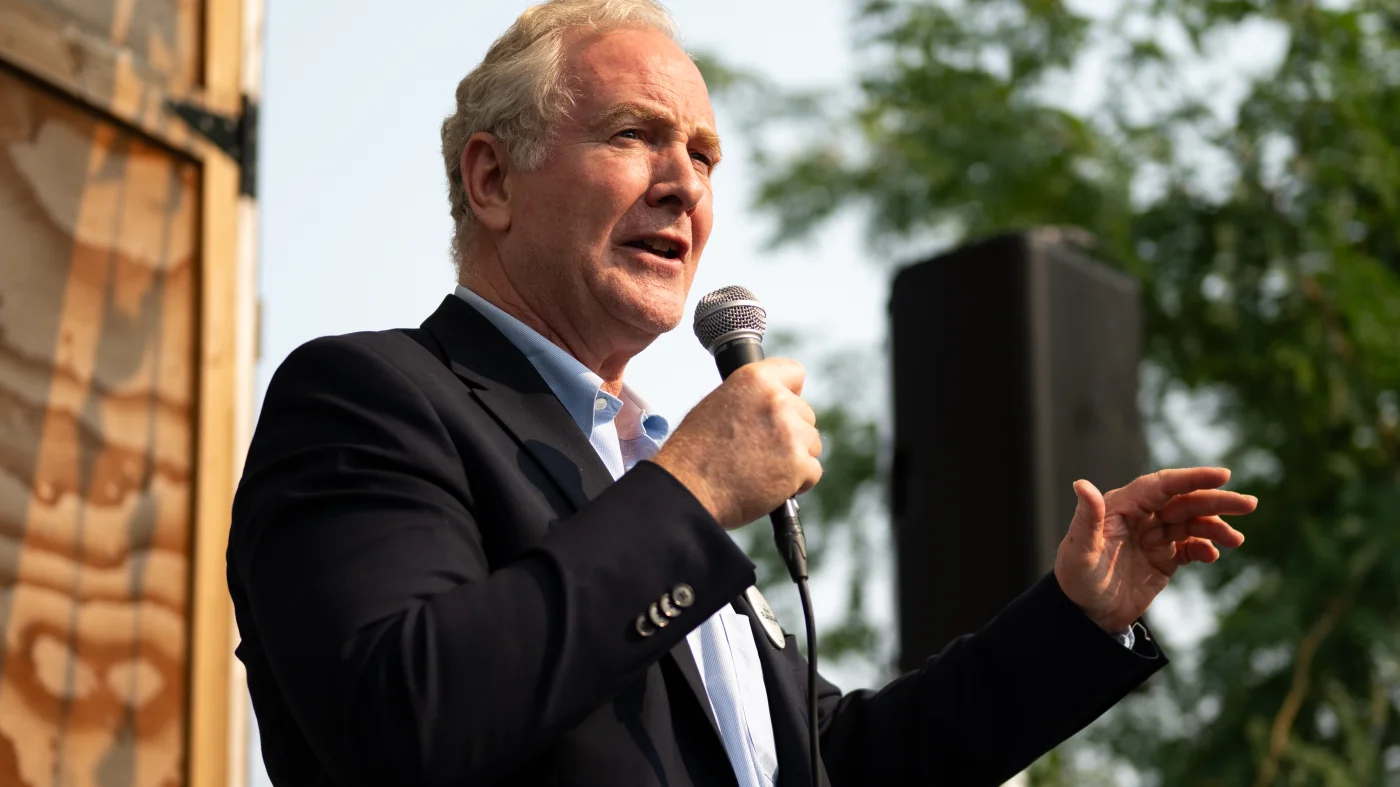
In the U.S. Senate, Sen. Chris Van Hollen (D-MD) announced he will challenge Sen. Chuck Schumer (D-NY) for the position of Senate majority leader. Van Hollen, who was elected to the Senate in 2016, cited a desire among voters for a "change from the status quo" following recent midterm elections. The challenge comes as some progressive activists and Democrats seek a replacement for Schumer, who has served as leader since 2017.
The leadership change at Nvidia affects the global technology sector, specifically the market for artificial intelligence hardware. As the primary manufacturer of chips powering AI development, Nvidia’s internal stability impacts software developers, data center operators, and tech investors who rely on the company's products. Investors saw an immediate effect on their holdings when the share price dropped on Wednesday, though the company expects continued high demand for its products due to the rising use of AI.
The resignation also carries implications for U.S. national security policy and international trade. Because the investigation involves a suspected foreign intelligence asset, lawmakers in Washington are now reviewing export protocols for sensitive technology. This could lead to stricter regulations on how U.S. companies sell advanced hardware abroad.
For the U.S. Senate, the challenge to Schumer’s leadership could shift the legislative priorities of the Democratic caucus. While Van Hollen has announced his bid, a formal vote date for the leadership position was not reported. At Nvidia, Kress has assumed the interim role effective immediately, though the board has not stated how long the search for a permanent successor will take.