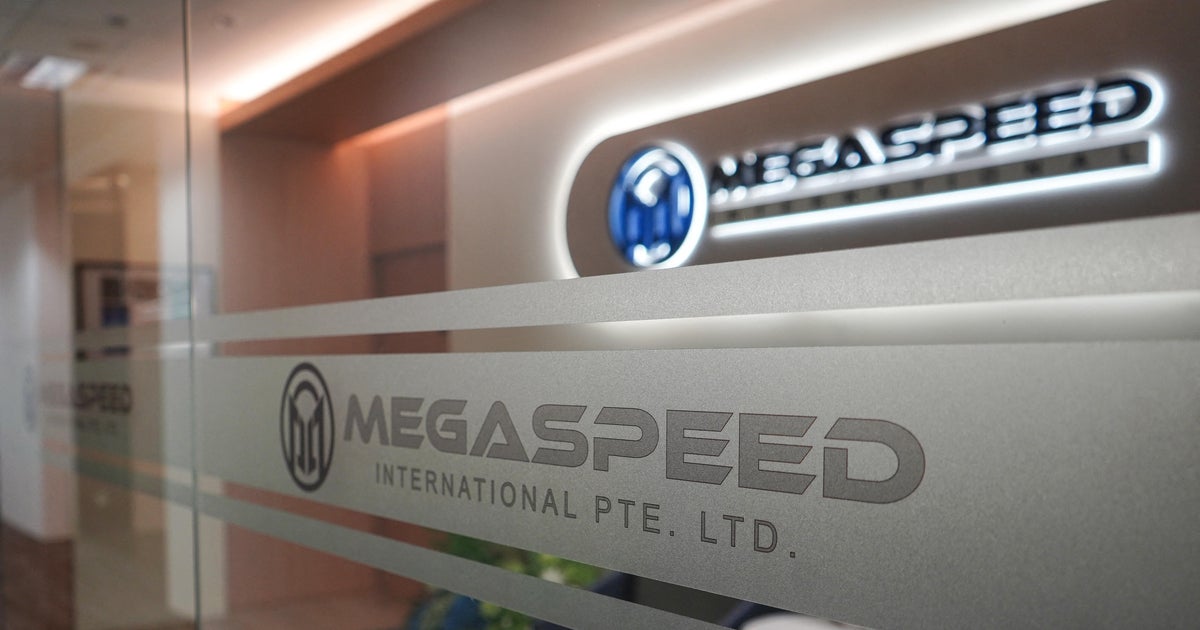
Government agencies in the United States and Singapore are investigating Megaspeed International, a Singapore-based technology firm, over allegations that it illegally transferred restricted Nvidia artificial intelligence (AI) chips to China. The company, which has purchased nearly $5 billion in Nvidia hardware over three years, is also the subject of an FBI investigation involving Nvidia CEO Jensen Huang and former Megaspeed director Alice Huang.
The inquiry centers on whether Megaspeed served as a front for the Chinese government to bypass U.S. export controls. U.S. investigators allege that Alice Huang, whom U.S. intelligence suspects of being an asset for China's Ministry of State Security, used shell companies to obtain 240,000 chips banned for export to China. Megaspeed originated in 2015 as a subsidiary of a Chinese gaming firm before being renamed and redirected toward AI hardware in March 2023.
Nvidia confirmed it has launched an independent investigation into Jensen Huang, who recently apologized to employees for an affair with Alice Huang. On Tuesday, a shareholder filed a class action lawsuit against the company, alleging that the CEO concealed the relationship and misled investors regarding national security risks. Nvidia's board stated it has no reason to believe company secrets or national security were compromised, emphasizing that it prioritizes U.S. economic security.
Reports from news organizations, including The New York Times and The Straits Times, have noted discrepancies in Megaspeed’s physical operations. Although the company claims to have between 201 and 500 employees, its Singapore headquarters were found mostly empty during visits by reporters. In Australia, the company’s subsidiary listed a newspaper vendor as its director, whose father stated he had never heard of Megaspeed. In Malaysia, one office was described as a dilapidated storefront.
For the broader public and tech sector, the case highlights the enforcement of U.S. Department of Commerce export controls. If the allegations are true, it suggests that even major corporations with internal compliance teams may be vulnerable to sophisticated smuggling operations involving shell companies. This could lead to stricter vetting processes for foreign buyers of U.S. technology, potentially slowing down international sales or increasing the administrative costs for small-to-medium enterprises in the global supply chain.
The outcome of the FBI and Singapore police probes will determine if additional criminal charges or trade sanctions are issued. Megaspeed has denied all allegations, stating that recent reviews by the U.S. Bureau of Industry and Security and Nvidia found no evidence of illegal activity. The next steps include the progression of the shareholder lawsuit and the conclusion of Nvidia’s internal investigation, both of which will clarify the extent of the CEO’s involvement and any potential security breaches.