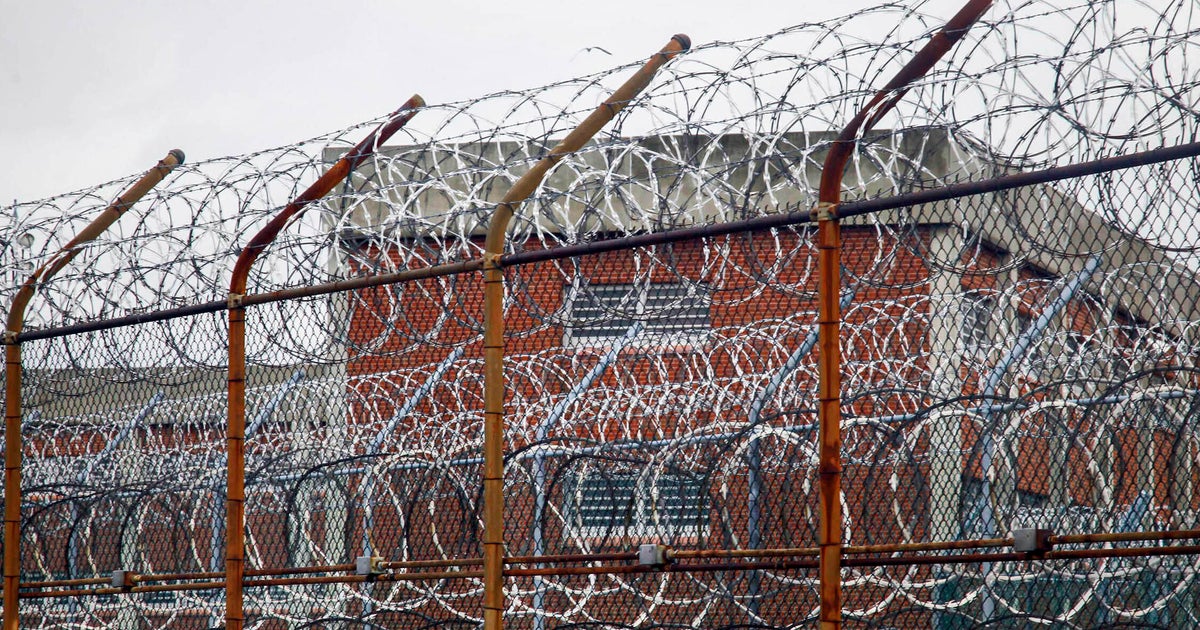
New York City Mayor Zohran Mamdani announced a strategy on Friday to close the Rikers Island jail complex and transition to a system of four smaller, borough-based facilities. The plan outlines a timeline for replacement jails and introduces funding for programs intended to reduce the number of people currently held in custody.
The city is under a legal mandate to close the Rikers Island facility by August 2027. While the administration reported closing one facility within the complex earlier this year, the remainder of the site continues to operate. Current city data from June reported approximately 6,700 people in custody at Rikers, a population that exceeds the 4,100-person capacity designed for the four proposed replacement jails.
Under the mayor’s proposal, the first of the four new borough-based jails is not scheduled to open until 2029. To manage the transition and current conditions, the administration allocated $50 million for job training, education, mental health counseling, and drug treatment. An additional $76 million is designated for community programs and supervision aimed at keeping individuals out of jail while they await trial.
The administration also plans to address court backlogs by increasing coordination between city agencies to speed up the exchange of evidence. Department of Correction Commissioner Stanley Richards stated that the effort aims to reduce unnecessary pretrial detention, which he noted can lead to job loss and eviction for the incarcerated while delaying justice for victims. Mayor Mamdani reported that assaults at Rikers currently occur at eight times the rate of comparable jails, with detention lengths nearly four times the national average.
The transition affects approximately 6,700 individuals currently in custody, as well as the staff employed by the Department of Correction. The $126 million in total new funding for social services and community supervision is intended to lower the jail population to meet the 4,100-capacity limit of the future facilities. For New Yorkers awaiting trial, the plan’s focus on court efficiency and supervised release programs may determine whether they remain in the community or in detention while their legal cases proceed.
The shift to borough-based jails represents a change in how the city manages its correctional infrastructure, moving from a centralized island complex to facilities located within residential and commercial districts. This policy change aims to mitigate safety concerns and detention delays at Rikers, but it also creates a gap between the August 2027 legal closure deadline and the 2029 opening of the first replacement facility. The administration did not specify how it will bridge this period if the 2027 deadline remains fixed.
Next steps for the plan include a formal news conference scheduled for 8 a.m. on the day of the announcement to provide further details. The city must now coordinate between the Department of Correction and judicial agencies to implement the evidence-exchange reforms and expand hospital care for those with serious medical or mental health needs. The legal deadline for the total closure of Rikers Island remains set for August 2027, while construction on the first replacement jail continues toward its 2029 target.