Employers in the United States added 165,000 jobs in October 2026, exceeding expectations. A government report released on November 6 also revised job gains for August and September upward by a combined 84,000 positions, bringing the three-month hiring average to 137,000 jobs per month.
The figures were released during a period of market volatility linked to the technology sector and artificial intelligence (AI) investments. On November 5, 2026, financial markets lost more than $2.5 trillion in value before rebounding the following day. President Donald Trump referred to the drop on Friday and attributed it to the midterm elections held on Tuesday, November 3.
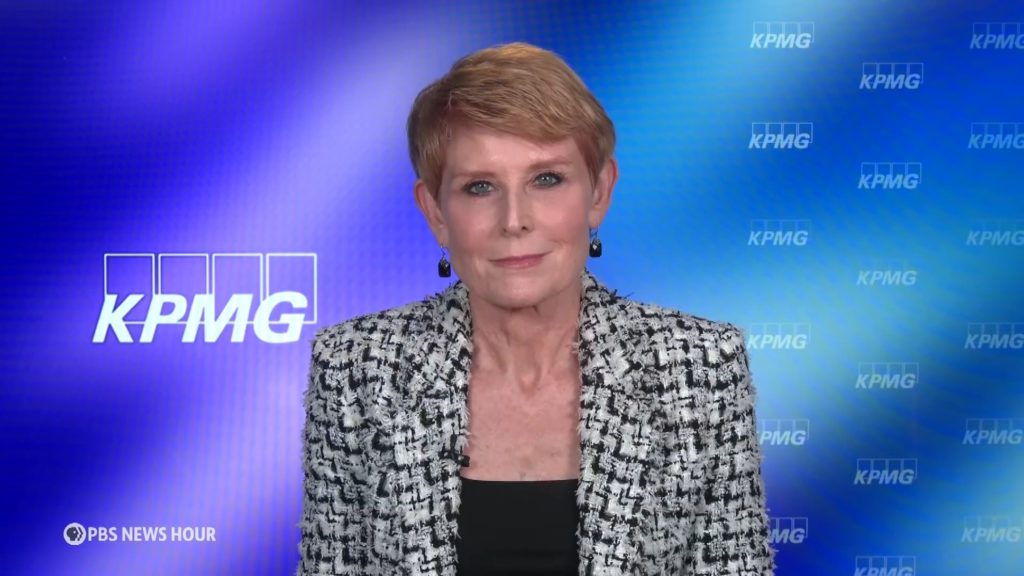
While the unemployment rate fell to 4.1%, other labor metrics showed signs of stagnation. Average hourly earnings rose 3.1% over the past year, a figure that Diane Swonk, chief economist for KPMG, noted remains below the rate of overall inflation. This suggests that despite the increase in paychecks, many workers are experiencing a decline in purchasing power.
Additional data highlighted challenges for specific labor groups. The underemployment rate—which tracks discouraged workers, the long-term unemployed (over 27 weeks), and those working part-time who prefer full-time roles—rose to 7.9%. This is the highest level since July and exceeds pre-pandemic figures. Furthermore, the New York Fed reported that underemployment for new college graduates is at its highest point since 2020.
The scale of the market's reaction to AI concerns—a $2.5 trillion loss in a single day—demonstrates the concentration of wealth and economic activity currently tied to the technology sector. For small-business owners and federal workers, these swings can influence broader economic stability and future tax revenues. Swonk characterized the current economic growth as a "one-legged stool" reliant on the AI boom. This sets a precedent where future market stability may depend heavily on whether long-term investments in AI begin to yield tangible profit returns and productivity gains that include human labor.
What happens next involves monitoring whether the hiring trend continues through the end of the year. Investors are watching for profit reports from AI firms to see if they meet expectations. Policy makers will also be reviewing these labor numbers as they consider economic priorities following the November 3 midterm elections. No specific upcoming court dates or legislative votes related to these labor statistics were reported.