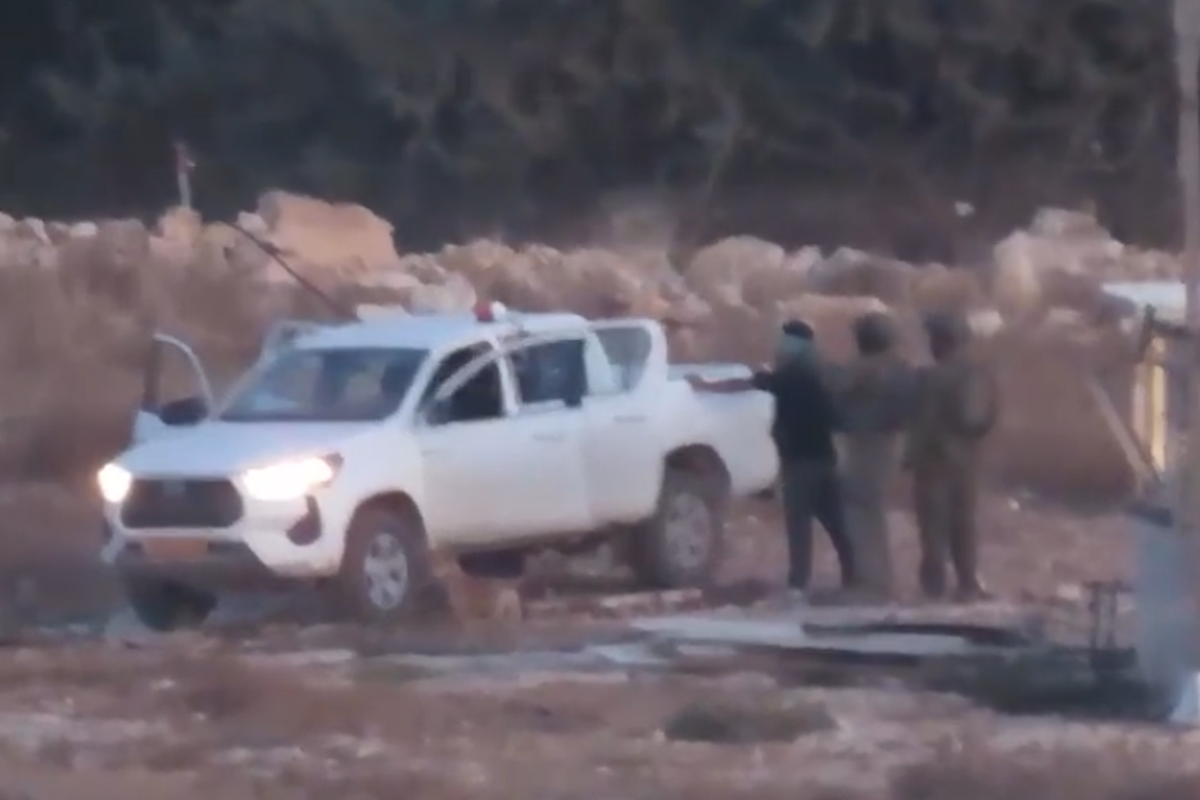
Mohammad Hesham, a 23-year-old Palestinian journalist and activist, reported being detained and abused by Israeli soldiers for six hours on approximately November 5, 2026. Hesham stated that he was taken from his home in the village of at-Tuwani, blindfolded with a rubbish bag, and transported to the Susya military base in Masafer Yatta. The Israel Defense Forces (IDF) confirmed the detention but stated Hesham was held for several hours after approaching an Israeli community in a "suspicious manner."
The incident occurred in the southern West Bank, an area where the United Nations' top court has declared the Israeli occupation illegal under international law. Hesham, who contributes to publications including The New Arab and +972 Magazine, alleged that soldiers beat him and threatened his life after discovering his profession on his phone. Security footage published by The Independent showed soldiers summoning Hesham from his village rather than him approaching a separate community, a point that contradicts the military's initial account.
During the six-hour period, Hesham stated he was denied food, water, and bathroom access while being forced to remain on the ground. The IDF maintained that its soldiers are authorized to detain suspects for six hours and that detention procedures are followed according to established protocol. While the military stated that allegations of abuse were "not known" to the IDF, it noted that violence or degrading treatment is contrary to its orders and that it examines all suspicions of unlawful conduct.
For a resident of Masafer Yatta, these reports indicate a concrete change in day-to-day security and freedom of movement. Hesham reported that such detentions are a frequent occurrence in the area, stating that some individuals have been detained multiple times by the same units. This environment can affect a person’s ability to work, travel, or remain at home without interruption. The involvement of "Hagmar" units—settler-only IDF regional security forces established after October 7, 2023—suggests a shift in how local security is managed, potentially blurring the lines between civilian settlers and military personnel.
The knock-on effects of these detentions concern the freedom of the press and the documentation of human rights in the occupied territories. If journalists face physical abuse or equipment seizure during detention, it may limit the information available regarding regional conditions. The IDF has stated it works to investigate violations of the law within its ranks. What happens next depends on whether a formal internal investigation is opened into this specific incident and whether international bodies or legal organizations pursue sanctions or legal challenges related to the use of administrative detention and military outposts in the West Bank.