The Plain Record

Neutral daily news — clear headlines, complete facts.

Politics

Poll suggests increased support for Labour if party pledges to rejoin EU

A survey of 7,291 voters found that support for the Labour Party rose by more than 7% when tied to a pledge to rejoin the European Union.

Published November 17, 2026 at 4:14 PM EST

The short answer

A survey of 7,291 voters found that support for the Labour Party rose by more than 7% when tied to a pledge to rejoin the European Union.

Poll suggests increased support for Labour if party pledges to rejoin EU

The Facts

Who
Prime Minister Andy Burnham and the Labour Party
What
A GB Omnibus poll commissioned by Fortius Global showed a jump in Labour Party support if they included a commitment to rejoining the EU in their manifesto.
When
Tuesday, November 17, 2026
Where
United Kingdom and Brussels
Why
The polling comes as the government prepares to sign a new deal with the EU and launches a yearlong public consultation on Britain's future relationship with the bloc.

A new poll released on Tuesday, November 17, suggests that voter support for the Labour Party would increase if the party pledged to rejoin the European Union in its next election manifesto. The GB Omnibus survey, commissioned by Fortius Global, found that Labour’s support rose to 31.5% when a "rejoin" promise was included, compared to 24.3% in a baseline voting-intention scenario.

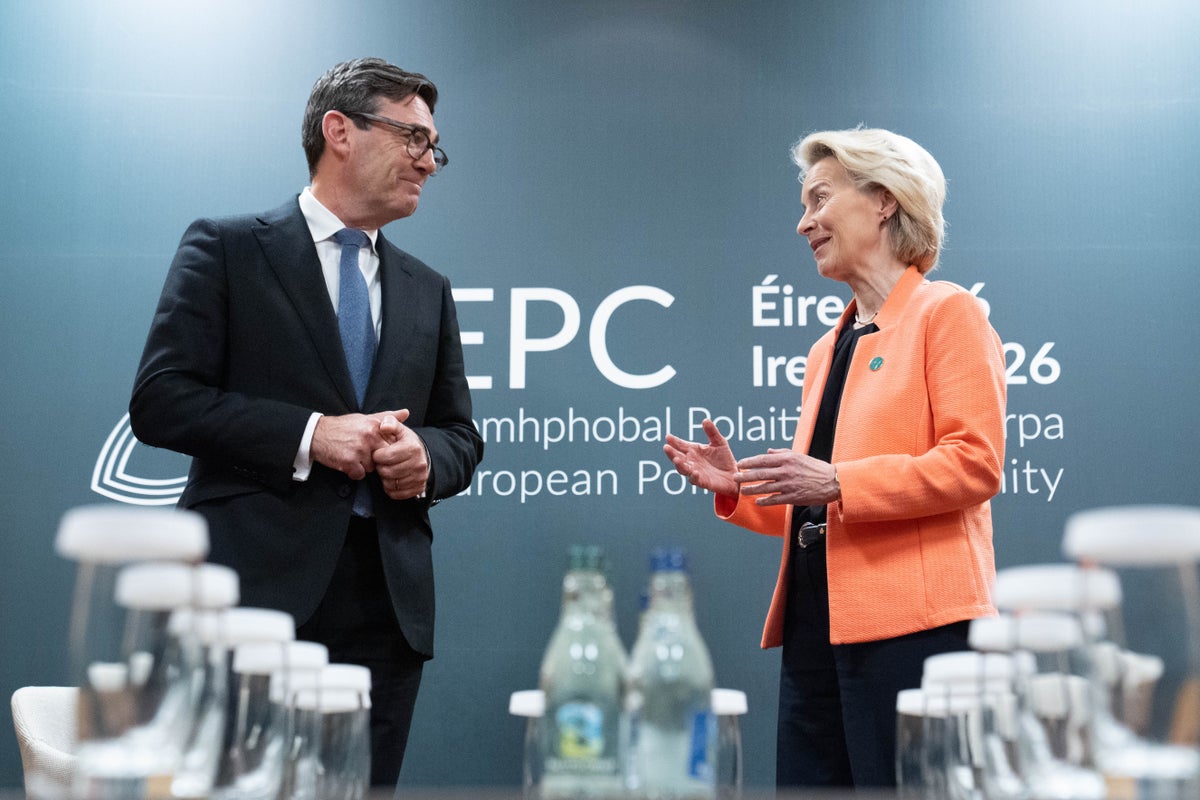
The polling data arrived two days before Prime Minister Andy Burnham was scheduled to visit Brussels on Friday, November 20. During this visit, the Prime Minister intended to sign a "reset deal" with the EU. This agreement reportedly covers participation in the EU energy market, the establishment of a youth mobility scheme, and the removal of border checks on food and drink products.

The survey of 7,291 voters indicated that 56.5% of respondents support opening negotiations to rejoin the EU, while 26.8% are opposed. Additionally, 55% of those surveyed agreed that Brexit has been a failure, compared to 13.8% who disagreed. On the issue of currency, however, 85.5% of respondents stated they would prefer to keep the pound rather than adopt the Euro.

The scale of this shift is notable, as a pledge to rejoin resulted in a 7.2 percentage point increase in support for Labour among the total electorate. This comes as 54% of respondents expressed a desire to rejoin the EU either immediately or within a three-year timeframe. However, 85.5% of voters wish to retain the British pound.

The Prime Minister is scheduled to begin a yearlong "national conversation" regarding Brexit options, including maintaining the current status, joining the customs union or single market, or pursuing full membership. Downing Street indicated that options for the future relationship will not be detailed before the end of the year and will be discussed with the EU first. A summit is scheduled for Friday, November 20, 2026, which the Prime Minister intends to use as a springboard for further options.

Timeline of what happened

Key dates and decisions, in the order they occurred.

  1. November 17, 2026

    PM addresses cabinet on European leadership

  2. November 20, 2026

    PM scheduled to sign Brexit reset deal in Brussels

Summaries are written by The Plain Record to state the facts of a story plainly and without political slant. Drafted with AI assistance and checked against the source record before publication. See how we report, or report a correction.

← Back to the front page

Questions readers ask

What happened: Poll suggests increased support for Labour if party pledges to rejoin EU?

A GB Omnibus poll commissioned by Fortius Global showed a jump in Labour Party support if they included a commitment to rejoining the EU in their manifesto.

Who is involved?

Prime Minister Andy Burnham and the Labour Party

When did this happen?

Tuesday, November 17, 2026

Where did this happen?

United Kingdom and Brussels

Why does this matter?

The polling comes as the government prepares to sign a new deal with the EU and launches a yearlong public consultation on Britain's future relationship with the bloc.