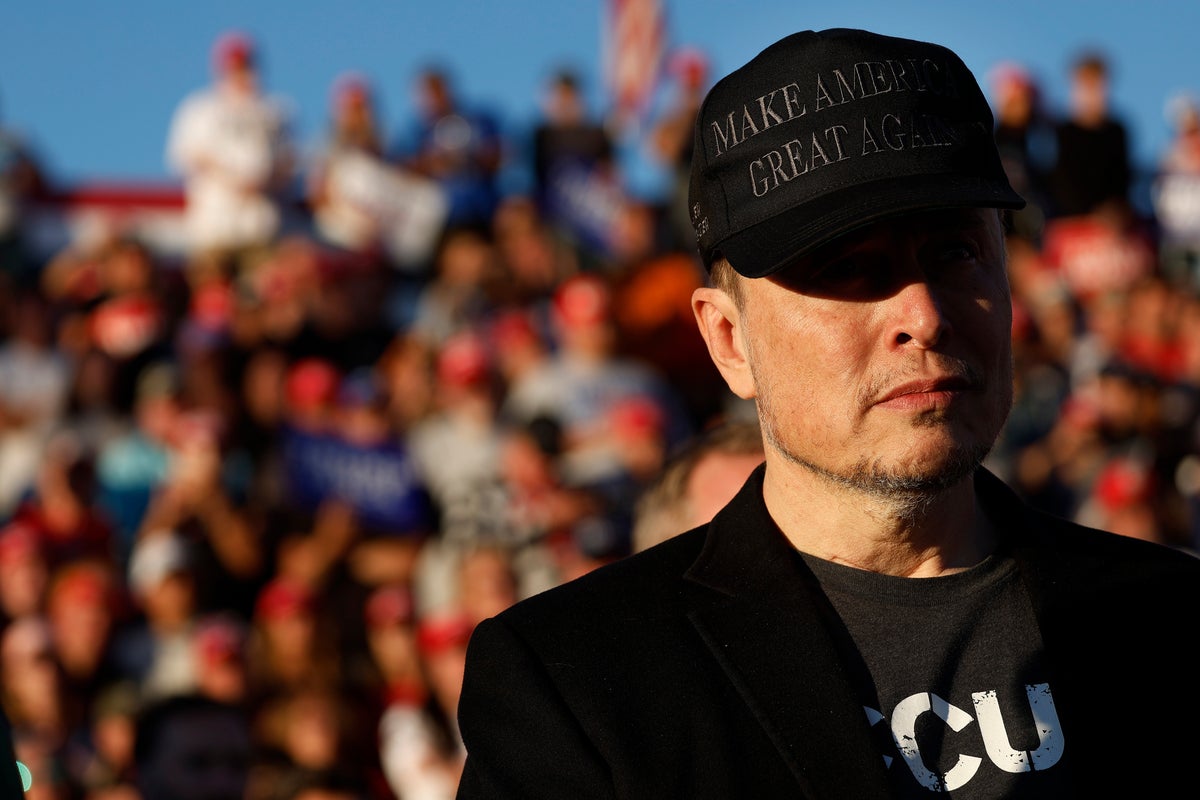
New polling data indicates that public favorability for the "Make America Great Again" (MAGA) movement reached a record low in October 2026. The data follows the 2026 midterm elections and has coincided with at least one high-profile supporter, tech billionaire Elon Musk, publicly distancing himself from the movement's label.
The shift in sentiment follows a period of close cooperation between Musk and the administration of President Donald Trump. Musk previously served as the head of the Department of Government Efficiency, where he managed significant reductions across federal agencies. During the 2025 Conservative Political Action Conference (CPAC), Musk appeared on stage with President Trump while holding a chainsaw.
According to CNN senior data reporter Harry Enten, the MAGA movement's net favorability rating fell to 41 percentage points underwater in October 2026. Among independent voters, that rating reached minus 61 points. Simultaneously, data reported by The New York Times placed President Trump’s overall job approval rating between 32 percent and 38.3 percent.
In a recent appearance at The New York Times DealBook Summit, Musk stated he was "not MAGA" and expressed regret over spending nearly $500 million to support candidates aligned with Trump in the 2026 midterms. Musk described the expenditure as "foolish" and noted that he does not have a "blind adherence" to Republican Party policies. President Trump responded to these remarks on Thursday, November 19, 2026, during an NBC News interview, describing Musk as a "friend" with "very good intentions" while stating that those who veer from the MAGA movement "don’t do very well."
The scale of the financial impact is centered on the approximately $500 million in personal capital Musk reported losing through his support of candidates in the 2026 midterms. For the public, these polling numbers and the resulting shift in political alliances represent a change in the influence of the MAGA brand on national policy and election strategy. Voters may notice a change in the types of candidates who receive high-level financial backing or how those candidates choose to label their platforms in upcoming cycles.
The knock-on effects of these record-low favorability ratings could influence the legislative priorities of the Republican Party and the strategy of the Trump administration as it navigates a post-midterm environment. It sets a precedent for how major donors react to election losses and public sentiment shifts. What happens next includes the continued analysis of the 2026 midterm results and the potential for further staff or surrogate changes within the administration as parties prepare for future sessions. No specific upcoming court dates or legislative votes related to these approval ratings were reported.