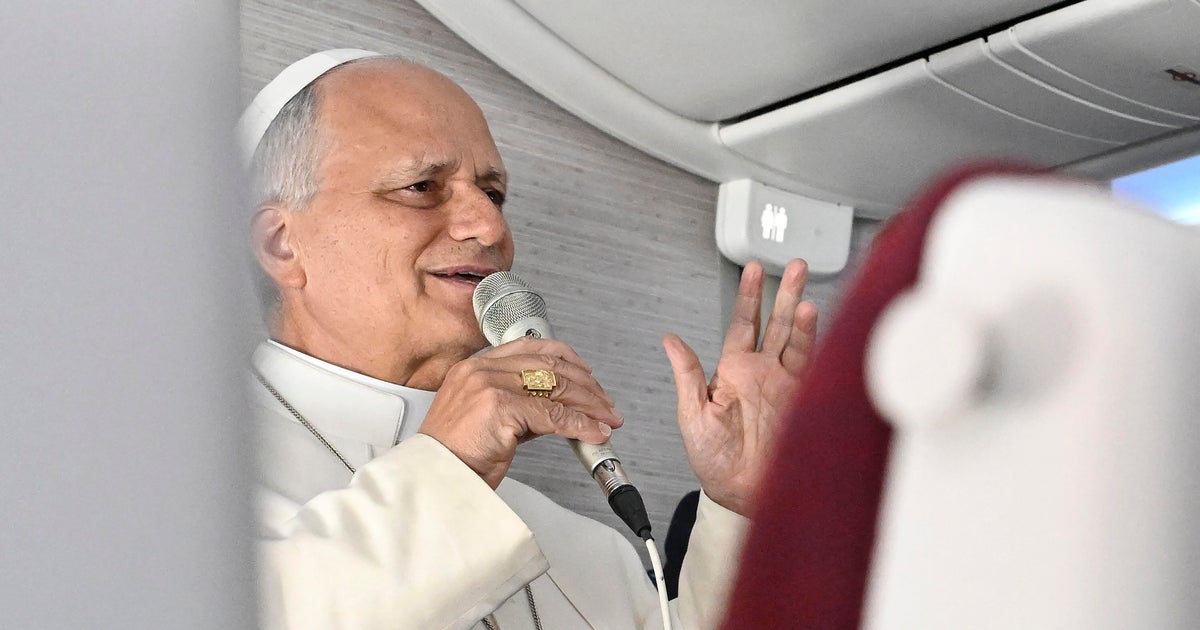
Pope Leo XIV called for a reduction in political polarization and international conflict during a press conference on his return flight to Rome from Latin America. Speaking to reporters following the 2026 U.S. midterm elections, the Chicago-born pontiff stated he hoped for a greater capacity for dialogue and reconciliation. He also addressed internal church debates regarding the ordination of married men and provided an update on his recovery from recent lung cancer surgery.
The Pope's comments follow a tour of Latin America that began 24 days after he underwent surgery in October to remove a lung tumor. The tumor was discovered during a routine annual examination; doctors reported the cancer was confined to a single lobe, which was removed, and stated that no further treatment was required. During the trip, Leo XIV confirmed he had voted in the recent U.S. elections, describing democratic participation as a part of his identity as a "North American."
Regarding the Catholic Church's internal policy, Leo XIV discussed the potential for ordaining married men to the priesthood to address shortages in regions like the Amazon. While acknowledging the potential benefits for remote areas, he described the issue as "complicated" and noted that it could cause division because the concept lacks universal acceptance within the church. He stated that while things might change in the future, his current priority is to "heal" and "bring people together."
The Pope’s comments on U.S. political division also impact the civil life of Catholics in the United States. By characterizing voting as a "duty" and a "right," Leo XIV reinforces the expectation for religious adherents to participate in the democratic process. His call for "less controversy" and "less war" sets a tone for how the Vatican intends to interact with the newly elected U.S. Congress following the 2026 midterms.
Furthermore, Leo XIV’s health status has implications for the Vatican’s administration. His decision not to sign a conditional resignation letter—a tool used by predecessors to handle permanent incapacity—means the current governing structure remains centered on his active leadership. As he continues his recovery from cancer surgery, his ability to maintain an international schedule will determine the pace of Vatican policy and diplomatic missions. No specific dates for future major policy shifts or synods were reported, but the Pope indicated his immediate focus remains on unity rather than structural changes to the priesthood.