President Donald Trump stated on Thursday, November 5, 2026, that he would review a 2022 federal law that prohibits the importation of Russian petroleum products. The statement followed questions regarding his administration's efforts to bring Russian diesel fuel into the United States to lower domestic prices. During an Oval Office appearance, the president said he would "take a look at" the Ending Importation of Russian Oil Act, which he noted was signed by his predecessor.
The administration’s efforts began on October 9, 2026, when President Trump announced an agreement with Russian President Vladimir Putin to supply over 300,000 tons of diesel fuel to the global marketplace, with additional shipments scheduled through November. On the same day, the Treasury Department issued a general license suspending certain sanctions. However, the 2022 law requires the president to certify to Congress that Russia has withdrawn troops from Ukraine and ended attacks before Russian petroleum can legally enter the U.S.
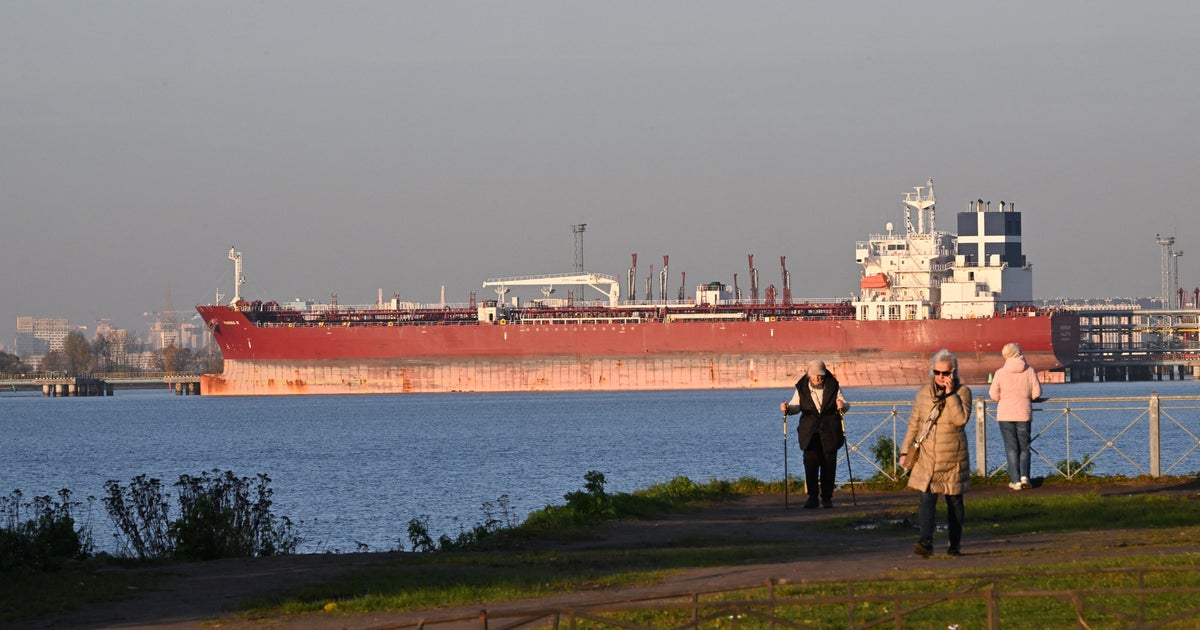
New Jersey Governor Mikie Sherrill (D) issued a warning on November 2, 2026, to port operators in her state, stating that offloading the fuel could lead to civil and criminal penalties. According to shipping data, two tankers that left St. Petersburg in late October, the Talisman and the Leruo, have diverted to other international destinations. A third tanker, the Agioi Fanendes, carrying 300,000 barrels of diesel, remains in the North Atlantic moving toward the U.S. East Coast but has not declared a final destination.
An anonymous White House official confirmed the administration’s interest in the shipments, stating the fuel "will ease prices for Americans." The Treasury Department’s Office of Foreign Assets Control (OFAC) asserted on October 10 that its licensing actions are "in compliance with all applicable laws." Energy consultants noted that while the fuel is being sold at significant discounts—reportedly $20 million for a $60 million market value—domestic distributors may avoid the shipment due to legal and reputational risks.
The scale of the reported agreement involves a total of 4.8 million tons of diesel fuel promised by Russia over an unspecified short period. For the average American household or farm, the administration argues this supply will lower costs at the pump, though oil industry experts cited in the report claim these amounts represent a small fraction of global consumption and may not significantly move market prices. A single tanker like the Agioi Fanendes carries approximately 300,000 barrels, which represents a market value of roughly $60 million.
The situation sets a precedent regarding the executive branch's authority to use Treasury licenses to bypass statutory bans passed by Congress. A person working in the shipping or energy industry would notice a immediate conflict between federal executive guidance and state-level legal warnings, specifically in New Jersey. As of November 6, 2026, the Agioi Fanendes is the only remaining vessel potentially bound for the U.S., though no domestic port has yet agreed to receive it. The next steps depend on whether the tanker declares a U.S. destination and how federal courts or Congress respond to the administration's interpretation of the 2022 law.