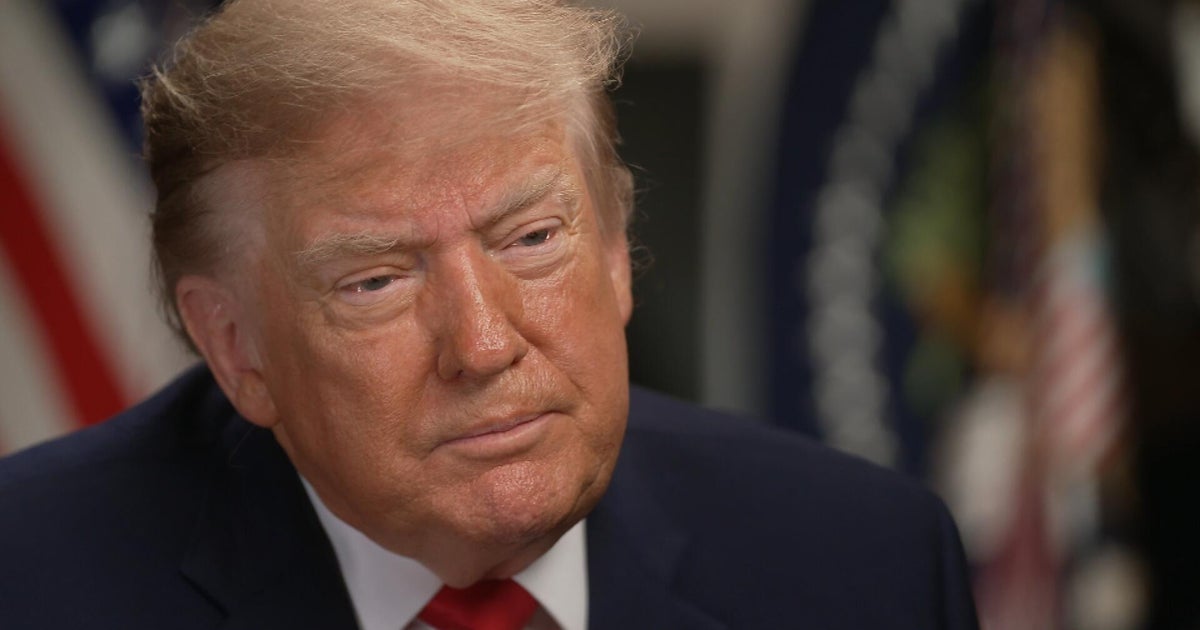
In an interview aired on a Sunday night, President Donald Trump stated he would be unable to forgive his political opponents even if such an action were required to enter heaven. During the segment on "60 Minutes," the president told interviewer Ross Douthat that he hates some of his enemies and intends to continue doing so.
The exchange occurred as Douthat questioned the president about his religious views and the afterlife. When asked if he could feel love and forgiveness for figures such as former FBI Director James Comey or Rep. Nancy Pelosi (D-CA) to gain entry to paradise, the president responded that doing so would not be "real" for him. He characterized his opponents as "extremely dishonest people" who were "very bad for our country."
The interview took place against a backdrop of legal actions involving several of the president's critics during his second term. The Department of Justice has pursued cases against three individuals mentioned as targets of the president's disapproval: James Comey, New York Attorney General Letitia James, and former national security adviser John Bolton.
Specifically, James Comey faced two federal indictments within a year, the first of which was dismissed in September 2025. A second case regarding an Instagram post remains pending, and the Justice Department took steps in October 2026 to pursue a third indictment related to the alleged leaking of classified information. Letitia James faced charges of bank fraud and making false statements, both of which a judge dismissed. John Bolton pleaded guilty in June 2026 to retaining classified information and is scheduled for sentencing in December 2026.
For the individuals involved, the concrete impact involves facing federal prosecution, the potential for prison time, and legal expenses. John Bolton, specifically, faces an upcoming sentencing hearing where a judge will determine his punishment following his June guilty plea. For the broader public, these events illustrate the current relationship between the executive branch and officials who served in previous administrations or pursued civil cases against the president's business interests.
The knock-on effects concern the precedent for how the Department of Justice handles cases involving former government employees and political figures. The dismissal of charges against Letitia James and the first case against James Comey suggests a pattern of judicial oversight in these filings. Looking ahead, the next significant date is the sentencing of John Bolton in December 2026, while the pending cases against Comey continue through the federal court system.