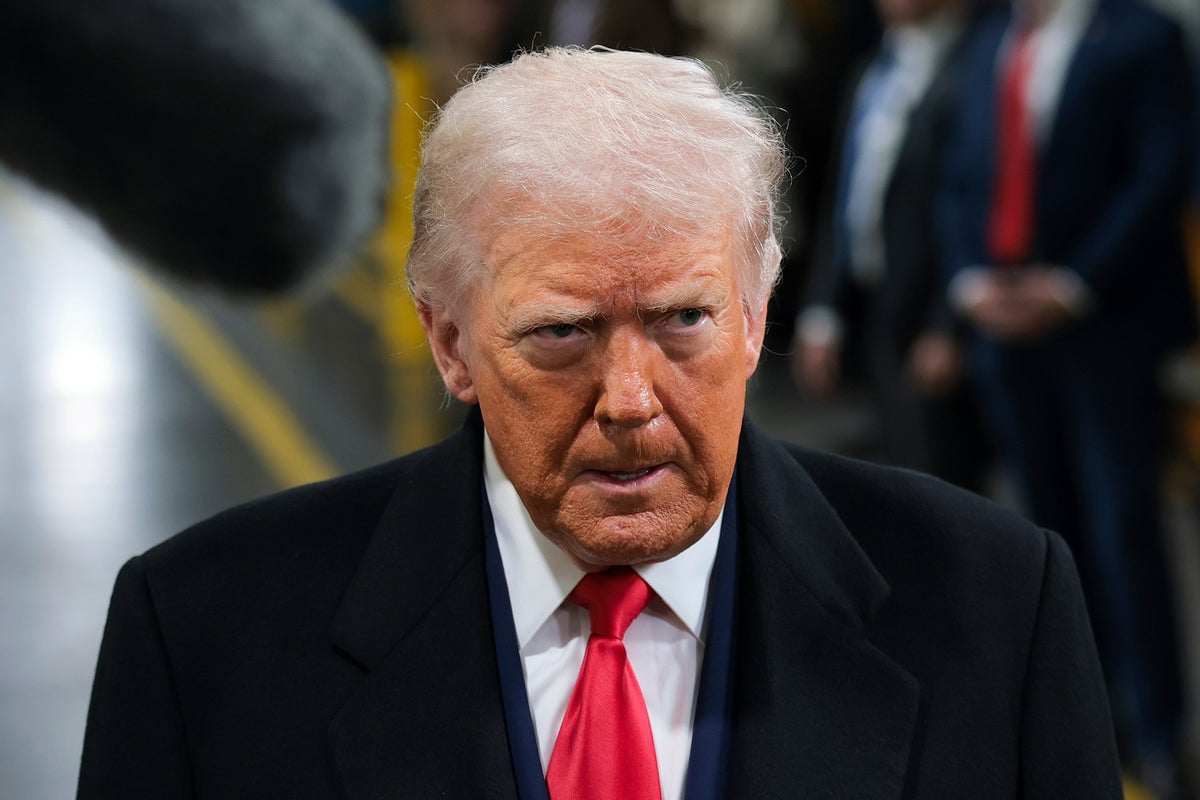
President Donald Trump responded to the results of the U.S. midterm elections on Saturday, November 7, 2026, by stating his intention to utilize the presidential veto. The announcement followed Wednesday's elections in which the Democratic Party won control of both the House of Representatives and the Senate, winning seats in previously Republican-held areas such as Kansas and Texas. The change in congressional leadership is expected to affect the administration's ability to pass legislation during the remainder of the term.
The presidential veto is established under Article I, Section 7 of the U.S. Constitution, which permits the president to block bills passed by Congress before they become law. While Congress can override a veto, it requires a two-thirds majority vote in both the House and the Senate. President Trump has issued two vetoes during his current term and 10 during his first term, compared to 13 by President Biden and 12 by President Obama.
In a podcast interview, President Trump said he expected to use the veto for "a month or two" before potentially reaching compromises with the new Democratic majorities. He also indicated to FOX News that he would likely reject legislation sent by the new Congress, stating he would "send them back with a nice stamp." To prepare for the new congressional makeup, the White House has spent months planning to use executive power to advance policy goals related to federal spending, housing costs, tariffs, and immigration.
The scale of this shift involves the federal legislative process. While the president can still independently manage foreign policy, negotiate with world leaders, and implement certain tariffs, he cannot declare war or ratify new treaties without congressional approval. For the general public, this political environment may mirror the 1995-1996 government shutdown, when a disagreement between a Democratic president and a Republican Congress over the federal budget lasted nearly a month. A similar impasse now could affect the timing of federal funding and the implementation of new social or economic programs.
What happens next depends on the seating of the new Congress in January 2027. Democrats are expected to begin investigations into the administration and its allies while demanding concessions on major bills. If the president uses a "pocket veto"—failing to sign a bill within 10 days while Congress is adjourned—the legislation dies without the possibility of a congressional override. Observers note that Republican members of Congress may face pressure to seek bipartisan compromises to appeal to moderate voters before the next election cycle in two years.