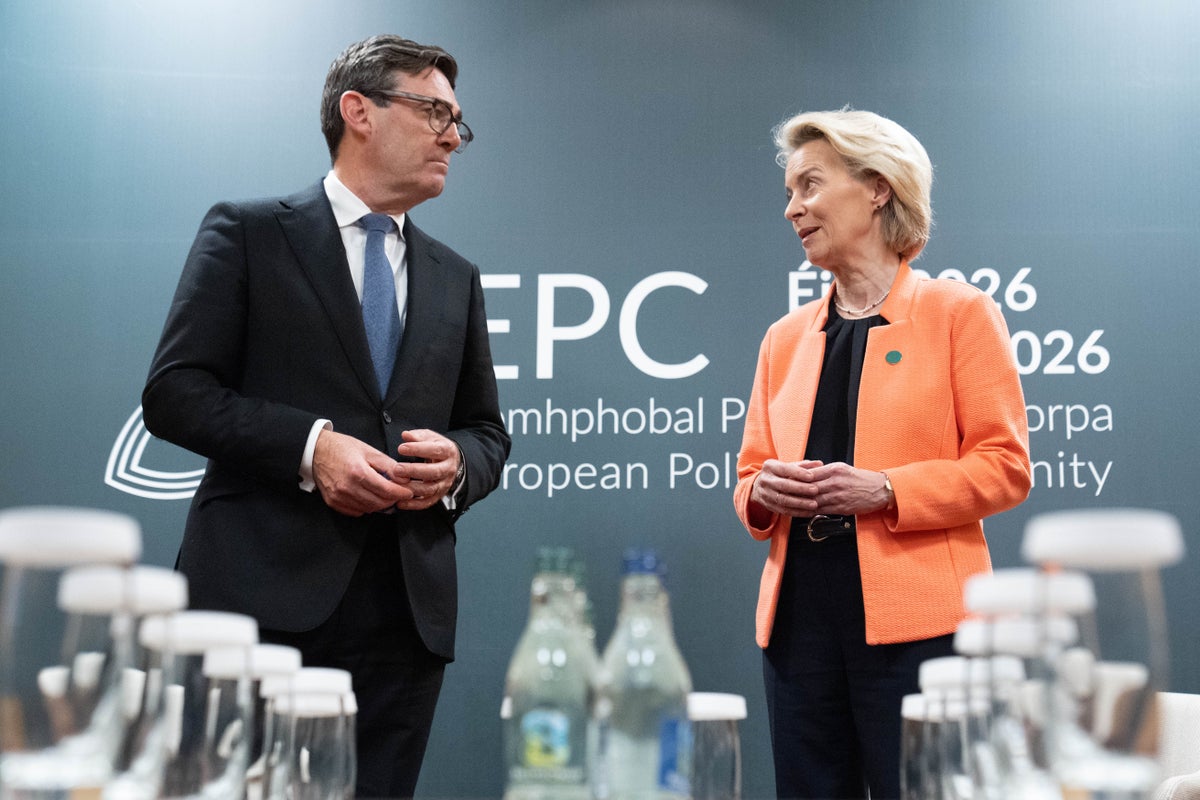
Prime Minister Andy Burnham is expected to initiate a year-long national conversation to determine the United Kingdom’s future relationship with the European Union. According to a senior EU source, the process will likely present four distinct pathways: maintaining the status quo, joining the customs union, rejoining the single market, or rejoining the EU entirely.
The move follows a series of public statements from the prime minister, including speeches at Mansion House and the Labour Party conference, where he expressed dissatisfaction with the current post-Brexit arrangements. Mr. Burnham has stated that the status quo has resulted in "division and low growth." The EU source indicated that any departure from the previous government's "red lines"—which ruled out rejoining the single market or customs union—would require a new electoral mandate.
Under the status quo, the UK remains outside EU structures, allowing it to set independent regulations and maintain trade deals like the Comprehensive and Progressive Agreement for Trans-Pacific Partnership (CPTPP). A customs union membership would remove tariffs on goods but would generally prevent the UK from negotiating independent trade deals. Rejoining the single market would offer free trade in goods and services but would require the UK to follow EU regulations without a seat at the decision-making table.
The most extensive option, rejoining the EU as a full member, would grant the UK influence over bloc rules and defense cooperation. However, the source noted this would likely require the UK to adopt the Euro and join the Schengen free travel zone, while losing its previous budget rebate. Mr. Burnham has stated he would like to see the UK rejoin in his lifetime but noted he is "not going to move ahead of the public."
The timeline for this conversation also impacts the political calendar. EU diplomats indicated that a year-long consultation makes a rumored early election in May unlikely, as the prime minister would need to finalize a specific policy position for his next manifesto. Furthermore, the UK government is expected to release a 10-year economic plan around December or January, but EU officials suggested this plan remains difficult to finalize without a settled direction on European trade.
In the immediate term, the EU has reportedly signaled that it will not engage in further bespoke mini-deals after Friday, November 20, unless the UK agrees to join the internal single market. This creates a deadline for the government to decide if it will continue its current approach to negotiations or commit to a structural shift. The next steps involve the formal opening of the national conversation and the publication of the government's long-term economic strategy.