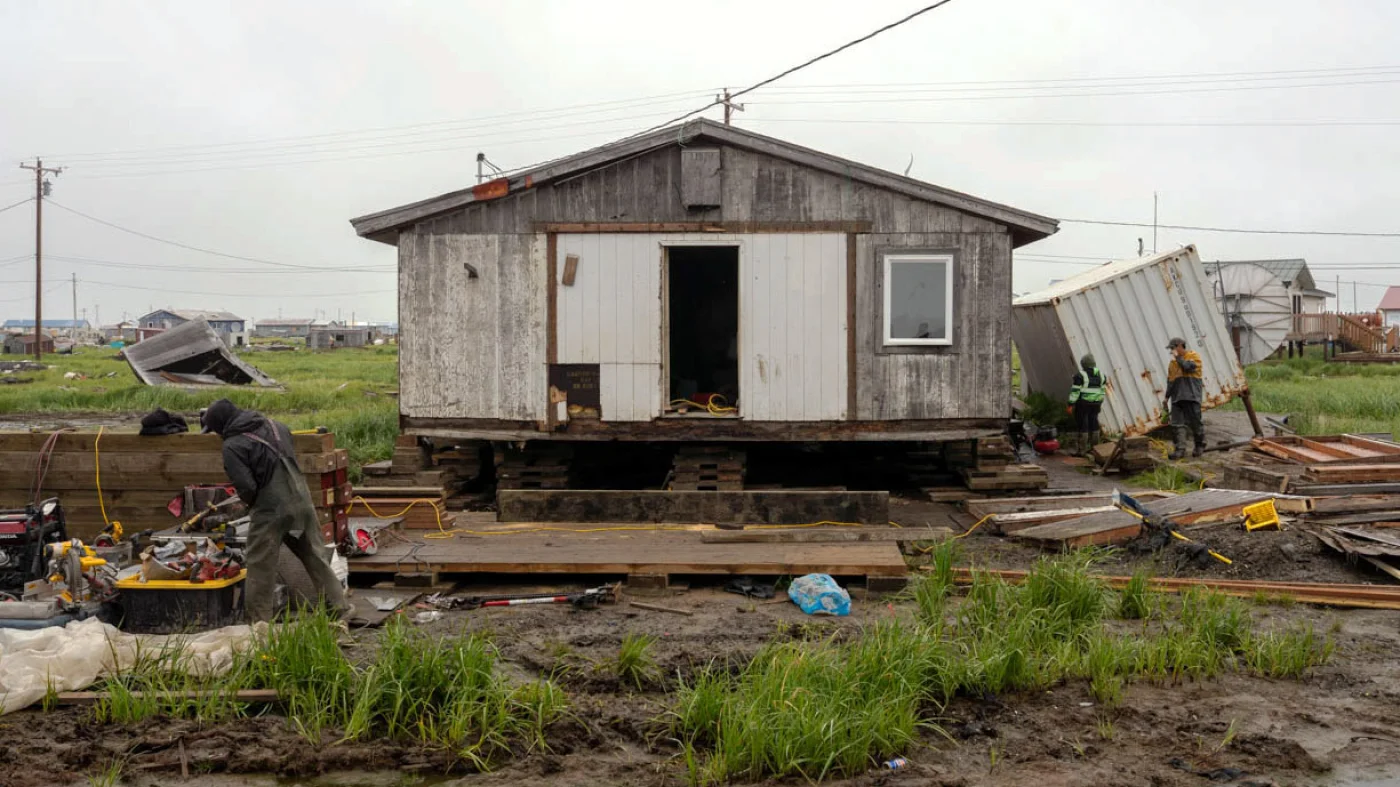
In the remote village of Kipnuk, Alaska, hundreds of residents remain displaced one year after the remnants of Typhoon Halong damaged or destroyed most of the community’s infrastructure. The storm, which hit the Western Alaska coast in October 2025, swept homes off their foundations and forced more than 1,000 people from various Alaska Native villages to seek shelter elsewhere. Recovery efforts continue as construction crews work to make residences habitable before the onset of winter.
Kipnuk is a small town of fewer than 200 homes located on the open tundra, accessible primarily by plane. According to the State of Alaska’s Emergency Operations Center, 90% of the residences in the village were damaged during the 2025 storm. While repair crews have spent the past year attempting to stabilize buildings and clear debris, many residents are currently scattered across other regions of Alaska, including cities like Anchorage.
Current reconstruction efforts involve several dozen workers, including local residents like Eddie Chuckwuk, who are using air compressors to lift buildings back onto their foundations. The state reported that most Kipnuk residents did not have home or flood insurance at the time of the storm. While repairs to windows, doors, and insulation are underway, there is no currently reported estimate for when the local school will reopen.
For the displaced families, the change in day-to-day life includes a move away from hunting and gathering traditional foods to living in urban environments where they face higher traffic risks and less frequent use of the Yugtun language. The lack of insurance for the majority of these households means the cost of recovery is largely dependent on government disaster grants rather than private coverage. The state of Alaska is currently appealing for additional funding specifically to build replacement housing for those whose homes cannot be salvaged by the current repair budget.
What happens next: The State of Alaska expects FEMA-funded repairs to make most homes in Kipnuk habitable by Thanksgiving 2026. While some families returned briefly during the summer of 2026 for traditional berry-picking and fishing, a full community return remains uncertain due to the extent of the damage and the lack of a timeline for school services. Future policy decisions regarding village relocation are stalled as current federal funding is restricted to restoring existing damage rather than financing a move to new locations.