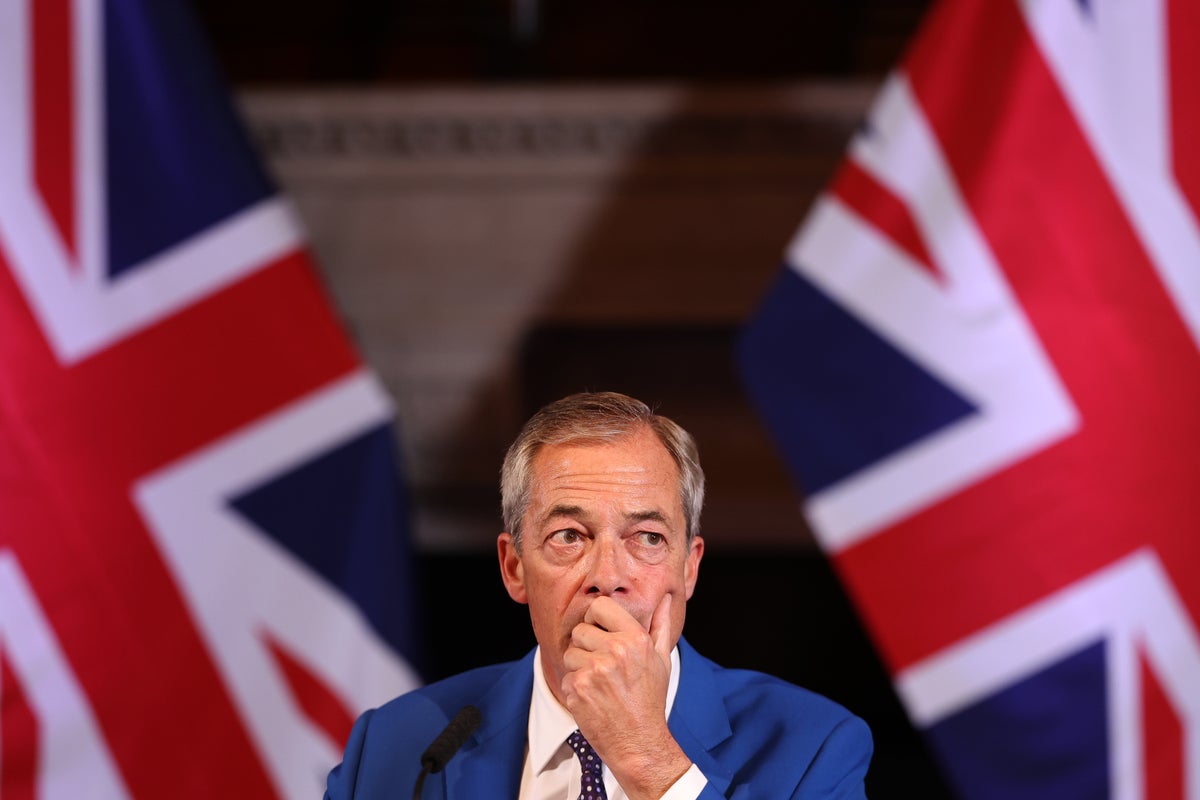
Reform UK has seen a higher number of councillor departures than any other major British political party since June 1, according to data from Open Council Data UK. Between June and November 2026, the party lost 41 councillors, a 1.8% decrease that brought its total from 2,342 to 2,301. During the same period, the Labour Party lost 35 councillors, the Liberal Democrats lost five, and the Conservative Party gained 13 seats.
The decline follows a period of growth for Reform UK, which won 1,454 seats and took control of 14 councils in the May 2026 local elections. Despite securing £72 million in donations from cryptocurrency entrepreneurs in September, the party has recently seen a drop in national polling, trailing Labour by seven points according to Ipsos. A Reform spokesperson disputed the significance of the recent figures, stating their own analysis showed the party has lost fewer councillors than Labour or the Conservatives when measured since May 2025.
Reasons for the departures vary among the 41 individuals. Several councillors, including Lyndsey Fox and Paul Sexton in Durham, left to become independents; Fox cited a lack of confidence in the party's handling of a safeguarding issue. Others, such as Alan Feeney, resigned following an ITV documentary that recorded party members making racist and sexually explicit comments. In Lancashire, Leon Graham defected to the Conservatives, alleging a "toxic" culture and a lack of internal democracy, while Birmingham councillor Rebecca Waters left after the local Reform group criticized the use of Arabic by an imam at a civic ceremony.
Legal and administrative issues have also contributed to the seat losses. In Hampshire, Reform suspended councillor George Madgwick after he was charged with 35 offences, including 12 counts of rape. In Gloucestershire, Michael Rees defected to the Restore Britain party, citing disagreement with the party’s direction, a move Reform described as a betrayal of voters. In Newcastle-under-Lyme, Christine Duffy resigned citing a lack of training for the role.
The scale of these departures represents a 1.8% reduction in Reform's total councillor count over five months. While this is a small percentage of their 2,301 remaining seats, the concentration of losses in specific councils can shift the balance of power. For example, the Reform administration in Worcestershire saw its count drop from 27 to 21 seats. Voters in these wards may notice changes in how their local representatives prioritize cultural issues versus pragmatic service delivery, as highlighted by former Reform councillors who cited disagreements over policy focus.
These developments set a precedent for how the party manages internal scrutiny and safeguarding allegations as it attempts to maintain its position as a major political force. The next major test for party stability will be the upcoming local and national election cycles, as Reform UK attempts to reconcile its central leadership's goals with the local demands of its remaining 2,301 councillors. Future council meetings and budget votes in late 2026 and 2027 will determine if these defections lead to a broader realignment of local government control.