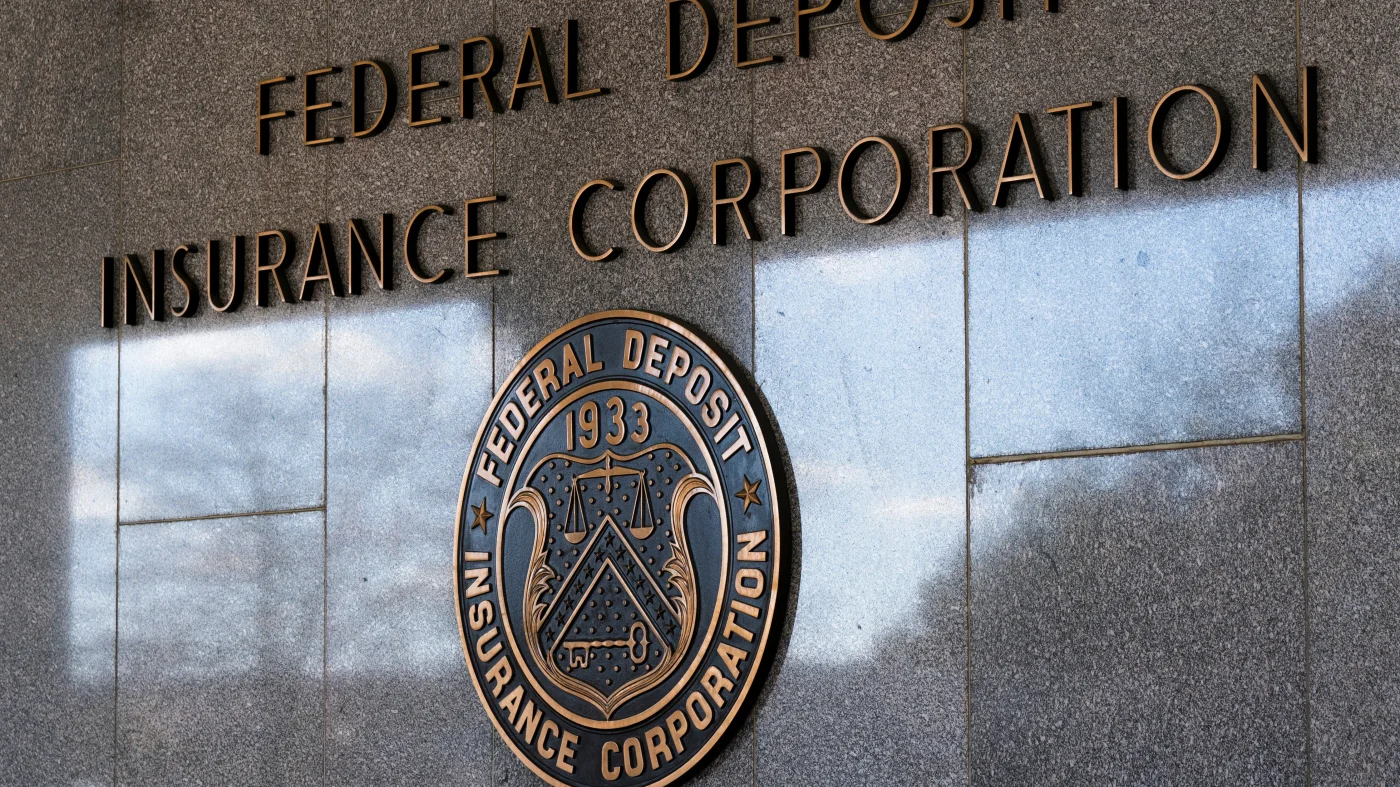
Federal regulators seized and closed Evansville, Indiana-based United Fidelity Bank on Friday, appointing the Federal Deposit Insurance Corporation (FDIC) as receiver. First Citizens Bank entered into an agreement to acquire substantially all of the failed institution's assets and deposits. This event marks the seventh U.S. bank failure in 2026 and the largest since April 2024.
The Office of the Comptroller of the Currency (OCC), an independent bureau within the Treasury Department, stated that it acted after determining United Fidelity was likely unable to meet its obligations or depositor demands. The bank reported $5.9 billion in total assets and $5.4 billion in total deposits as of September 30, 2026. The FDIC estimates the cost of the closure to the Deposit Insurance Fund, which secures bank deposits, will be $1.83 billion.
Under the transition, First Citizens Bank will take over 20 branches located across four states and two locations in the Virgin Islands. Frank B. Holding, Jr., chairman and CEO of First Citizens Bank, described the acquisition as "financially and strategically compelling." The FDIC advised customers to continue using existing branches and services until they receive notification that system changes are complete.
The scale of the failure is the most significant in over two years, surpassing the April 2024 closure of Republic First Bank, which held $6 billion in assets at the time of its failure. For the banking industry and the public, the $1.83 billion hit to the FDIC's Deposit Insurance Fund represents a significant draw on the collective pool of money funded by premiums paid by insured banks to protect the U.S. financial system. This is the seventh time this year that the fund has been utilized to manage a bank failure.
What happens next: Sen. Jim Banks (R-IN), a member of the Senate Banking Committee, stated on Saturday that he is scheduled to receive a briefing regarding the bank's failure on Monday. Customers of United Fidelity will receive direct communication from First Citizens Bank once the integration of accounts and systems is finalized. For now, the FDIC has instructed customers that they can continue to access their money through existing checks, ATMs, and debit cards until notified otherwise.