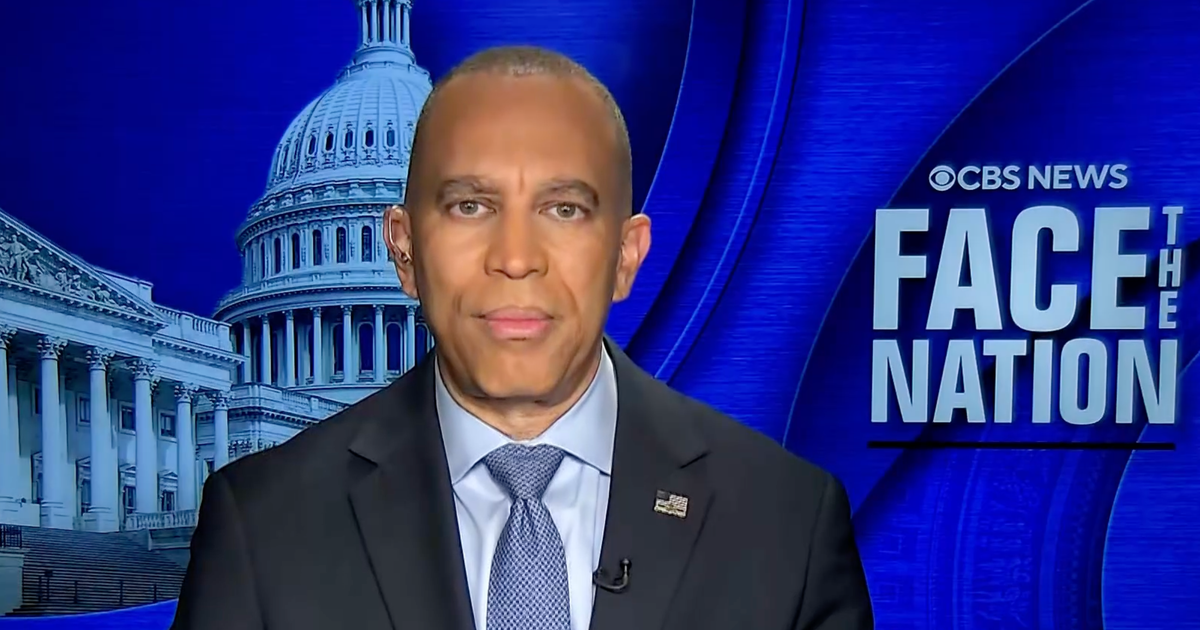
In a televised interview on Nov. 22, 2026, House Minority Leader Hakeem Jeffries (D-N.Y.) outlined House Democrats' legislative priorities, focusing on the cost of living and government accountability. Jeffries, the Speaker-designate, stated that House Democrats intend to move early in the new Congress to ban members of Congress from trading stocks. He cited exit polls showing 89% of voters prioritized the cost of living and 90% prioritized corruption as major factors in their decisions.
The interview addressed potential areas of cooperation and conflict with the president. Jeffries called for an end to the war in Iran, which he said has increased prices for gas, food, and diesel. He also proposed reversing Medicaid cuts, restoring SNAP (Supplemental Nutrition Assistance Program) benefits, and addressing tariffs that he stated have increased annual costs for Americans by thousands of dollars.
Regarding healthcare, Jeffries identified several areas for potential negotiation with the administration, including lowering the Medicare eligibility age and expanding coverage to include vision, hearing, and dental care. While President Trump stated in a recorded clip that he was "open to great healthcare" and could potentially reach a better agreement with Democrats than with Republicans, Jeffries noted that the two sides remain divided on the repeal of previous tax and spending legislation.
The proposed stock trading ban would affect members of the House. Jeffries linked this to a broader accountability agenda aimed at "unprecedented corruption," suggesting the move is a response to voter demand for ethical reform in Washington. If passed, the policy would change how federal lawmakers manage their personal finances, a shift that Rahm Emanuel suggested should also include mandatory blind trusts for those with over $1 million in wealth.
For millions of Americans, the "affordability agenda" described by Jeffries could result in changes to monthly household expenses. Jeffries noted that some families currently face health insurance premium increases of more than $1,000 per month, which he seeks to address by extending Affordable Care Act tax credits. Additionally, the proposal to reverse Medicaid cuts and restore SNAP benefits would affect households across the country, including in rural and urban communities.
The upcoming session will face fiscal hurdles, as the United States currently carries over $40 trillion in debt. Jeffries did not specify how the proposed healthcare expansions or benefit restorations would be funded, stating those conversations would occur with the administration and members of both parties. The new Congress is scheduled to convene in January, at which time the Speaker-designate will oversee a caucus that includes members who have sought commitments on an affordability agenda. What happens next depends on the formal start of the new Congress in January 2027.