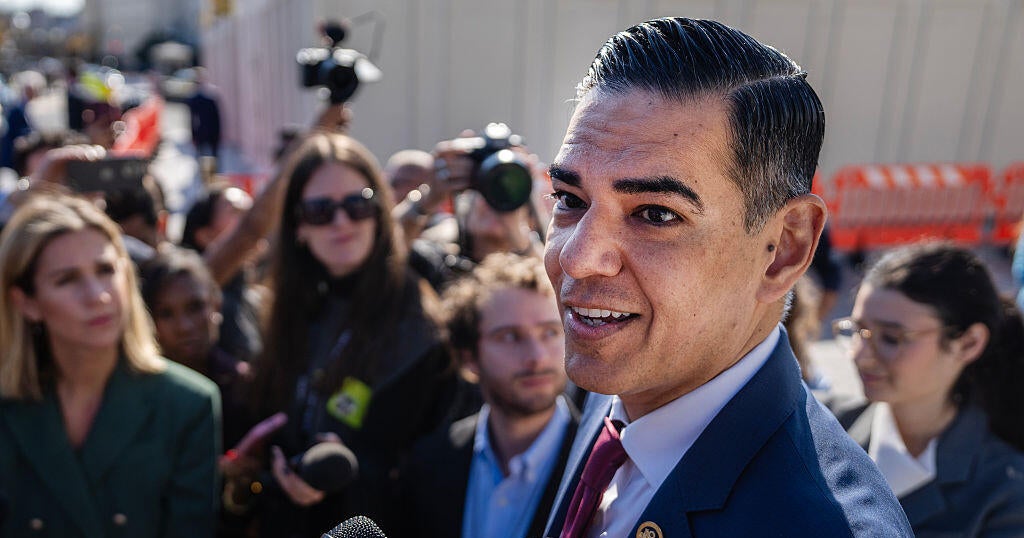
Rep. Robert Garcia (D-CA) sent letters to 12 individuals close to President Trump, instructing them to preserve documents for future investigations. Garcia, who is expected to chair the House Oversight and Government Reform Committee when Democrats take control of the House in January, stated that the inquiries will focus on alleged corruption, Department of Homeland Security (DHS) operations, and the handling of files related to Jeffrey Epstein.
The notices targeted members of the president's family, current and former administration officials, and business associates. This action precedes the 120th Congress, where Garcia said Democrats intend to ensure government accountability through legislative reform. The White House has indicated it will contest these probes, with White House counsel Will Scharf writing that the investigations must support a legitimate legislative purpose.
The letters to Donald Trump Jr. and Eric Trump involve investigations into the family's cryptocurrency business, World Liberty Financial, and alleged conflicts of interest. Garcia also requested information regarding a Russian oligarch's funding of Donald Trump Jr.'s post-wedding festivities. Jared Kushner received a notice regarding his business dealings and his past role as a U.S. negotiator, which Garcia said raised concerns about the use of government positions for personal profit.
Additional inquiries involve Vice President J.D. Vance, White House chief of staff Susie Wiles, Attorney General Todd Blanche, and Bureau of Prisons Director William Marshall concerning the release of Epstein-related files and the prison transfer of Ghislaine Maxwell. Letters to Stephen Miller, Kristi Noem, and Corey Lewandowski focused on immigration enforcement and allegations of corruption at the DHS. Other notices went to Kimberly Guilfoyle regarding her ambassadorship and Catherine Townsend concerning private donations for a new White House ballroom.
For the public, these probes represent a shift in how the House Oversight Committee functions, moving from a minority status to having full subpoena power in January. While ordinary citizens may not see an immediate change in their personal taxes or bills, the investigations seek to produce legislative reforms that Garcia said are intended to benefit all Americans by curbing "self-dealing" and "misconduct." The outcome of these inquiries could lead to new transparency requirements for federal officials and their family members' business interests.
The knock-on effects include a likely legal battle between the executive and legislative branches over the scope of congressional oversight. White House counsel Will Scharf has already challenged the legality of these probes, while U.S. Attorney Aaron Reitz has issued counter-notices to five Democrats to preserve their own documents. What happens next depends on the January transition, when Democrats officially take control of the House and gain the power to issue subpoenas, setting the stage for formal hearings and potential court dates.