A report by the UK-based rights organization ALQST states that migrant workers in Saudi Arabia continue to face wage theft and limited legal protection despite labor reforms introduced in 2025. The findings, based on surveys conducted between March and May 2026, suggest that employers are utilizing loopholes to bypass regulations intended to replace the previous sponsorship system.
In March 2025, Saudi authorities announced the overhaul of the Kafala system, which had tied a worker’s legal status to a single employer. This was replaced by a "contractual relationship improvement initiative" designed to allow workers more mobility. However, ALQST reports that workers still face significant financial and administrative barriers when attempting to change jobs or leave the country.
According to the survey, two-thirds of migrant workers reported going months without receiving wages. Additionally, 25% said they were falsely reported as absent from work, a designation that risks deportation. The report also highlights the continued practice of passport confiscation and the use of "sanad qabd"—vouchers workers are reportedly coerced into signing to acknowledge the receipt of funds they never actually received.
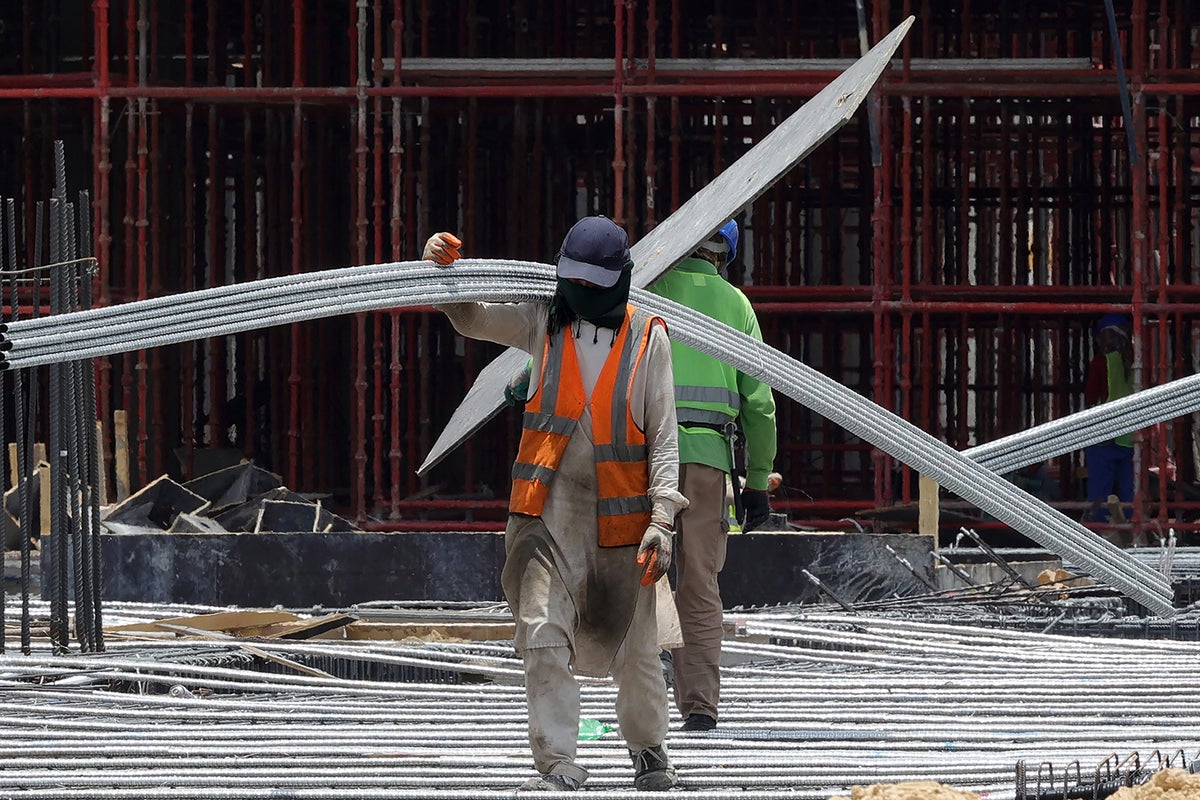
Migrant workers would notice the impact of these policies primarily in their paychecks and their legal right to travel. Those wishing to leave the country for vacation or at the end of a contract must pay a non-refundable $53 processing fee on a government portal. However, an employer can still object to the exit request, claiming the worker might not return. In the construction and service sectors, the report suggests workers face physical risks, as putting workers at risk is not a criminal offense. Some low-paid workers have reportedly had the cost of their own safety equipment deducted from their wages, while others live in overcrowded housing that fails to meet basic sanitation standards.
The report suggests that if these conditions persist, the perception of reform may draw more vulnerable workers to the country without providing the promised protections. This sets a precedent where administrative fines for discrimination or safety failures remain small and "weakly enforced," according to ALQST. Regarding next steps, the Saudi government has been contacted for comment on the findings. No specific dates for further legislative reviews or court challenges were reported, though the report highlights that workers who attempt to use labor courts, such as teacher Pearl Blignaut, have faced contract termination and difficulties securing exit visas during active litigation.