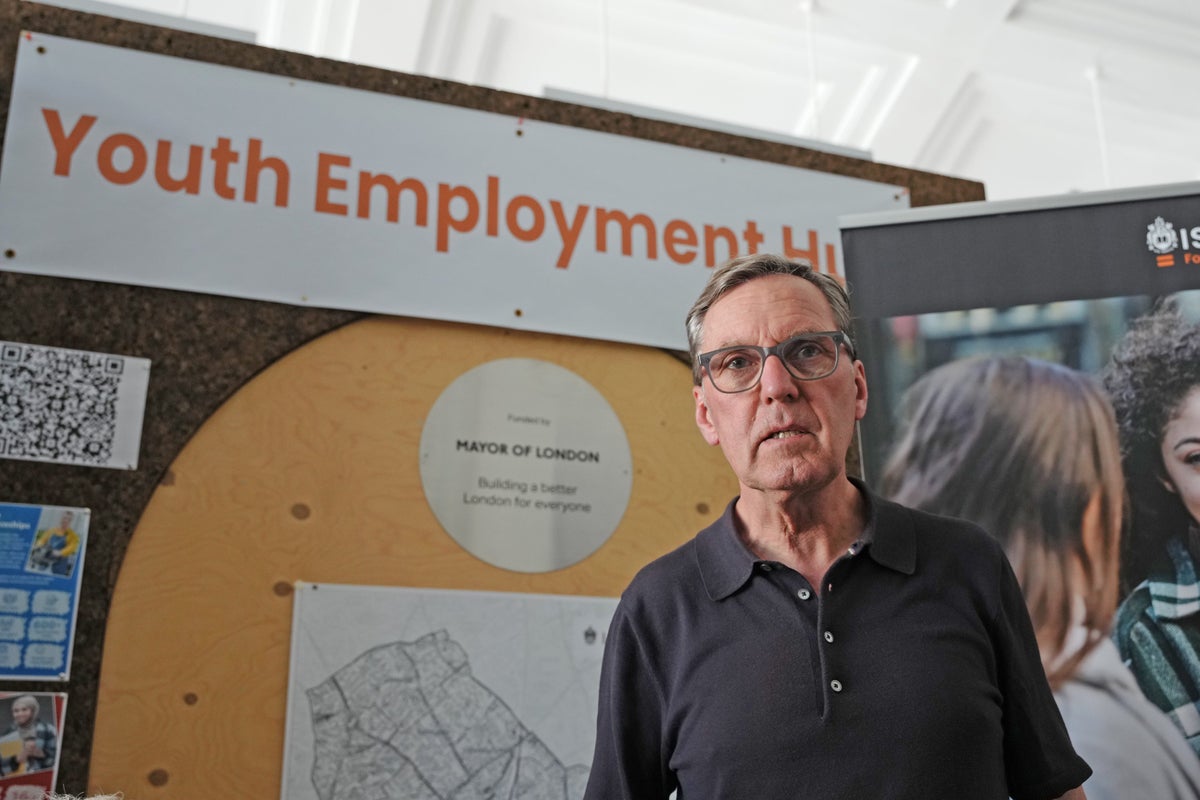
Alan Milburn, a former Labour health secretary, will release a report on Tuesday, November 17, 2026, calling for a "complete system reset" to address youth unemployment in the United Kingdom. The report proposes a national goal to reduce the rate of young people not in education, employment, or training (Neet) from 13% to around 5% by 2036. Prime Minister Andy Burnham stated that the government is prepared to "grasp the nettle" and reform the system, acknowledging that the status quo is not functioning effectively.
The proposal follows data showing the number of Neet young people exceeded or topped one million earlier in 2026, the highest level in over a decade. According to the report, the situation costs the UK approximately £125 billion annually due to factors including lost tax revenue and increased spending on health and welfare. Milburn warned that without intervention, the number of Neet individuals could reach 1.25 million by 2031, representing one in six young people.
Key recommendations include replacing the Personal Independence Payment (Pip) and health elements of Universal Credit (UC) for those under 25 with a new "youth allowance." The plan suggests a "legal guarantee" of work, training or employment support, where refusal could lead to a loss of benefits. Other measures include a gradual reduction in national insurance for businesses hiring workers under 25 in the retail and hospitality sectors, and doubling the number of young people completing apprenticeships over the decade.
The report advocates for the establishment of a "youth opportunity service" across England by 2029. This service would provide personalized participation plans and named advisers to help young people access health, employment, and practical support. Additionally, Milburn recommends faster access to mental health services for Neet individuals without requiring a diagnosis.
The proposed reforms would result in 600,000 more young people in education, employment or training each year. By 2036, the report estimates that 440,000 of these individuals would be in sustained work. For young people under 25 currently receiving disability or health-related welfare, the transition to a "youth allowance" represents a shift toward opportunity-based assistance. Milburn acknowledged this change would not be "pain-free" and could result in some individuals receiving less financial support.
Small business owners in the retail and hospitality sectors could see a reduction in their national insurance contributions. Apprenticeships would be positioned as a mainstream alternative to university. However, the heads of charities such as Citizens Advice and Nacro have stated that these changes must be implemented carefully to prevent pushing young people into poverty, particularly those with disabilities who rely on current benefits to cover extra living costs.
The next steps for these proposals depend on government adoption following the report’s publication on Tuesday, November 17, 2026. While Prime Minister Burnham has expressed a willingness to reform the system, specific legislative deadlines or vote dates for these recommendations have not been established. The report sets a target of 2036 for achieving the reduction in Neet rates, with the rollout of the youth opportunity service aimed for 2029.