The Plain Record

Neutral daily news — clear headlines, complete facts.

Politics

Reporter states Trump reacted to Chief of Staff’s illness before her replacement

New York Times reporter Maggie Haberman reported that Donald Trump’s relationship with Susie Wiles changed following her cancer diagnosis, citing his view of illness as weakness.

Published November 16, 2026 at 8:17 PM EST

The short answer

New York Times reporter Maggie Haberman reported that Donald Trump’s relationship with Susie Wiles changed following her cancer diagnosis, citing his view of illness as weakness.

Reporter states Trump reacted to Chief of Staff’s illness before her replacement

The Facts

Who
Donald Trump, Susie Wiles, Maggie Haberman, and Stephen Miller.
What
Reporting on the departure of Susie Wiles as White House Chief of Staff and the circumstances surrounding her relationship with Donald Trump.
When
Monday, November 16, 2026
Where
Washington, D.C.
Why
To explain the reported internal dynamics and health-related factors leading to a change in White House leadership.

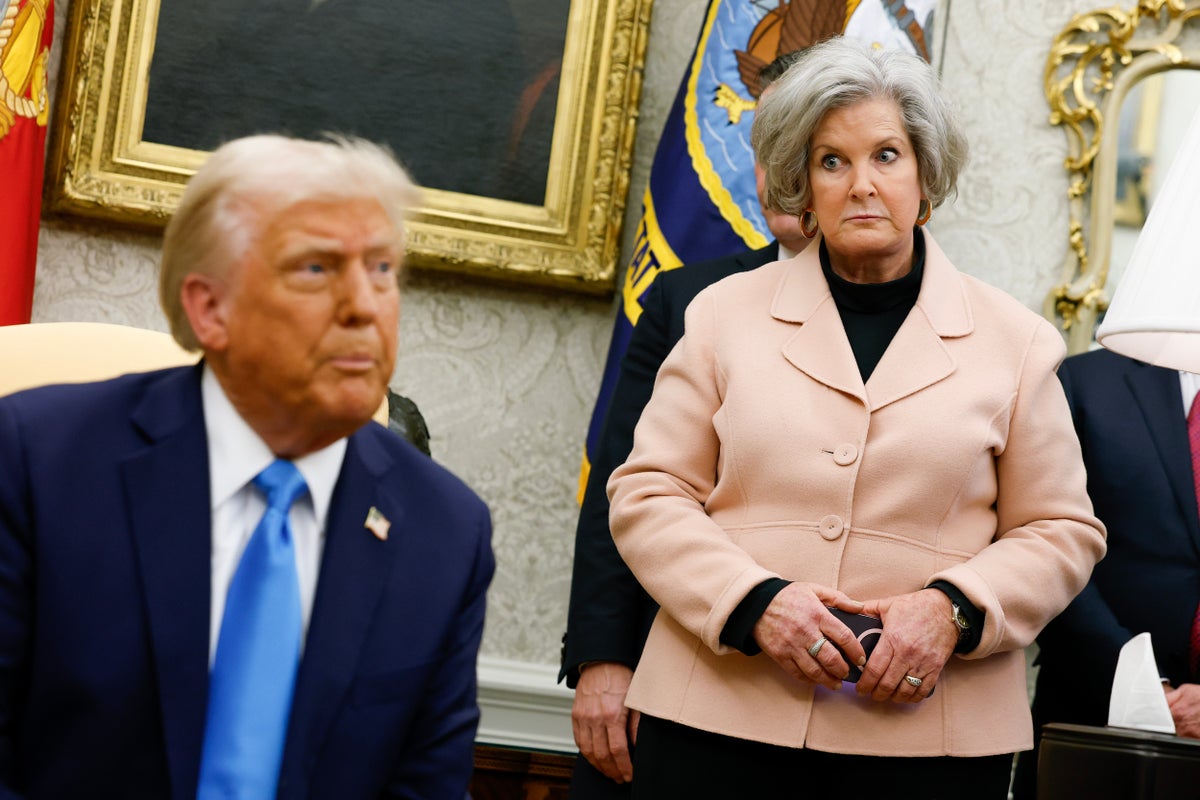
New York Times reporter Maggie Haberman stated on Monday, Nov. 16, 2026, that Donald Trump began "picking on" then-White House Chief of Staff Susie Wiles following her cancer diagnosis earlier that year. Speaking on the Raging Moderates podcast, Haberman said that Trump views illness as a sign of weakness, which accelerated a shift in their professional relationship.

Susie Wiles announced an early-stage breast cancer diagnosis in March 2026. While she attempted to work through her treatment, Haberman noted that her physical absence from the White House became more apparent. Wiles announced in mid-September 2026 that she was cancer-free, but her departure from the role followed the November 2026 midterm elections.

The leadership change occurred after the Republican party experienced losses in the midterms, described by the source as a "blue tsunami." Trump subsequently replaced Wiles with Stephen Miller. Haberman also addressed reports that a scandal involving Wiles’s daughter, Katie, and alleged influence-peddling at the lobbying firm Continental Strategy contributed to the exit, stating there were multiple factors involved.

The scale of this transition involves the highest levels of the U.S. government during a period following a national election. The change in personnel at the top of the White House hierarchy often leads to broader staffing shifts within the West Wing. A new Chief of Staff typically implements different management styles that can alter the speed at which executive orders are processed or how communications are handled between the White House and Congress.

The reported reasoning behind the professional friction—personal health challenges—highlights the internal dynamics for high-level political appointees. While Wiles is no longer the Chief of Staff, Haberman noted that former staffers often return to the administration in different capacities. Stephen Miller has assumed the role of Chief of Staff as of November 2026.

Timeline of what happened

Key dates and decisions, in the order they occurred.

  1. March 1, 2026

    Susie Wiles announces early-stage breast cancer diagnosis

  2. September 15, 2026

    Wiles announces she is cancer-free

  3. November 3, 2026

    Midterm elections held; GOP sustains losses

  4. November 16, 2026

    Maggie Haberman discusses Wiles's departure on podcast

Summaries are written by The Plain Record to state the facts of a story plainly and without political slant. Drafted with AI assistance and checked against the source record before publication. See how we report, or report a correction.

← Back to the front page

Questions readers ask

What happened: Reporter states Trump reacted to Chief of Staff’s illness before her replacement?

Reporting on the departure of Susie Wiles as White House Chief of Staff and the circumstances surrounding her relationship with Donald Trump.

Who is involved?

Donald Trump, Susie Wiles, Maggie Haberman, and Stephen Miller.

When did this happen?

Monday, November 16, 2026

Where did this happen?

Washington, D.C.

Why does this matter?

To explain the reported internal dynamics and health-related factors leading to a change in White House leadership.