Secretary of Homeland Security Markwayne Mullin has reportedly expressed regret over joining the Cabinet, according to a report published by the New York Post. Anonymous sources within the Department of Homeland Security (DHS) stated that Mullin has told others he wished he had remained in the U.S. Senate. While a DHS spokesperson told the Post these claims were "absurd and false," the report also cited anonymous White House officials who criticized Mullin's performance, with one official referring to him as a "terrible messenger" and an "idiot."
The reporting follows a period of administrative friction involving Mullin and other high-ranking officials. Mullin was appointed to lead DHS after the removal of Kristi Noem, who was dismissed following enforcement surges in Minnesota that resulted in the deaths of two Americans. Recently, Mullin has faced internal criticism regarding his handling of the administration's deportation agenda, including an instance where President Donald Trump overruled Mullin's directive to end most Immigration and Customs Enforcement (ICE) traffic stops.
Additional reports from The Washington Post and the New York Post indicated that White House staffers have reportedly participated in a betting pool regarding the length of Mullin's tenure. Tensions reportedly escalated following a Fox News appearance where Mullin attributed a nationwide ground stop for aircraft to "SI"—the administration's term for artificial intelligence—based on information from a single individual. Following this, White House Chief of Staff Stephen Miller reportedly placed Mullin in a "primetime timeout."
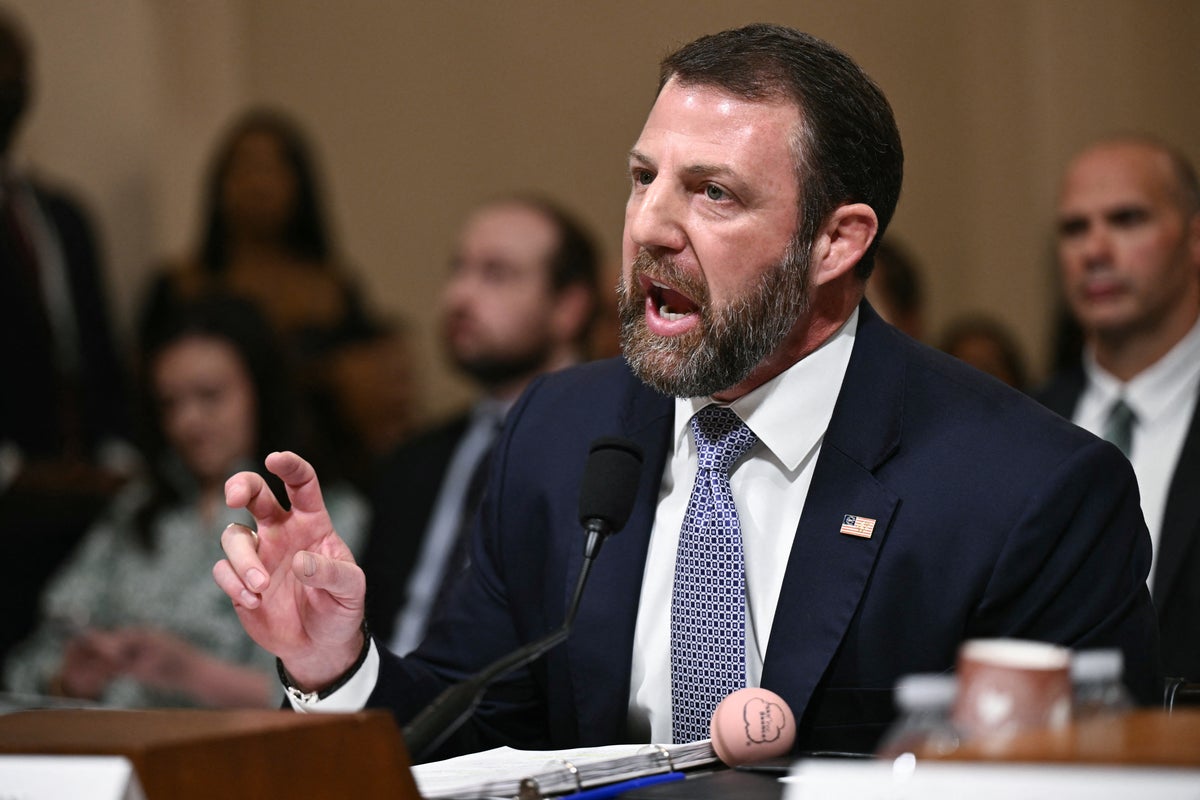
During a recent congressional hearing, Mullin defended a trip he took to an LSU-Texas football game during the aircraft ground stop. He testified that staying home would have caused "confusion" and "distrust" among Americans attempting to travel. While President Trump has publicly stated Mullin is doing a "good job," sources reported the president was dissatisfied with Mullin's testimony at the hearing.
The scale of this friction involves high-level coordination between the White House, DHS, and ICE. When Mullin’s directives, such as the order to cease most traffic stops, are issued and then immediately rescinded by the president, it creates a lack of clarity for federal law enforcement officers and the individuals they interact with daily. Such reversals can lead to inconsistent enforcement of federal law across different jurisdictions, potentially impacting both citizens and non-citizens.
Knock-on effects of these administrative tensions may influence future Senate confirmation hearings or the legislative oversight of DHS programs. The report of a betting pool among White House staffers suggests institutional uncertainty that could delay the execution of departmental goals. What happens next depends on whether President Trump maintains his public support for Mullin or decides to seek another leader for the department. No specific dates for a personnel change or further congressional hearings were reported.