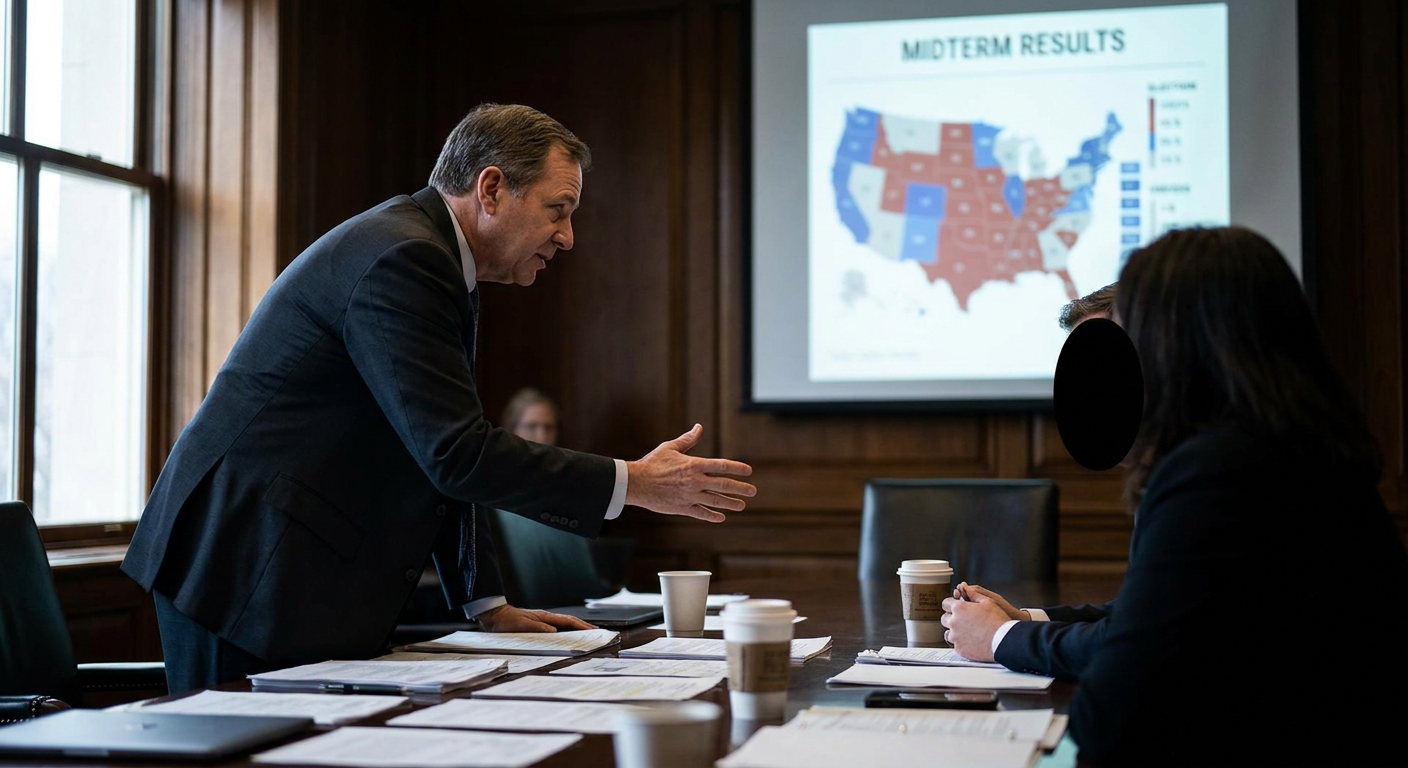
Republican consultant Hogan Gidley addressed the party’s performance following recent midterm elections that saw Democrats win seats in Republican strongholds from South Carolina to Kansas. In an interview with NPR, Gidley, a former White House Deputy Press Secretary, discussed shifts in the electorate after Hispanic and young voters moved away from the Republican party. The election results followed the 2025 inauguration of President Donald Trump, who Gidley said had previously expanded his coalition by appealing to those demographic groups.
Gidley attributed the loss of support among these groups to voter dissatisfaction with war and high prices. He stated that despite Republican policy efforts—including proposals for no taxes on tips, overtime, or Social Security, and doubling the child tax credit—economic concerns remained a primary driver for voters. Gidley also noted that the public's perception of the president as a "voice of the American people" has shifted, an issue he said the party will need to address.
Regarding the administration's internal strategy, Gidley commented on the elevation of Stephen Miller to White House chief of staff. Miller, who previously served as the architect of the administration's immigration policies, was described by Gidley as a choice for "continuity." Gidley stated that the administration expects to face significant opposition from Congress, including potential impeachment attempts, and that Miller is prepared for that environment.
For Hispanic households and young professionals, the outcome of this election and the subsequent Republican strategy will dictate the future of tax and labor policies. Specifically, the GOP’s previously stated goals of eliminating taxes on tips and overtime, alongside a doubled child tax credit, remain in a period of formulation as the party determines its next steps. These individuals would see direct changes in their take-home pay or tax refunds depending on whether the administration can successfully implement these measures while navigating a divided Congress.
The next two years will be defined by the administration’s response to these losses and its interaction with a newly empowered Democratic presence in Congress. Gidley stated that the Republican agenda is currently being reestablished and formulated. The timeline for new legislative proposals or specific changes to immigration enforcement remains unspecified, though Gidley indicated that current enforcement tactics would continue. Observers will look to the next legislative session to see if the administration adjusts its messaging or policy focus to regain the support of the demographic groups that moved away from the party in this cycle.