Researchers at the University of Maryland and local residents are implementing new technologies and community-based conservation efforts to address the depletion of oyster populations in the Chesapeake Bay. Mechanical engineer Miao Yu and her team are developing specialized robots, including the "Oysterbot," to map the seabed using sonar and artificial intelligence. The project aims to provide precise data to farmers on where to plant young oysters and when to harvest adults, addressing challenges caused by the bay's murky water.
The initiative follows a long-term decline in oyster stocks, which according to one estimate, fell by over 99% by 2011 due to overharvesting. While biologist Ryan Carnegie of the Virginia Institute of Marine Science reports a partial comeback due to improved management and restoration investments, fisheries oceanographer Elizabeth North notes that significant growth is still required. The decline has historically resulted in poorer water quality and the loss of essential habitats for other marine species.
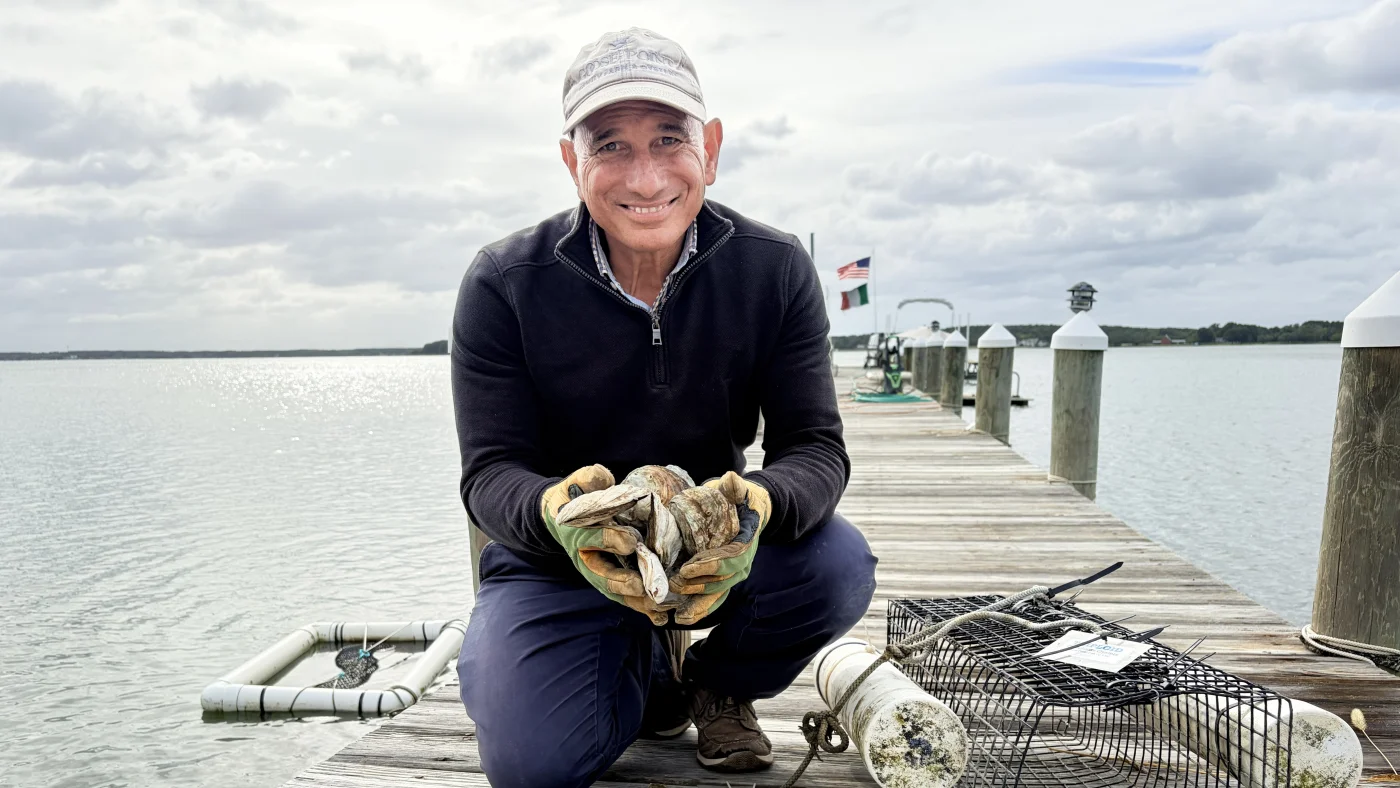
On a local level, resident John Consoli has established a "Peer to Pier Network" to encourage neighbors to grow oysters off their private docks. Consoli, a photographer who became interested in the project while documenting university research, has recruited approximately 80 participants to act as caretakers for the mollusks. In August, he collaborated with a local restaurant, Libbey's Coastal Kitchen, to plant one million baby oysters around their dock pilings to support the local ecosystem.
The scale of the intervention involves both small-scale dock setups and large-scale planting, such as the one million oysters placed at Libbey's Coastal Kitchen. If the University of Maryland’s robotic technology is successful, it could shift the industry from "guesswork into precision," potentially reducing the accidental suffocation of young oysters in mud and preventing the premature dredging of adult reefs. This could lead to more stable yields for the oyster farming industry, which has expanded recently despite challenges from disease and environmental factors.
What happens next: The research team at the University of Maryland is currently refining the AI algorithms used to analyze sonar images to determine the size and health of oyster beds. Yu stated that the goal is to scale this technology to coastlines nationwide, including Washington state and the Gulf coast, within the next decade. There is no specific date reported for when the "Oysterbot" technology will be commercially available for general use by farmers.