The Plain Record

Neutral daily news — clear headlines, complete facts.

National

Researchers Identify Previously Undetected North Atlantic Right Whale Calf

Scientists identified a North Atlantic right whale calf in Canadian waters that went undetected during previous U.S. surveys, bringing the season's birth count to 24.

Background: The Electoral College, explained: how the United States actually elects a president

Published November 6, 2026 at 12:59 PM EST

The short answer

Scientists identified a North Atlantic right whale calf in Canadian waters that went undetected during previous U.S. surveys, bringing the season's birth count to 24.

Researchers Identify Previously Undetected North Atlantic Right Whale Calf

The Facts

Who
Mingan Island Cetacean Study and New England Aquarium researchers
What
Identification of a previously undocumented North Atlantic right whale calf.
When
September 2026 (spotted); November 6, 2026 (reported)
Where
Anticosti Island, Quebec, Canada
Why
The discovery increases the season's birth count to 24, the highest since 2009, for a species with only 380 remaining individuals.

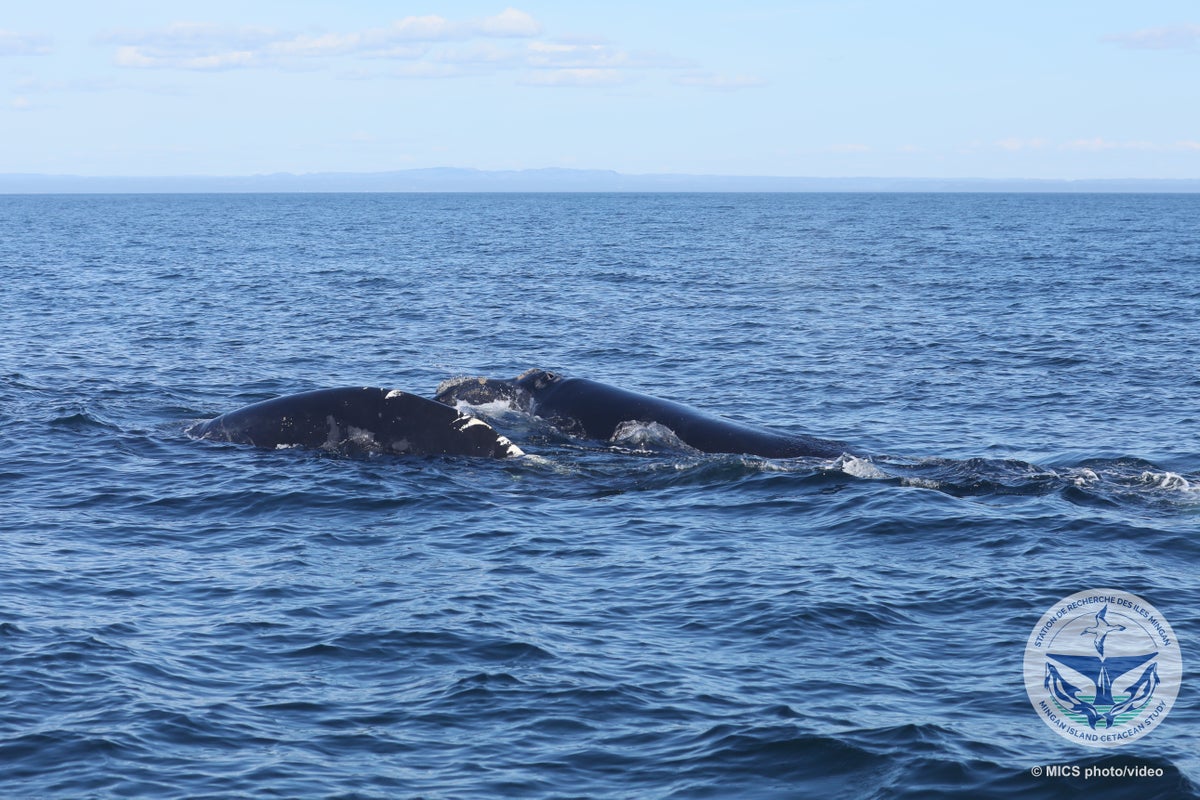
Researchers in Canada identified a previously undocumented North Atlantic right whale calf off Anticosti Island, Quebec, in September 2026. The calf was photographed by the Mingan Island Cetacean Study, a non-profit organization, alongside its 38-year-old mother, a whale known to scientists as Silt. The New England Aquarium in Boston analyzed the data to confirm the calf had not been recorded during earlier seasonal surveys.

North Atlantic right whales typically migrate to calving grounds off the southeastern United States during the winter months. According to Amy Warren, a scientist at the New England Aquarium’s Anderson Cabot Center, Silt was observed in the southeastern U.S. in February 2026, but the mother and calf were not documented together at that time. The discovery was reported on November 6, 2026, after the pair moved north to Canadian waters to feed.

The addition of this calf brings the total number of newborns for the most recent birthing season to 24. This represents the highest number of births for the species since 2009 and the fourth-highest count on record. Scientists monitor these births closely because the global population of the species is estimated at approximately 380 individuals, including only about 70 reproductive-age females.

For stakeholders in the shipping and fishing industries, the presence and movement of these whales are tied to regulatory decisions. The whales are susceptible to ship strikes and entanglement in fishing gear, and their shifting migration patterns due to ocean warming have moved them outside of some previously established protected zones. While conservationists have criticized U.S. government decisions to delay new species protections for a decade to support commercial fishing interests, birth rates could influence future policy discussions regarding these protected areas and gear requirements.

The confirmation of this calf highlights the challenges of monitoring marine life across vast migratory routes. Despite aerial and boat surveys conducted throughout the spring and summer along the U.S. East Coast, the animal went undetected for months. The next phase of monitoring will involve continued photographic cataloging to track the calf's survival. The species remains under close observation as scientists wait to see if the recent slight rebound in birth numbers since 2020 will continue.

Timeline of what happened

Key dates and decisions, in the order they occurred.

  1. January 1, 2018

    Zero births recorded for the species

  2. February 1, 2026

    Mother whale Silt observed in southeastern U.S. calving grounds

  3. September 1, 2026

    Calf photographed off Anticosti Island, Quebec

  4. November 6, 2026

    New England Aquarium reports findings confirming the 24th calf of the season

Summaries are written by The Plain Record to state the facts of a story plainly and without political slant. Drafted with AI assistance and checked against the source record before publication. See how we report, or report a correction.

← Back to the front page

Questions readers ask

What happened: Researchers Identify Previously Undetected North Atlantic Right Whale Calf?

Researchers in Canada identified a previously undocumented North Atlantic right whale calf off Anticosti Island, Quebec, in September 2026. The calf was photographed by the Mingan Island Cetacean Study, a non-profit organization, alongside its 38-year-old mother, a whale known to scientists as Silt.

Who is involved?

Mingan Island Cetacean Study and New England Aquarium researchers

When did this happen?

September 2026 (spotted); November 6, 2026 (reported)

Where did this happen?

Anticosti Island, Quebec, Canada

Why does this matter?

The discovery increases the season's birth count to 24, the highest since 2009, for a species with only 380 remaining individuals.