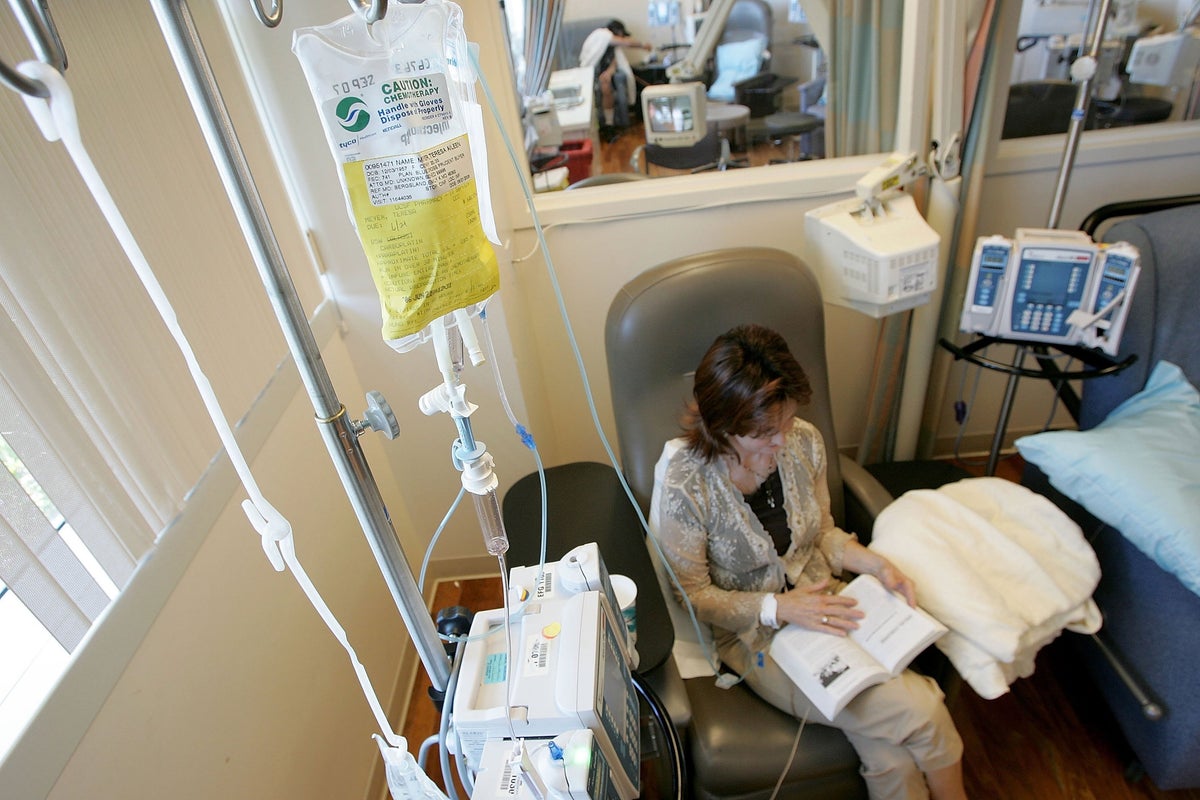
Health researchers have identified an increase in bladder cancer diagnoses among women under the age of 50, according to data from the Cleveland Clinic. While overall bladder cancer rates in the United States have declined since 2000, research published in July indicates that rates are rising in younger women. Dr. Laura Bukavina, a urologic oncologist at the Cleveland Clinic, stated in November 2026 that 30 percent of all bladder cancers are now in females, and that a currently unknown pathology may be driving the trend among younger women.
The research analyzed data from TriNetX, a database containing records from 250 million patients between 2011 and 2023. While the American Cancer Society (ACS) expects 84,530 diagnoses and 17,870 deaths from bladder cancer this year, the increase specifically among younger women has not been observed in men or in individuals over age 55. Dr. Lucy Hooper of Coyne Medical noted that other population registries have not consistently shown this pattern, with some data suggesting rates in younger women have actually decreased.
Specialists suggest that the later-stage diagnoses often seen in women may be due to symptoms being mistaken for urinary tract infections (UTIs) or uterine fibroids. Meri-Margaret Deoudes, CEO of the Bladder Cancer Advocacy Network, reported that patients may ignore blood in the urine or associate it with menstruation or menopause. Other symptoms identified by health experts include increased frequency of urination, a sense of urgency, or painful burning sensations. Dr. Kyle Hoedebecke, a clinical advisor at Care Point Boston, advised that even a single instance of blood in the urine should be reported to a physician.
While smoking remains the primary risk factor—increasing the likelihood of the disease by three times—Bukavina stated that the recent uptick does not appear to be linked to smoking or genetics. Instead, she noted a possible tie to air and water pollution, including microplastics. A 2024 review by Bond University found microplastics in bladder cancer samples, noting that these particles caused toxicity and inflammation in urinary tract cells. Research from Columbia University and the University of California, Berkeley, has also characterized microplastics as chemically active and biologically harmful.
Individuals may notice changes in their health through symptoms like blood in the urine or changes in urinary urgency. Delaying medical consultation can lead to later-stage diagnoses, which are more difficult to treat. Prevention recommendations include staying hydrated to flush chemicals from the bladder and avoiding exposure to industrial chemicals found in textiles, rubber, and leather, as well as aromatic amines in dyes and arsenic in drinking water. Experts also suggest being mindful of microplastic exposure, such as those found in bottled water, though the direct causal link to cancer is still under investigation.
The findings establish a precedent for further investigation into environmental factors rather than traditional risk factors like smoking. The next steps for the medical community involve reconciling the TriNetX findings with other registries that show differing trends. Patients are advised by oncologists like Dr. Stephanie Berg to be vigilant about symptoms that mimic less serious conditions. Policy discussions regarding cleaner emissions and microplastic reduction may also follow as researchers work to determine if environmental pollutants are the definitive cause of the rise in cases.