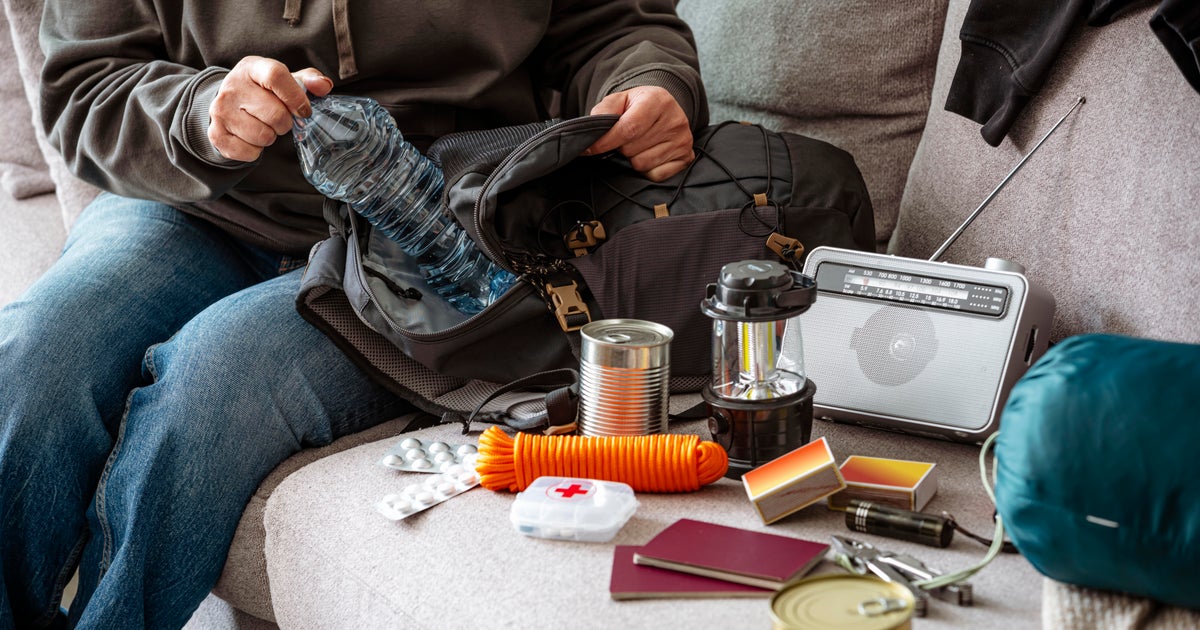
Retail analysts and businesses report that a series of recent technology failures has led to an increase in consumer purchases of emergency preparedness supplies. Shoppers at retailers including Walmart, Costco, and Tractor Supply have increased buying of items such as generators, canned goods, and bottled water. Analysts from RBC Capital Markets and Mizuho Securities stated that these purchasing trends, sometimes referred to as "prepping," are moving from a niche behavior into more mainstream consumer activity.
The shift follows several technical incidents involving online banking platforms, the Federal Aviation Administration's (FAA) air traffic control system, and the National Security Agency (NSA). Government officials have stated these events were unrelated. Secretary of State Marco Rubio said during a news conference in the Philippines that the incidents, including a Microsoft outage and the FAA ground stoppage, were "completely unrelated one from another" and not the result of cyberattacks.
According to data from the research firm Circana and RBC Capital Markets, sales for specific emergency staples rose during the four weeks ending November 1. Sales of water germicidal tablets increased by 154% compared to the same period the previous year. Additionally, sales of disinfecting wipes rose by 72%, and moist towelette sales increased by 20%. RBC Capital Markets analyst Steven Shemesh noted that while these sales are noticeable, they are not yet large enough to significantly alter the financial performance of a company the size of Walmart; Shemesh noted that for a company of that scale, behavior would need to escalate to a higher level to "move the needle."
Mizuho Securities reported that Costco experienced a surge in "pantry-loading" and a depletion of high-ticket generator inventory, which was listed as sold out online as of a recent Sunday night. Tractor Supply also confirmed increased demand for liquid storage tanks, propane, and accessory tanks compared to the previous year. Analysts attributed some of the consumer anxiety to social media reports, including a misinterpreted Pentagon military readiness initiative from late September that was described online as an impending blackout.
The day-to-day change for some consumers is a transition toward "pantry-loading," where individuals spend more upfront to secure food and utility backups in anticipation of potential infrastructure failures. This behavior can lead to temporary shortages of specific goods on store shelves. The effects reach beyond the grocery aisle, impacting the supply chains for specialized equipment like generators and liquid storage tanks. If the trend continues, it may influence how retailers manage inventory during periods of perceived instability or technical volatility.
What happens next depends on the stability of infrastructure and the frequency of future technical outages. Retailers are monitoring whether this increase in sales escalates to a level that would more significantly impact corporate earnings. While the government has stated that the recent Microsoft, FAA, and banking outages were unrelated technical issues, analysts indicate that consumer sentiment remains tied to the reliability of these systems. No specific deadlines or upcoming votes were reported.