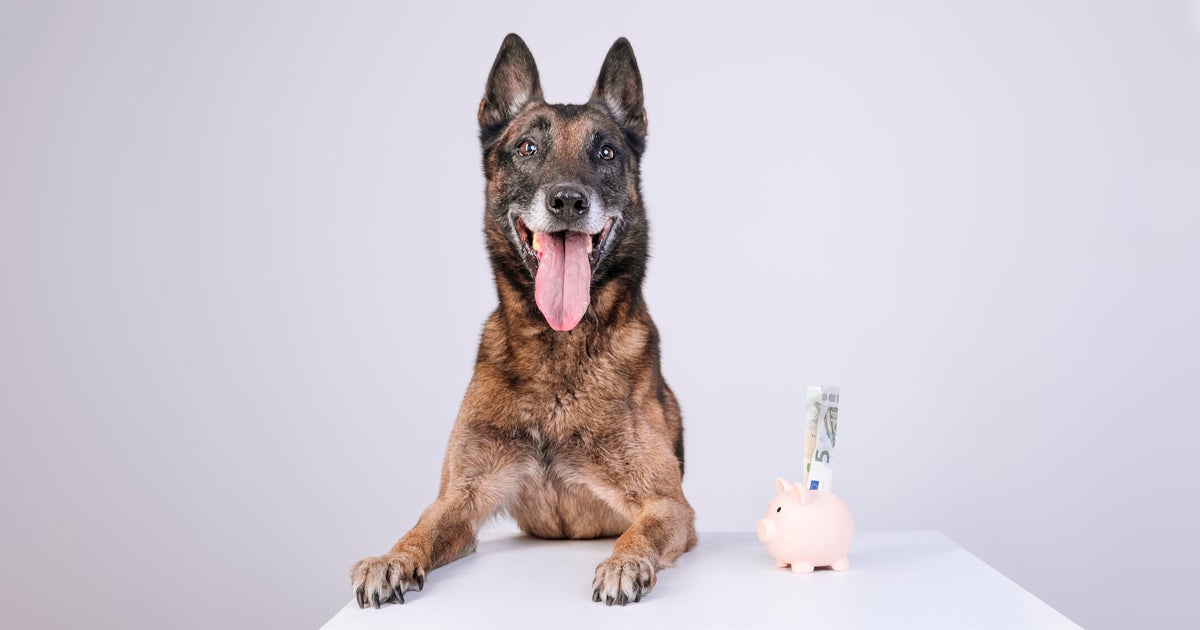
Pet insurance policyholders are experiencing premium increases during renewal periods, even in cases where no large claims were filed. These cost adjustments are attributed to rising expenses in veterinary care, which now includes advanced diagnostics and specialty treatments. Insurers also determine premiums based on a pet's age, the owner's location, and the company's overall claims experience.
Industry analysis suggests that while premium increases may prompt owners to shop for new providers, switching companies involves specific risks related to coverage. New pet policies typically exclude pre-existing conditions. A condition developed under a current policy may be covered by the existing insurer, but it would likely be considered pre-existing and excluded if the owner moves to a different provider.
Additional differences between policies include varying deductibles, reimbursement percentages, and annual coverage limits. For example, a lower premium might be offset by a $1,000 deductible compared to a $500 one, or a reimbursement rate of 70% instead of 90%. New policies also frequently impose waiting periods for illnesses, accidents, or orthopedic conditions, which can create a temporary gap in coverage for the pet owner.
The day-to-day change for pet owners involves financial planning during renewal cycles. Owners of older pets or those with chronic health issues face a higher risk when switching, as they may lose access to benefits for existing conditions. Those with younger, healthy pets may find more flexibility to switch providers to lower their bills without sacrificing coverage, though they still face new waiting periods where no claims can be made.
The knock-on effects include a greater reliance on policy adjustments within current providers, such as raising deductibles or lowering reimbursement caps to manage costs. What happens next depends on individual renewal dates. Owners are advised to review their policy renewal notices, check for new exclusions such as dental or behavioral treatments, and compare quotes using identical coverage settings before canceling existing protections. No specific industry-wide deadline or government action was reported.