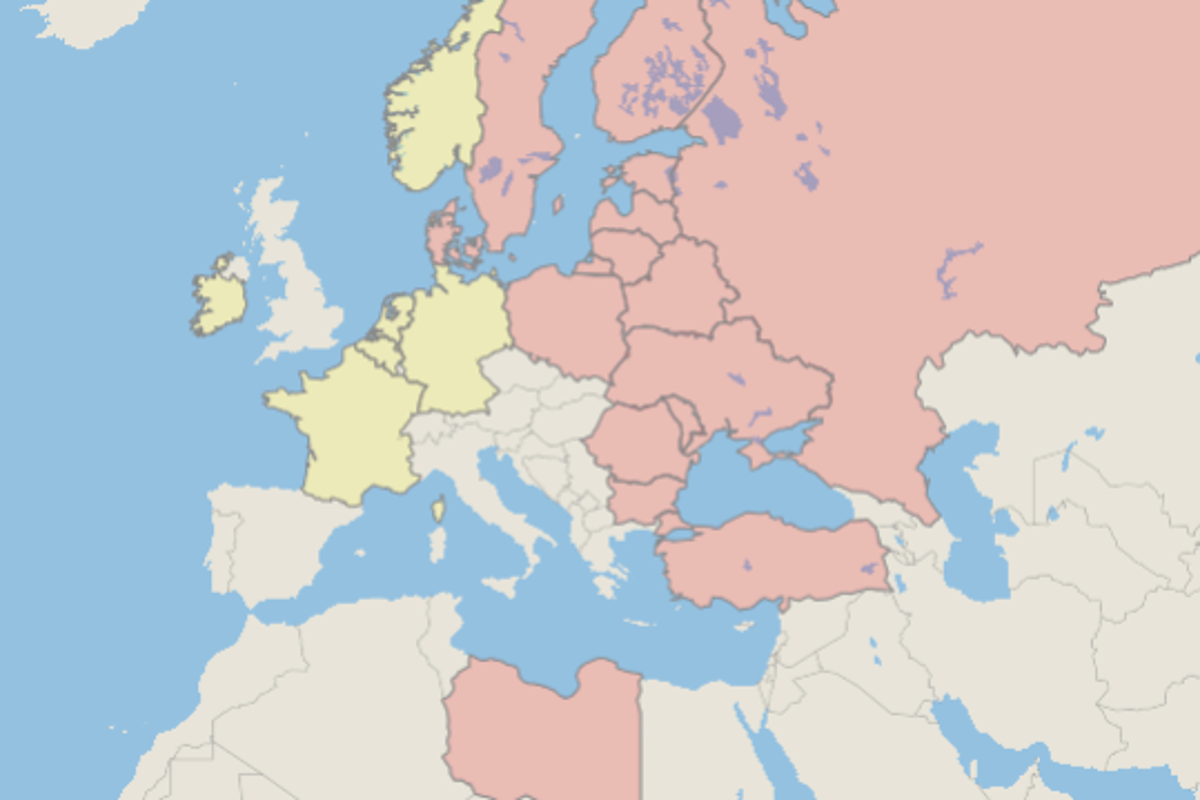
Conflict between Russia and Ukraine has expanded to involve more than 20 countries through reported missile incursions, drone sightings, and military strikes across Europe and Africa. Polish investigators reported on Friday, Nov. 27, 2026, that three Russian cruise missiles struck locations in southeastern Poland, an event Prime Minister Donald Tusk described as an intentional provocation. Following recent incidents, Donald Trump and NATO Secretary General Mark Rutte issued a statement after meeting in Florida, emphasizing the importance of both nations avoiding actions that expand the war and the need for a peaceful resolution.
The scale of airspace violations by Russian forces has increased in recent years. Analysis from Frederic Lemieux, a professor at Georgetown University, indicates that Russian violations of NATO airspace more than quadrupled between 2024 and 2026. Frequent incidents have been reported in the Baltic region and countries bordering Ukraine, including a drone interception in Latvian airspace on Friday, Nov. 27. In September 2025, Estonia invoked NATO’s Article 4 after three Russian fighter jets entered its airspace for 12 minutes.
A series of unexplained drone sightings also affected Western Europe in late 2026. Between September and November, drones were reported near airports and military installations in Denmark, Norway, Sweden, Germany, Belgium, the Netherlands, Ireland, and France. On Oct. 2, 2026, drone activity at Munich airport resulted in the suspension of flights for several hours, grounding 17 planes and affecting 3,000 passengers. While Danish police characterized the actors behind some incursions as capable, no official confirmation has linked all these specific sightings to the Russian military.
The conflict has also manifested in Africa through military strikes and support for regional factions. On Sunday, Nov. 22, 2026, a Ukrainian naval drone strike targeted a Russian warship at the Benghazi Naval Base in Libya. Libyan authorities confirmed on Tuesday, Nov. 24, that two naval officers died from injuries sustained in the attack. While Ukrainian President Volodymyr Zelensky claimed the vessel was sunk, Libyan officials stated the £150 million ship was heavily damaged. Additionally, reports indicate Ukrainian specialists have supported rebels in northern Mali, while Russian forces utilize Libya as a staging ground for operations in Sudan.
The scale of these events is measured in both geographic reach and financial costs. More than 20 countries are now linked to the hostilities, and individual incidents carry significant price tags, such as the £150 million (approximately $190 million) Russian warship damaged in Libya. The frequency of NATO airspace violations quadrupled over a two-year period, representing a shift in the daily operational tempo for air defense units across the continent. These incidents are viewed by some analysts as "hybrid" warfare, where non-traditional tactics like drone incursions near civilian infrastructure create disruption.
The knock-on effects include changes to international shipping and regional stability in Africa. In November 2025, a ship operator in Senegal announced it would cease handling Russian business following blasts on a vessel, citing security risks. Looking ahead, NATO and international leaders are focused on preventing further expansion. A peaceful resolution is the stated goal of the recent Trump-Rutte meeting, though the Libyan National Army has vowed to retaliate for recent strikes, and investigative results regarding drone sightings in Western Europe remain pending.