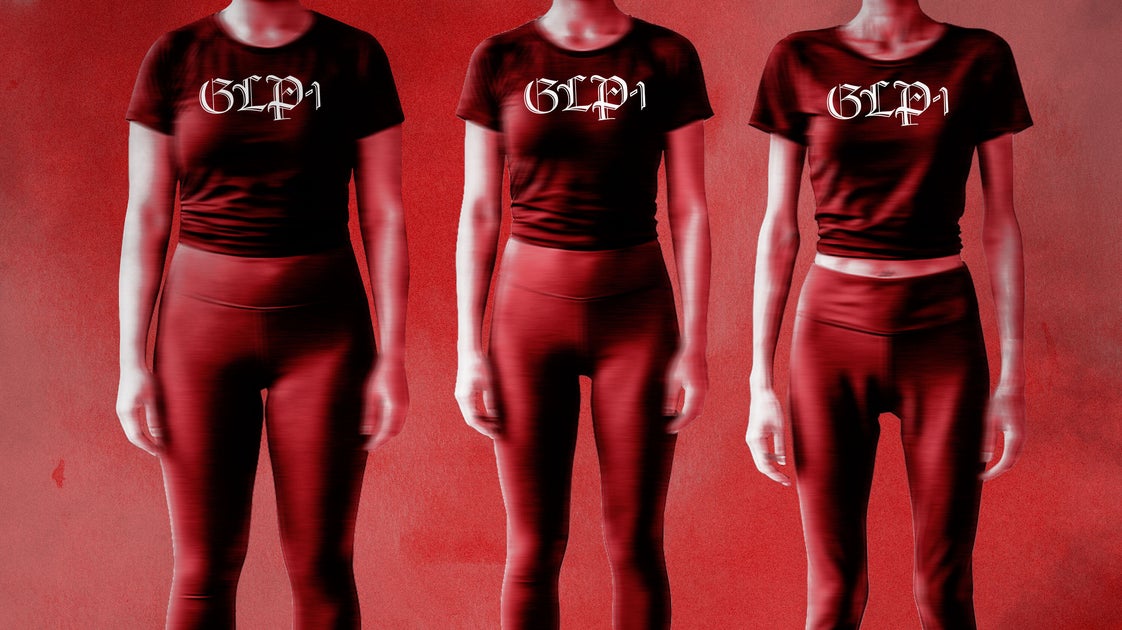
Sociologists and cultural critics are debating the re-emergence of thinness as a dominant beauty standard and its potential ties to political and economic systems. The discussion follows the increased visibility of GLP-1 medications, such as Ozempic and Wegovy, which have contributed to an "ultra-thin" aesthetic in popular culture. Some observers, including actor Hannah Einbinder, have suggested a correlation between rising authoritarianism and a societal emphasis on women occupying less physical space.
The term "body fascism" was originally coined by Brian Pronger, a late professor at the University of Toronto. Pronger argued that Western beauty ideals often transform physical fitness into a system of discipline and conformity rather than a pursuit of health. Under this framework, a thin and toned physique is framed as a sign of moral virtue and loyalty to the state, while bodies that do not meet these standards are viewed as inferior or disloyal.
Scholars note historical precedents for this concept, such as the 1930s Nazi Germany movement that promoted fitness as a reflection of "Aryan" superiority and the "Italian Superman" archetype under Mussolini. Paula D. Atkinson, a psychotherapist and former professor at George Washington University, stated that body fascism often treats the body as a project of dominance over nature to serve a state's agenda. Conversely, Laurie Essig, a professor at Middlebury College, attributes the current trend to "beauty capitalism," where standards of thinness shift based on what products—such as fitness routines or cosmetic procedures—are being sold.
For the individual, this trend manifests as increased spending on medications, cosmetic procedures, and fitness programs. A person may notice a change in their social environment where food is moralized as "good" or "bad" and body size is treated as a metric of self-discipline. Critics like Atkinson suggest these pressures often peak for women post-menopause, a time when they are historically least likely to be controlled. Additionally, cultural critic Da’Shaun Harrison noted that these standards frequently marginalize Black, disabled, and gender-nonconforming individuals by prioritizing Eurocentric physical ideals.
The knock-on effects of these beauty standards include the potential for internalized misogyny, where individuals begin to socially police one another's appearances. This creates a self-enforcing system that does not require explicit state intervention to maintain. While social media is cited as a source of these pressures, Petrzela argued it also offers a "democratic" counter-movement by allowing a variety of body types to be celebrated. What happens next depends on market shifts in beauty capitalism and political trends; no specific legislative deadlines or court dates regarding these social standards were reported.